Crypto vs Traditional Banking: What Really Changes When You Switch
When you compare crypto, a decentralized digital asset system built on blockchain technology. Also known as cryptocurrency, it lets people send value without banks acting as middlemen to traditional banking, a centralized system where financial institutions control accounts, approvals, and access to money. Also known as legacy finance, it’s the system most people grew up with, you’re not just swapping apps—you’re changing who has power over your money. Banks lock you in with hours, fees, and approvals. Crypto gives you direct control, but with no safety net if you mess up. There’s no customer service line to call when you send funds to the wrong address.
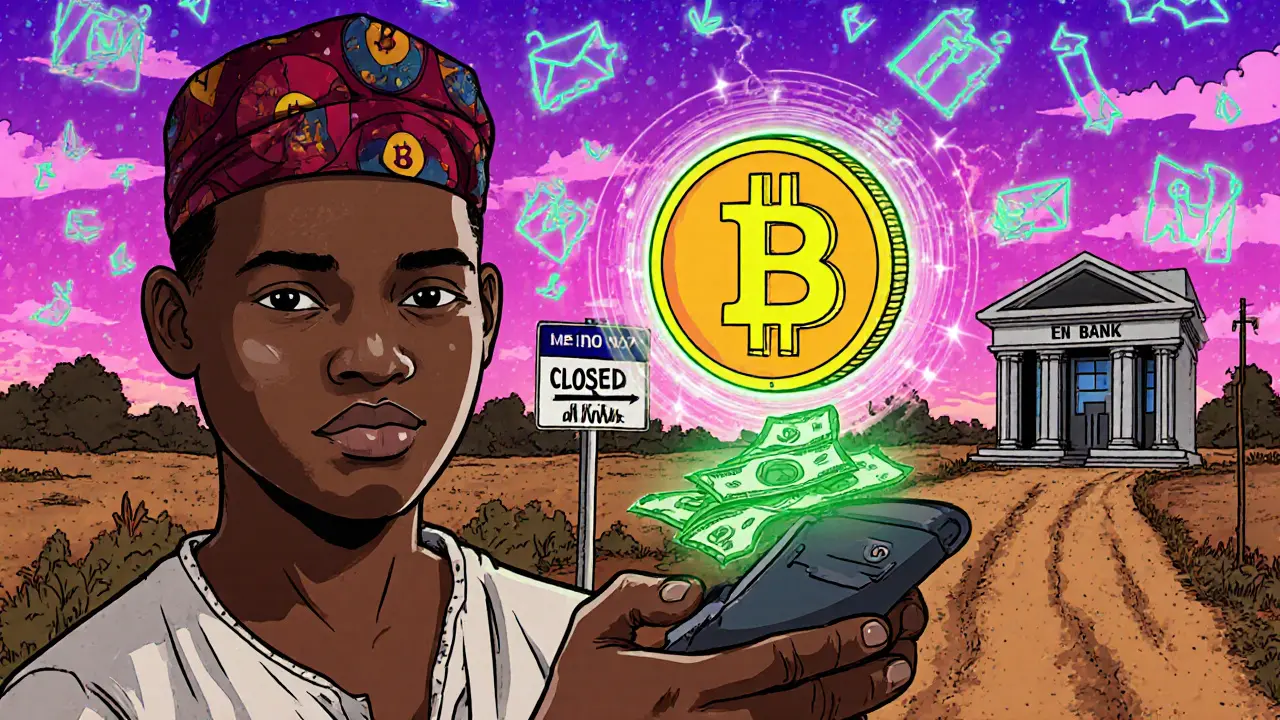
The real difference shows up in three places: speed, access, and cost. Sending money across borders with a bank can take days and cost $50. With crypto, it’s often under 10 minutes and under a dollar—even for $10,000. That’s why people in Nigeria, Bangladesh, and Venezuela use crypto not because they hate banks, but because their banks won’t let them move money freely. And it’s not just about sending cash. DeFi, a system of open financial apps running on blockchains that replace banks with code. Also known as decentralized finance, it lets you lend, borrow, or earn interest without applying for a loan turns your crypto into a savings account you control. No credit checks. No minimum balances. No hidden fees. But if the app breaks, or you lose your key, you’re out of luck. No one’s coming to fix it.
Traditional banking still wins on trust and legal protection. If your bank account gets hacked, they refund you. If your crypto wallet gets drained, you’re out of luck. Banks are regulated, insured, and backed by governments. Crypto? Most of it isn’t. That’s why countries like Vietnam and Indonesia allow trading but ban crypto as payment—they’re trying to have the benefits without the risks. And that’s the tension right now: crypto offers freedom, but freedom without rules can be dangerous. The posts below show you exactly how this plays out: fake exchanges pretending to be real, countries banning or licensing crypto, airdrops that vanish overnight, and DeFi platforms that collapse without warning. You’ll see real cases where people lost everything—and others who made smarter moves. This isn’t theory. It’s what’s happening now. And if you’re thinking about moving away from banks, you need to know what you’re getting into.