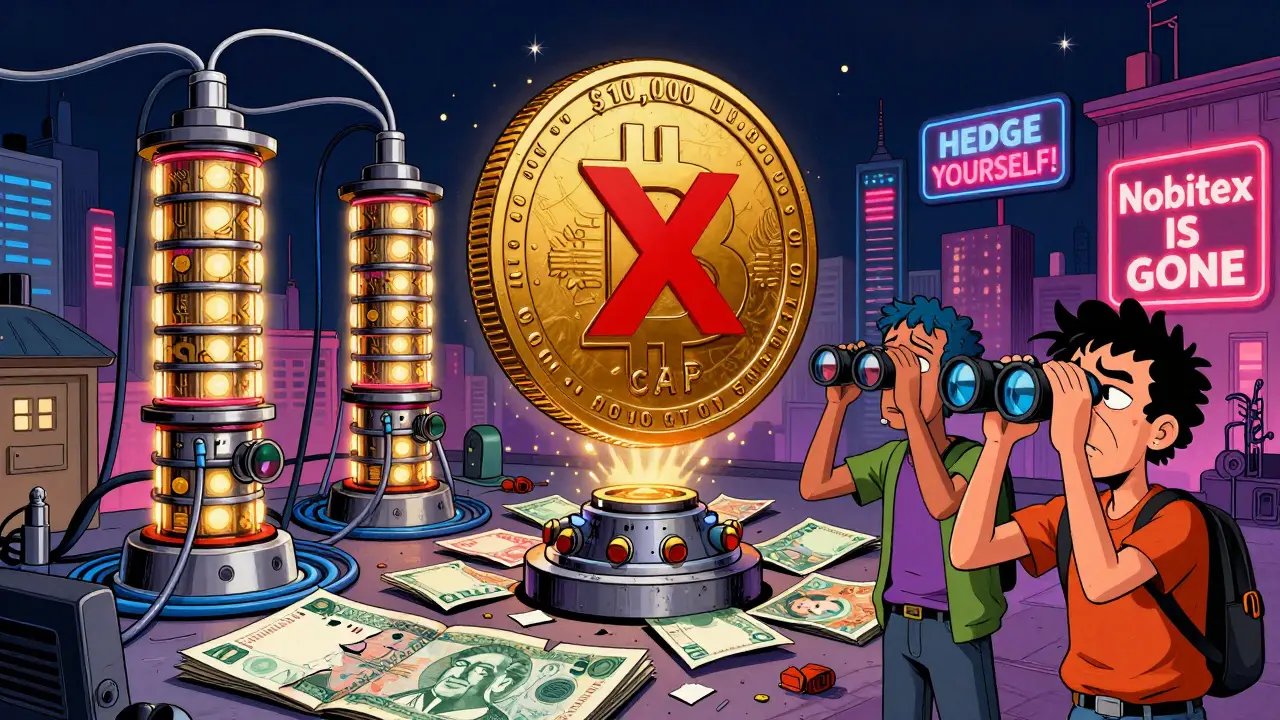
Iran has one of the strangest crypto policies in the world: it lets you mine Bitcoin but blocks you from buying it. If you live in Iran, you can’t use your Iranian rial to trade crypto on local platforms. You can’t even advertise crypto. And if you hold more than $10,000 in stablecoins, the government says you have to sell the excess - or risk losing it.
Why Iran Banned Crypto Payments (But Not Mining)
Iran’s economy has been under heavy sanctions for years. The rial has lost over 90% of its value since 2018. People don’t trust their own currency. So they turn to crypto - especially USDT, the tethered stablecoin pegged to the U.S. dollar. It’s not a choice. It’s survival.But the government doesn’t want people escaping the rial. So instead of banning crypto outright, it created a twisted system: mine all you want, but don’t trade.
Iran is now one of the top five Bitcoin mining countries in the world, producing nearly $1 billion in Bitcoin annually. That’s about 4.5% of global mining output. Why? Because electricity is dirt cheap, and the state takes a cut. Mining rigs run on state-subsidized power. The government gets revenue, and foreign miners (or state-linked entities) get Bitcoin.
But for ordinary Iranians? No direct access. In December 2024, the Central Bank of Iran shut down every website that let you buy crypto with rials. No more Nobitex, no more local exchanges. You can’t deposit rials. You can’t withdraw rials. The only way in or out is through unofficial channels - and even those are getting riskier.
The $5,000 Stablecoin Cap: What It Really Means
On September 27, 2025, Iran dropped its most shocking rule: you can only buy $5,000 worth of stablecoins per year. And you can’t hold more than $10,000 total.This wasn’t a suggestion. It was an order. People had one month to reduce their holdings. If you had $15,000 in USDT? You had to sell $5,000. No exceptions. No appeals.
Why? Because stablecoins are the backbone of Iran’s underground economy. USDT lets people buy food, pay rent, and send money abroad - without using the rial. The government can’t tax it. Can’t track it. Can’t control it.
So they capped it. Hard. $5,000 a year is less than $420 a month. That’s barely enough to cover basic expenses for a family of four, especially when inflation is over 50%. It’s not about stopping crime. It’s about forcing people back into a currency that’s falling apart.
Advertising Ban: No More Crypto Promises
In February 2025, Iran went further: all crypto advertising was banned. No YouTube videos. No Instagram posts. No billboards. No influencers telling people how to “hedge” with crypto.This is rare. Most countries that ban crypto just block exchanges. Iran went after the message itself. Why? Because if people believe crypto can save them, they’ll keep trying. And if they keep trying, the rial keeps dying.
Even Iranian media outlets tied to the government had to stop promoting crypto. Tasnim News, which is linked to the Revolutionary Guard, used to post crypto guides. Now it warns people about “crypto scams” and “foreign manipulation.”
Tether’s Freeze: When Crypto Meets Sanctions
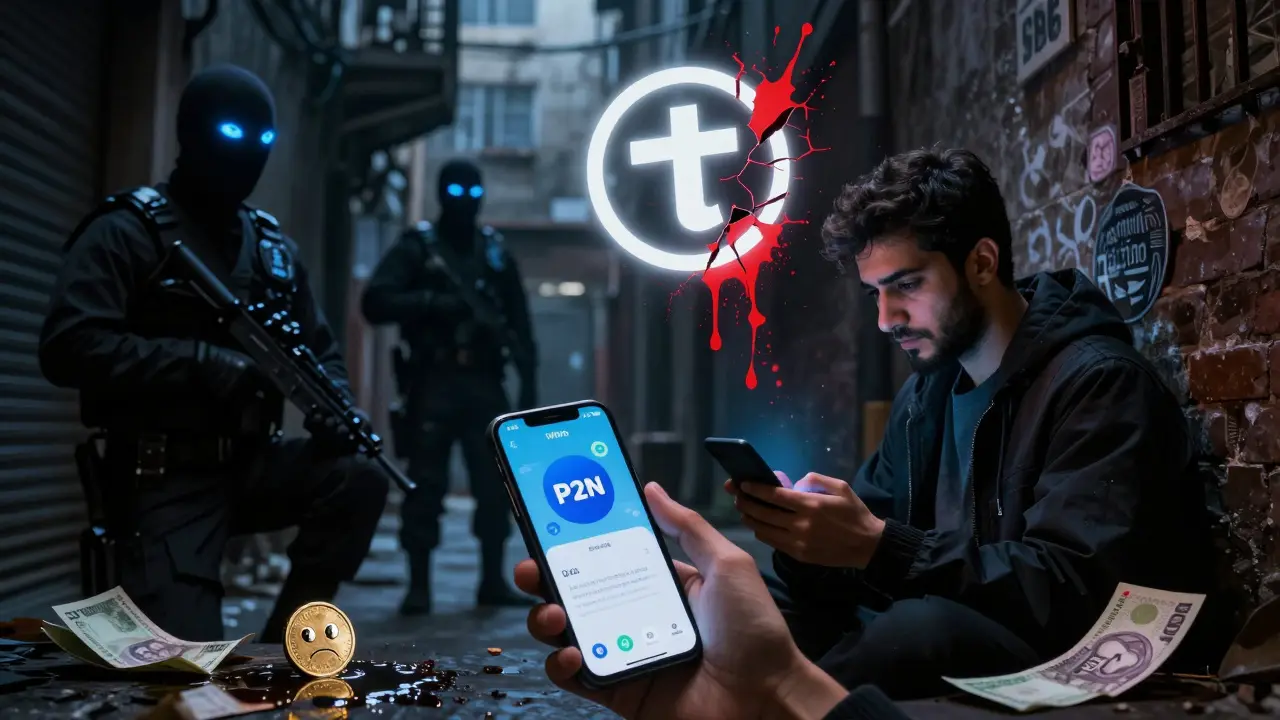
On July 2, 2025, Tether - the company behind USDT - froze 42 cryptocurrency addresses linked to Iranian users. Half of them connected to Nobitex, Iran’s biggest exchange. The rest? They traced back to wallets associated with the Islamic Revolutionary Guard Corps (IRGC), which is under U.S. and UN sanctions.This wasn’t random. Tether had been warned: if you let Iranian users move money through your system, you risk U.S. penalties. So they acted. Big time.
The move sent shockwaves. Iranians scrambled. Some sold their USDT. Others switched to DAI - a decentralized stablecoin on the Polygon network. Why Polygon? Because it’s cheaper, faster, and harder for Tether to monitor. Within weeks, DAI usage in Iran jumped 300%.
It’s a cat-and-mouse game. Tether freezes wallets. Iranians switch networks. Tether updates its filters. Iranians find new workarounds.
The Digital Rial: The Government’s Answer
While banning crypto, Iran is building its own digital currency: Rial Currency. It’s not Bitcoin. Not Ethereum. Not even a stablecoin. It’s just the rial - but digital.Think of it like an app version of your banknote. The Central Bank controls every coin. You can’t mine it. You can’t trade it on global markets. You can’t use it outside Iran. Its only job? Replace the physical rial - and replace crypto.
A pilot program started on Kish Island, a tourist zone where foreign visitors once used dollars. Now, they’re supposed to use Rial Currency. The goal? Kill dollar dependence. But so far, few outside government circles use it. Why? Because no one trusts it.
Now There’s a Tax on Crypto
In August 2025, Iran passed a new law: you must pay capital gains tax on crypto profits. That’s right. If you bought USDT for $1 and sold it for $1.20, you owe tax on the $0.20 profit.This is huge. It’s the first time Iran officially recognized crypto as an asset - not a threat. The government isn’t trying to stop crypto anymore. It’s trying to tax it.
They’re treating crypto like gold, real estate, or foreign currency. If you make money, you pay up. The law is still being rolled out. But it’s clear: the state wants a piece of the pie.

What This All Means for Iranians
Iranians aren’t giving up on crypto. They’re adapting.- They use peer-to-peer (P2P) apps to trade crypto without exchanges.
- They split holdings across multiple wallets to stay under the $10,000 limit.
- They use VPNs to access foreign platforms - even though that’s technically illegal.
- They trade DAI, USDC, and even Monero - anything Tether can’t easily freeze.
But the cost is high. People now risk jail if they’re caught using unlicensed platforms. Banks monitor transfers. The government tracks wallet addresses. Even buying a coffee with crypto can get you flagged.
And yet, the rial keeps falling. In January 2026, it hit a new low: 1 USD = 9.2 million rials. That’s up from 42,000 rials in 2018. People aren’t switching to crypto because it’s trendy. They’re switching because they have no other choice.
Is This a Model for Other Sanctioned Countries?
Russia, Venezuela, North Korea - they all have crypto restrictions. But Iran’s approach is unique: allow mining, ban payments, cap holdings, tax profits, and push a state coin.It’s not about ideology. It’s about survival. The government needs Bitcoin revenue. It needs to stop capital flight. It needs to look like it’s in control.
Other countries watching Iran might copy this. Especially those under U.S. sanctions. If you can’t use the dollar, you need a workaround. But if you can’t let people use crypto freely, you need rules. Iran’s rules are extreme. But they’re working - for the state.
For ordinary Iranians? They’re stuck between a collapsing currency and a controlling government. Crypto isn’t freedom here. It’s a lifeline - with a leash.
Can Iranians still trade crypto legally?
No, not with Iranian rials. All local exchanges are blocked from processing rial deposits or withdrawals. Iranians can still trade crypto through unofficial P2P platforms or foreign exchanges using VPNs, but doing so carries legal risks. The government monitors wallet addresses and can prosecute users on charges of currency evasion.
What happens if I hold more than $10,000 in stablecoins?
You’re required to reduce your holdings to under $10,000. The Central Bank of Iran gave a one-month window in late 2025 to comply. If you still hold over the limit, you risk asset seizure, fines, or being flagged for investigation. There is no official appeal process.
Why did Tether freeze Iranian wallets?
Tether froze 42 Iranian-linked addresses in July 2025 after pressure from U.S. regulators. Many of these wallets were connected to Nobitex and addresses tied to the IRGC, which is under international sanctions. The move was meant to prevent sanctions evasion and protect Tether from U.S. penalties.
Is crypto mining still legal in Iran?
Yes, and it’s actively encouraged. Iran is among the top five Bitcoin mining nations globally, producing nearly $1 billion in Bitcoin annually. The government subsidizes electricity for miners and takes a cut of the output. Mining is seen as a way to earn foreign currency and bypass sanctions.
Can I use the Iranian digital rial to buy crypto?
No. The digital rial is designed to replace physical cash, not interact with crypto. It’s a centralized, government-controlled digital currency with no blockchain. You can’t use it to buy Bitcoin or USDT. Its purpose is to reduce reliance on the U.S. dollar, not to integrate with decentralized finance.
What Comes Next?
Iran’s crypto rules are tightening - not loosening. More restrictions are likely. The government is building surveillance systems to track every crypto transaction. Banks are being forced to report unusual transfers. Even buying a pizza with USDT could trigger a flag.Meanwhile, the rial keeps falling. Inflation is still above 50%. Wages haven’t kept up. People still need a way to save. So they’ll keep finding ways - even if it means risking arrest.
Iran’s story isn’t about banning crypto. It’s about controlling it. And that’s a battle no one has won - yet.







Cameron Pearce Macfarlane
So the government lets you mine Bitcoin but bans you from buying it? Classic. They're not trying to stop crypto-they're trying to steal it. Miners use subsidized power, the state takes a cut, and ordinary people get left with a digital rial that no one trusts. This isn't policy. It's extortion with a spreadsheet.