Cryptoasset Regulation UK: What You Need to Know in 2025
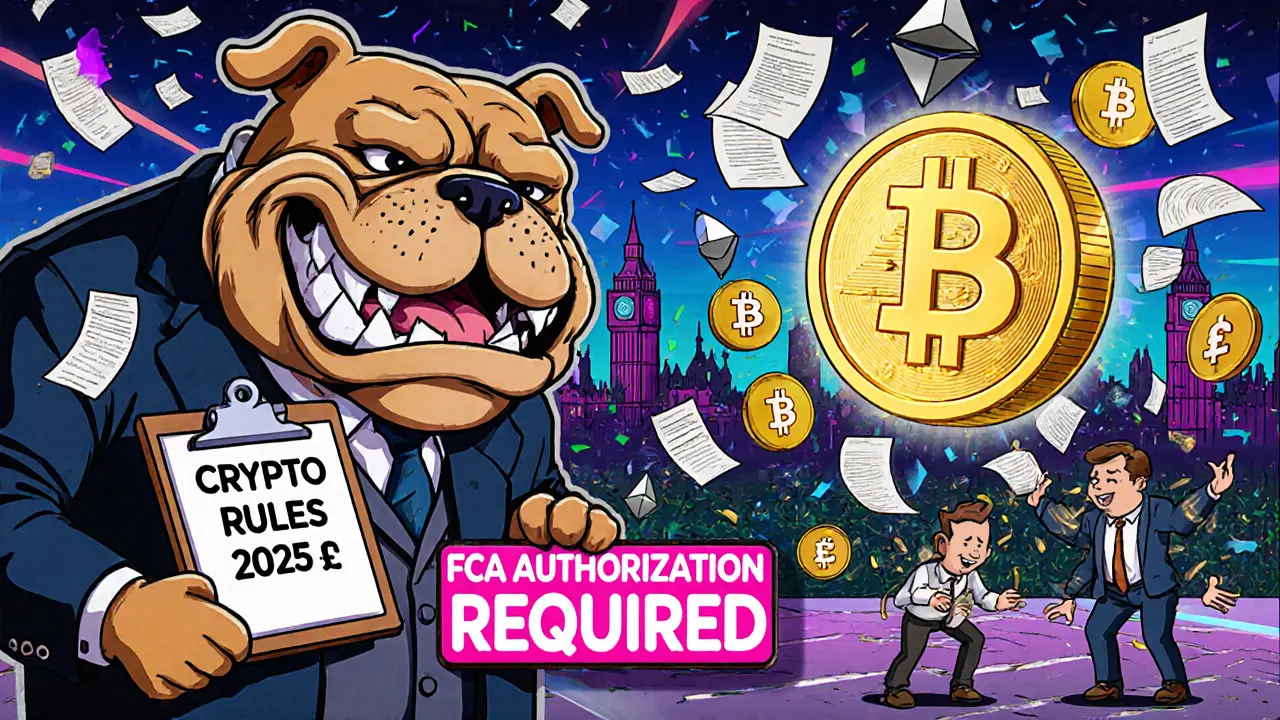
When it comes to cryptoasset regulation UK, the legal framework governing how digital assets like Bitcoin, Ethereum, and tokens are treated under British law. Also known as UK cryptocurrency rules, it’s no longer a gray area — the government and the Financial Conduct Authority (FCA), the UK’s main financial watchdog that enforces crypto rules and licenses exchanges have drawn clear lines. If you’re trading, holding, or investing in crypto in the UK, you’re now under a strict regulatory umbrella — and ignoring it can cost you.
The FCA crypto rules, the official guidelines that require exchanges, wallets, and staking services to register and comply with anti-money laundering checks have tightened since 2020. By 2025, only FCA-registered platforms can legally operate in the UK. That means Binance, Kraken, and Coinbase had to adapt — or lose access. Unlicensed apps? They’re blocked. Crypto ads? They need FCA approval. Even influencers promoting tokens must now disclose if they’re paid. The FCA doesn’t just want to stop scams — it wants to make sure every crypto transaction leaves a paper trail.
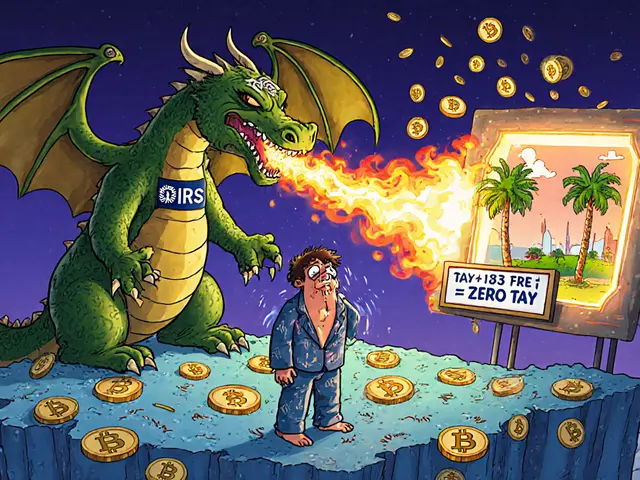
Then there’s cryptocurrency taxation UK, how the HM Revenue & Customs (HMRC) treats your crypto gains, income, and trades as taxable events. The UK doesn’t tax holding crypto — but sell, trade, or earn it? That’s income or capital gains. You owe tax on profits from selling Bitcoin, swapping Ethereum for Solana, or getting rewarded in staking. HMRC doesn’t care if you used a foreign exchange — if you’re a UK resident, they want their cut. And yes, they can track it. Tools like Chainalysis help them trace transactions across blockchains.
It’s not just about taxes and exchanges. The UK is also testing how stablecoins fit into its system. Backed by the pound? Maybe. Used for payments? Not yet. The Bank of England is working on a digital pound, and that could change everything — but for now, you can’t legally use USDT or USDC to pay for coffee in London. The rules are still being written, but the direction is clear: control, transparency, and accountability.
What you’ll find below are real stories from UK crypto users — how they’re navigating these rules, what exchanges still work, where scams are hiding, and how others lost money by assuming crypto was still a free-for-all. Some posts expose fake platforms pretending to be UK-licensed. Others break down how to report crypto taxes without overpaying. There’s even a guide on how to legally move your crypto assets offshore if you’re thinking of relocating. This isn’t theory. These are the battles people are fighting right now — and the lessons they learned the hard way.