DeFi Platform: What It Is, How It Works, and What You Should Know in 2025
When you hear DeFi platform, a decentralized financial system that runs on blockchain without banks or middlemen. Also known as decentralized finance, it lets you lend, borrow, trade, and earn interest—all without asking a bank for permission. That’s the promise. But in 2025, most DeFi platforms you hear about are either dead, abandoned, or built on empty promises. Real ones? They’re quiet, liquid, and used by actual traders—not hype-driven Twitter accounts.
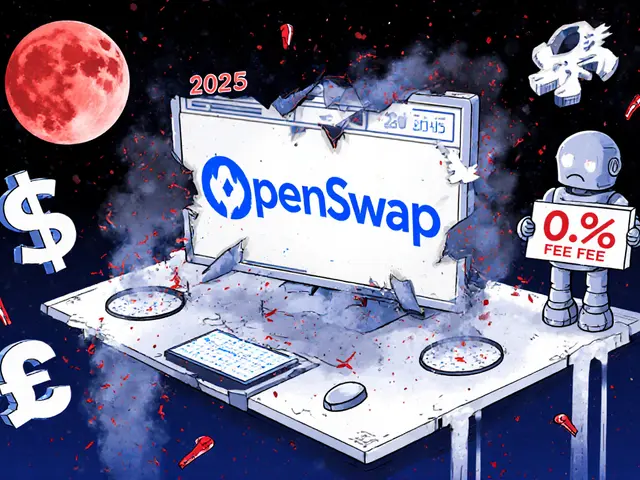
Not every DEX, a decentralized exchange where you trade crypto directly from your wallet. Also known as decentralized exchange. is a DeFi platform. Some are just front-ends with no liquidity. Take SushiSwap on Arbitrum Nova—it’s technically a DEX, but with almost no trades happening, it’s useless for real trading. Meanwhile, platforms like OpenSwap on Harmony are gone. No updates. No users. Just a token ticker and a graveyard of failed promises. A true DeFi platform needs users, volume, and ongoing development—not just a whitepaper and a token drop.
And then there’s the airdrop, a free distribution of tokens to attract users to a new protocol. Also known as token giveaway.. Many DeFi platforms use airdrops to trick people into thinking they’re building something real. The ACMD X CMC airdrop gave out $20,000 in tokens—then went silent. The DSG token airdrop? Zero trading volume. Zero supply. Zero future. Airdrops don’t mean value. They mean marketing. If a DeFi platform’s main feature is handing out free tokens, it’s probably not a platform—it’s a lottery ticket.
What separates a working DeFi platform from a scam? Liquidity. Team activity. Real users. Not a Discord with 50,000 bots. If a platform has no trading volume, no updates in six months, and no clear roadmap, it’s not DeFi—it’s a ghost. Look at Flowmatic ($FM). It was a Solana-based DeFi tool that promised better trading. No one used it. No one traded it. Now it’s worth nothing. That’s the pattern. The real ones? They don’t shout. They just keep running.
And don’t confuse a DeFi platform with a crypto exchange. COREDAX works only in Korea. Koinex shut down after India’s banking ban. CreekEx and Woof Finance? Scams. A DeFi platform runs on smart contracts. A crypto exchange runs on servers you don’t control. One gives you ownership. The other just gives you access—until they freeze your account or disappear.
So what’s left in 2025? A few platforms with real volume. A handful of teams that ship code. And a lot of noise. Below, you’ll find reviews of platforms that actually did something—good and bad. Some worked. Some failed. Some were never real to begin with. You’ll learn what to watch for, what to avoid, and where real DeFi still exists—not the hype, not the tokens, not the airdrops. Just the stuff that still runs.