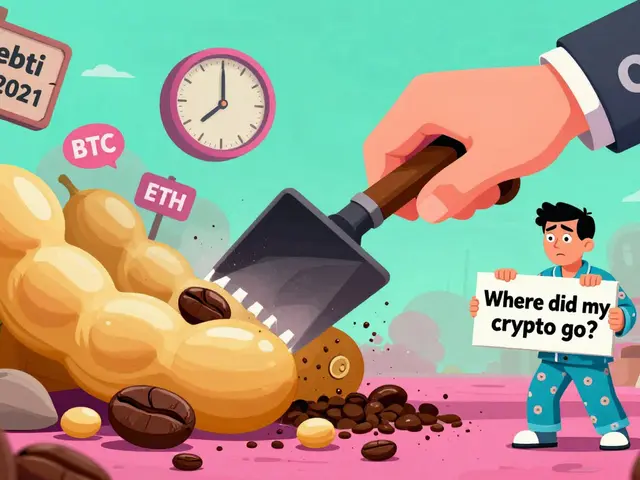
Global Crypto Enforcement: How Countries Are Regulating Crypto in 2025
When it comes to global crypto enforcement, the coordinated efforts by governments to control, tax, or ban cryptocurrency activities. Also known as crypto regulation, it's no longer just about blocking transactions—it's about who gets to operate, who pays taxes, and who gets shut down. In 2025, this isn’t a debate anymore. It’s a reality. From Nigeria’s messy rollout of legal crypto trading to Vietnam’s $379 million capital barrier for exchanges, governments are drawing lines—and enforcing them.
It’s not just about exchanges. crypto mining laws, rules that control who can run mining rigs and under what conditions. Also known as state-controlled mining, it’s now a tool for energy policy and revenue capture. Venezuela forces miners into state pools. The UK requires stablecoin issuers to be licensed by the FCA. Even South Korea’s COREDAX isn’t just a platform—it’s a government-approved gateway for local traders. These aren’t random rules. They’re part of a global shift where crypto is being folded into existing financial systems, not left outside them.
And then there’s crypto exchange restrictions, the outright bans, regional blocks, or identity checks that stop people from trading. Also known as crypto access controls, they’re everywhere. Bangladeshis use VPNs to reach Binance. Indonesians can trade crypto but can’t pay for coffee with it. Nigeria lifted its ban—but only after forcing exchanges to get licensed. And in the UK, HM Treasury made it clear: if you’re running a crypto business, you’re now under the same watch as banks. These aren’t just hurdles. They’re filters. They separate the platforms that play by the rules from the ones that vanish overnight.
What you’ll find in these posts isn’t theory. It’s real-world fallout. You’ll see how a token swap in BinaryX caught users off guard because no one explained the rules. You’ll see how DSG tokens vanished into thin air with zero trading volume. You’ll see why CreekEx and Woof Finance aren’t exchanges—they’re traps. And you’ll see how the same regulatory pressure that shut down Koinex in India is now shaping every new platform in Korea, the UK, and beyond. Global crypto enforcement isn’t just about laws. It’s about survival. If you’re holding crypto, trading it, or mining it, you’re already in the game. The question is: are you playing by the rules—or just hoping no one’s watching?