HashLand NFT: What It Is, Why It Matters, and What You Need to Know
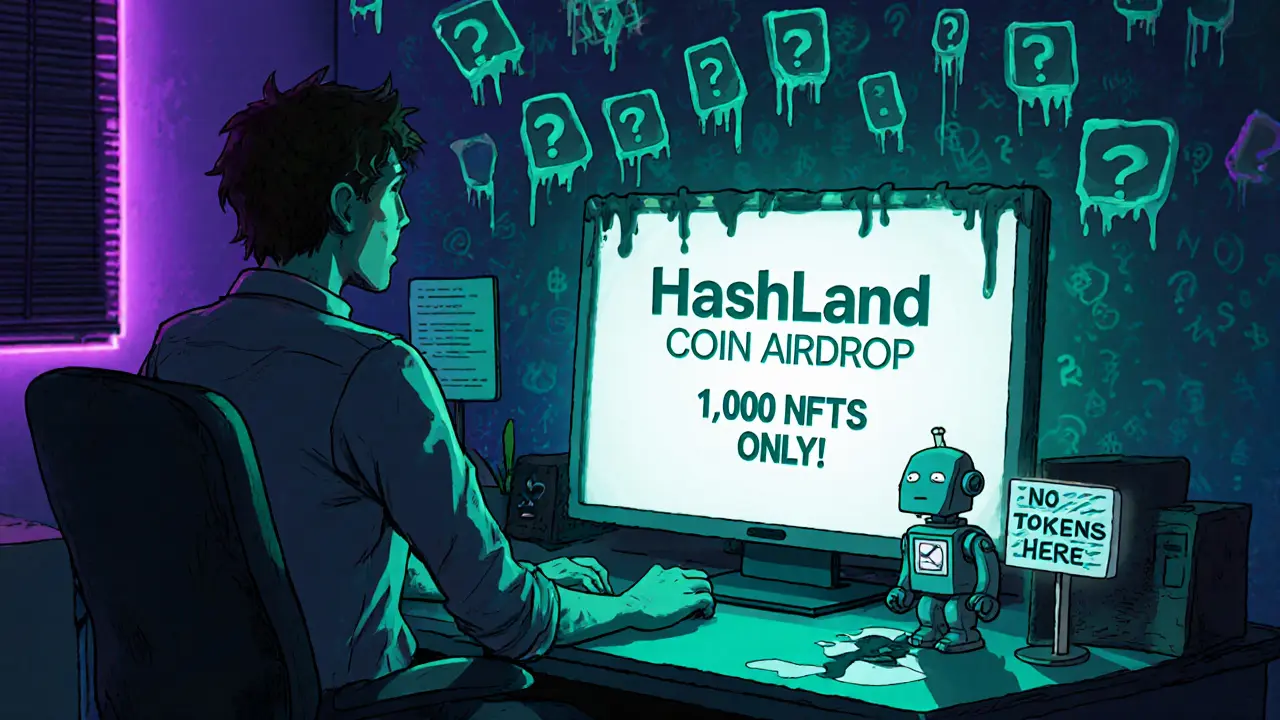
When you hear HashLand NFT, a digital asset tied to a blockchain-based virtual world where players own land, items, and characters. Also known as NFT-based gaming assets, it represents a shift from just playing games to actually owning parts of them. Unlike traditional video game items that vanish when servers shut down, HashLand NFTs live on the blockchain—meaning you control them, not a company. This isn’t just about collecting art or pixels. It’s about having real, verifiable ownership in a digital space that’s growing fast.
HashLand NFTs relate directly to other concepts you’ve probably seen: NFTs for beginners, simple digital collectibles that prove you own something unique on a blockchain, and blockchain gaming, games where in-game items are tokens you can trade, sell, or use across platforms. These aren’t separate ideas—they’re parts of the same ecosystem. If you’ve heard of Ref Finance or SoccerHub airdrops, you’ve already seen how people earn and trade digital assets. HashLand NFTs work the same way, but instead of tokens for swapping or playing soccer, you’re buying virtual real estate in a game world.
What makes this different from buying a skin in Fortnite? Nothing stops you from reselling it. No company can delete it. No server crash takes it away. That’s the power of blockchain ownership. But it’s not all smooth sailing. Many NFT projects, like Flowmatic or Project Quantum, promised big things and faded fast. HashLand could be one of those—unless it has real players, real utility, and a team that keeps building. That’s why you need to look beyond the hype. Check the marketplace activity. See if people are actually using the land. Is there a game behind it, or just a static image? These are the questions that separate real projects from empty shells.
You’ll find posts here that break down exactly how NFTs work in practice—what to watch for, how scams hide in plain sight, and which platforms actually let you trade them safely. Some cover airdrops that gave away free NFTs, others expose fake marketplaces pretending to sell them. You’ll see what happened with BUNI, DSG, and even AdEx’s AURA—projects that tried to build communities around digital assets. The lessons from those cases apply directly to HashLand NFTs. If you’re thinking of buying, selling, or just exploring, you need to know what’s real and what’s just noise.
This collection doesn’t tell you to buy or avoid HashLand NFTs. It gives you the tools to decide for yourself. Whether you’re new to NFTs or have traded a few before, the posts here will help you spot the difference between a project with staying power and one that’s already dead. You’ll learn how to check liquidity, verify teams, and avoid traps disguised as opportunities. The next time someone says "this NFT will make you rich," you’ll know exactly what to ask next.