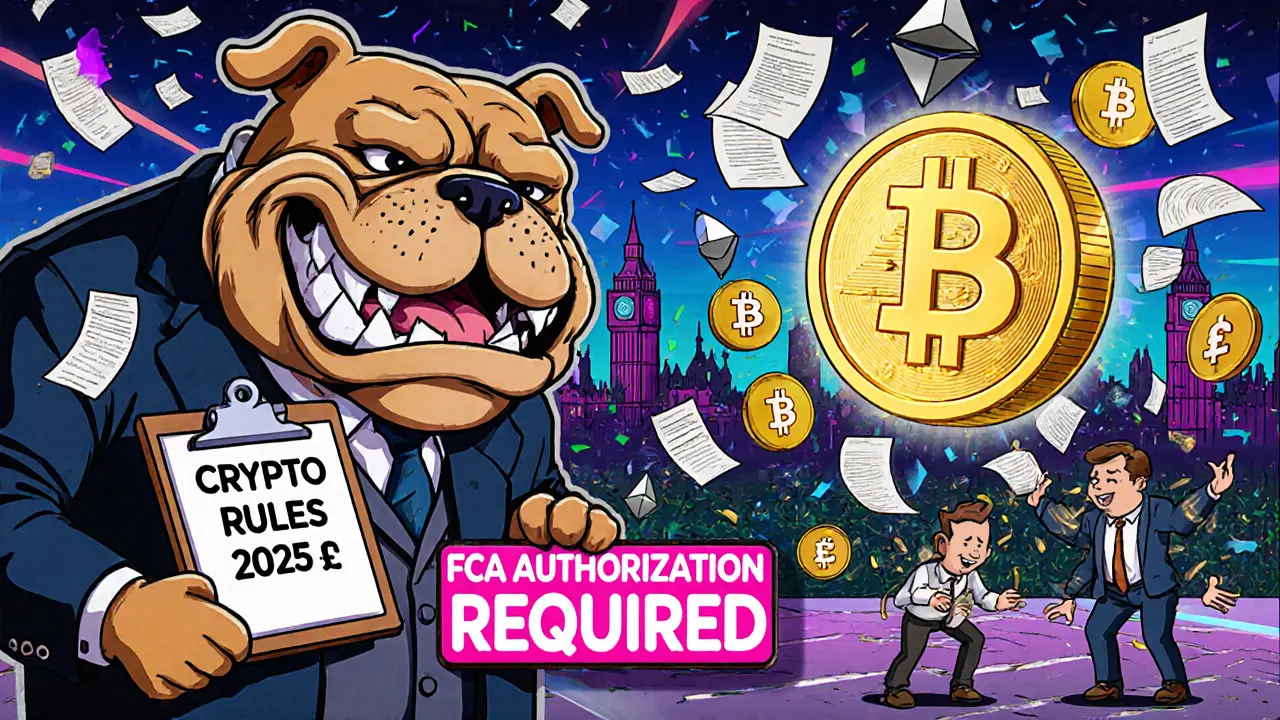
HM Treasury Crypto Regulations: What UK Crypto Traders Need to Know
When it comes to HM Treasury crypto regulations, the UK government’s official framework for overseeing digital assets. Also known as UK cryptocurrency rules, it’s the backbone of everything from tax reporting to exchange licensing. If you’re trading crypto in the UK, these rules aren’t just paperwork—they directly impact what platforms you can use, how much tax you owe, and whether your assets are even legal to hold.
These regulations don’t exist in a vacuum. They’re tied closely to the Financial Conduct Authority (FCA), the agency that enforces crypto rules and shuts down unlicensed platforms. Also known as FCA crypto oversight, it’s the body that banned Binance from active marketing in the UK and keeps a public warning list of scam sites. Then there’s crypto taxation UK, the system that treats crypto as property, not currency, meaning every trade, swap, or gift could trigger a tax event. Also known as crypto capital gains tax, it’s where most traders get tripped up—not because the rules are secret, but because they’re messy and poorly explained. And don’t forget crypto compliance UK, the set of anti-money laundering checks exchanges must run on every user, from ID verification to source-of-funds checks. Also known as KYC for crypto, it’s why you can’t sign up for a UK-regulated exchange without uploading your passport and a selfie.
The UK doesn’t ban crypto—it just makes it hard to ignore. You can buy Bitcoin on Coinbase, trade ETH on Kraken, or stake tokens on Celsius (if it’s still operating under UK rules), but every step is monitored. HM Treasury requires exchanges to register, report suspicious activity, and keep records for five years. That’s why you see so many platforms leaving the UK—they can’t afford the cost of compliance. Meanwhile, traders who don’t report their gains risk fines, penalties, or even criminal charges. The government isn’t trying to stop crypto; it’s trying to control it.
What does this mean for you? If you’re holding crypto in the UK, you’re already under the microscope. The HM Treasury crypto regulations don’t care if you’re a casual buyer or a full-time trader—you still need to track your transactions, calculate your gains, and file your taxes. There’s no gray area. And with the FCA cracking down harder every year, fake exchanges, unregistered DeFi platforms, and anonymous trading tools are getting riskier by the month.
Below, you’ll find real reviews and breakdowns of exchanges, airdrops, and tools that either work within these rules—or dangerously ignore them. Some platforms are licensed. Others are scams dressed up as compliance. Some airdrops are legit. Others are tax traps. You’ll see what’s legal, what’s risky, and what’s outright banned. No fluff. Just what you need to know to stay safe and compliant in the UK’s evolving crypto landscape.