Iran Cryptocurrency: What's Legal, What's Blocked, and How People Really Trade
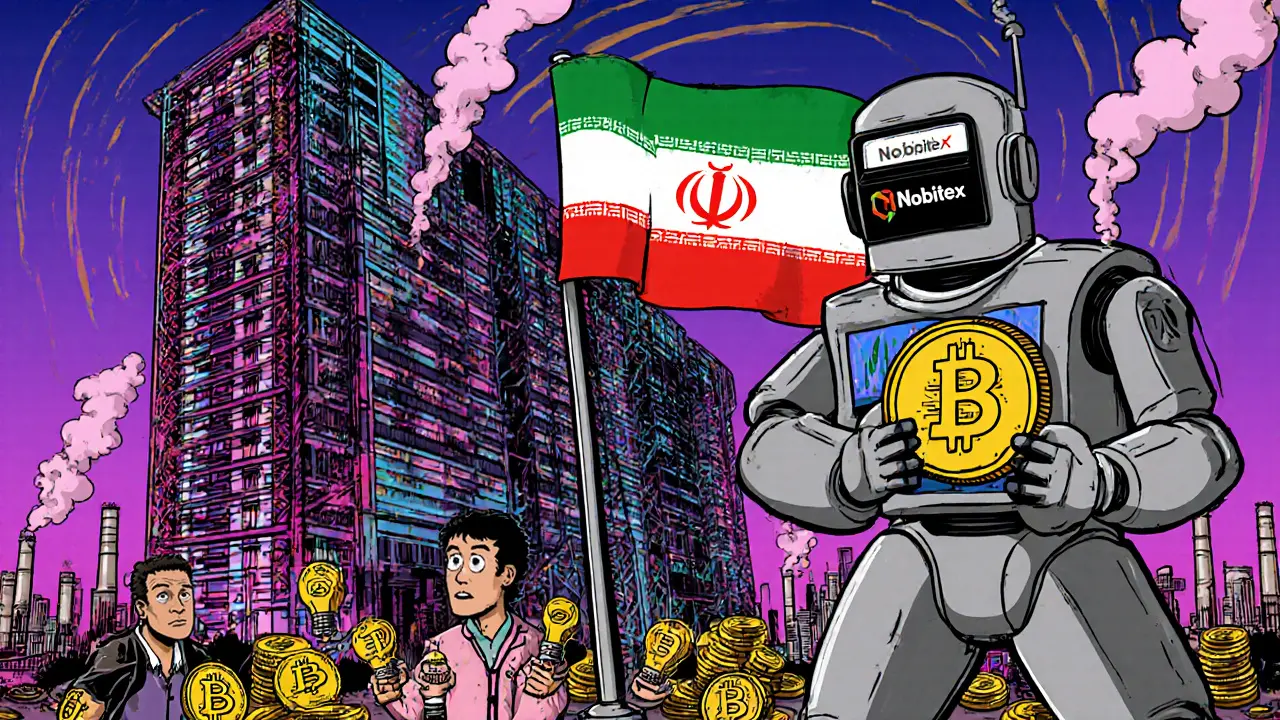
When it comes to Iran cryptocurrency, the use of digital currencies by individuals and businesses within Iran’s borders. Also known as crypto in Iran, it’s a mix of state suspicion, underground adoption, and clever workarounds. The Iranian government doesn’t outright ban Bitcoin or Ethereum, but it doesn’t let you use them freely either. You can’t open a bank account for crypto, you can’t legally trade on international exchanges without approval, and you can’t pay for goods with crypto in stores. Yet, millions still do.
So how? Many Iranians use VPNs, tools that mask online location to access blocked platforms. Also known as proxy services, they let users reach Binance, Bybit, and other foreign exchanges that would otherwise be blocked by national firewalls. Others trade peer-to-peer through local Telegram groups, exchanging Iranian rials for USDT or BTC with strangers in parking lots or coffee shops. Some even mine Bitcoin using cheap, government-subsidized electricity—though the state now demands licenses and takes a cut of the profits. The crypto exchange Iran, any platform or method used to buy, sell, or trade digital assets inside Iran. Also known as local crypto trading, it’s not about legality—it’s about survival. With inflation hitting over 40% and the rial losing value daily, crypto isn’t a hobby. It’s a lifeline.
What you won’t find in official reports are the real stories: a teacher earning USDT from freelance gigs, a family sending money to relatives abroad using P2P swaps, or a small business accepting ETH for goods because banks froze their accounts. The government’s stance shifts monthly—sometimes they crack down on miners, sometimes they quietly allow it. What stays constant is the demand. People want control over their money. They want access to the global economy. And they’re finding ways, even if it means bending the rules.
Below, you’ll find real reviews and breakdowns of platforms Iranians actually use, scams to avoid, and how local regulations impact daily trading. No fluff. No guesses. Just what’s happening on the ground.