Korean crypto exchange: What’s legal, which platforms work, and where to trade safely
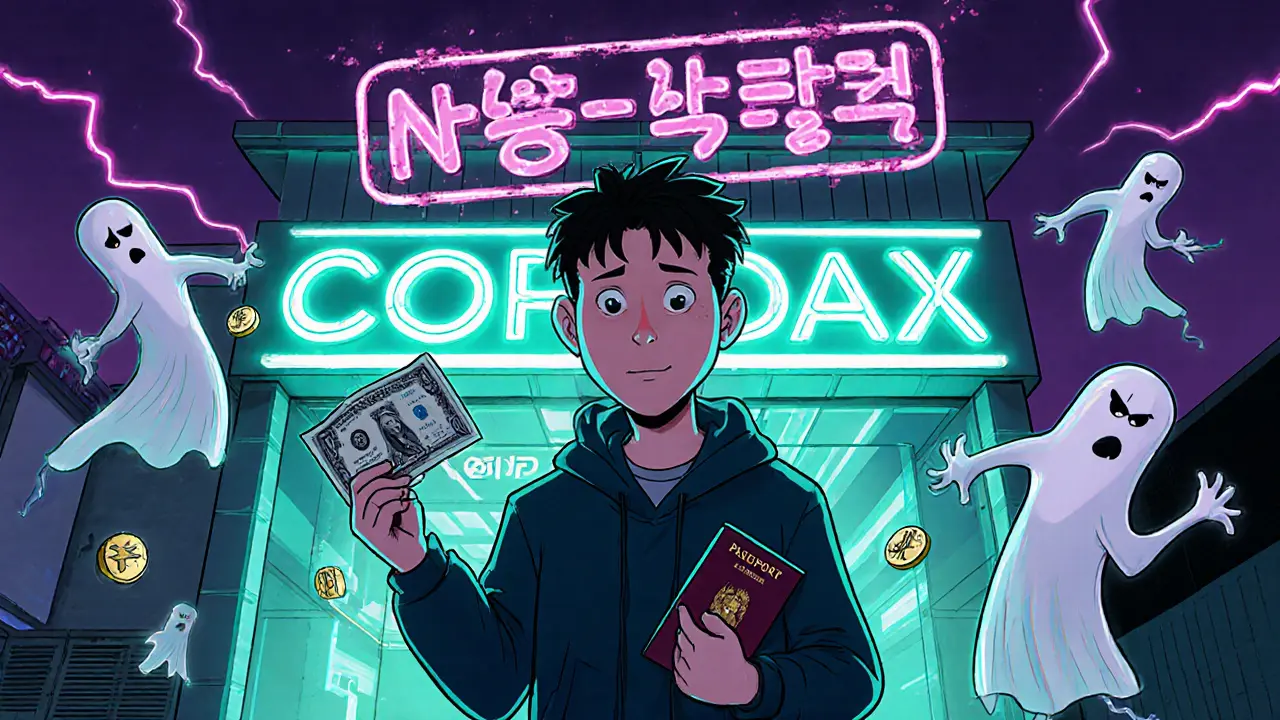
When you’re looking for a Korean crypto exchange, a regulated digital asset platform licensed to operate in South Korea. Also known as South Korea crypto exchange, it must follow strict rules set by the Financial Services Commission (FSC) — including KYC, anti-money laundering checks, and local bank integration. Unlike places where you can sign up with a VPN and trade freely, South Korea demands real identity verification, local currency deposits in won, and licensed operators only. This isn’t about convenience — it’s about control.
That’s why platforms like Bithumb, South Korea’s oldest and largest crypto exchange, founded in 2013 and Upbit, the market leader since 2017, owned by Daelim Group and backed by Korea’s biggest telecom dominate the scene. They’re the only two exchanges that have passed the FSC’s licensing requirements and still operate legally today. Other platforms? Either shut down, got banned, or operate in gray zones — often targeting foreigners with fake claims of being "Korean-approved." The FSC doesn’t issue licenses to offshore companies. If a site says it’s a Korean exchange but doesn’t list Bithumb or Upbit as its parent, it’s likely a scam.
Why does this matter? Because South Korea’s rules affect what you can trade. Stablecoins like USDT are banned for local trading pairs — you can’t buy USDT with won on Upbit. You can only trade crypto against KRW. Also, leverage trading is restricted. No 100x margin. No anonymous trading. No unlicensed tokens. The government wants to protect retail traders from wild speculation, not enable it. That’s why you won’t find obscure meme coins or unverified DeFi tokens on these platforms. What you will find are Bitcoin, Ethereum, and a handful of vetted altcoins with real trading volume and clear ownership.
And it’s not just about the exchange — it’s about the ecosystem. Korean traders use local bank transfers, not crypto wire services. Withdrawals go to Shinhan, KB, or Hana Bank accounts. That’s why most international exchanges (like Binance or Coinbase) don’t offer direct won deposits. They don’t meet the legal requirements. If you’re a Korean resident, your only real options are Bithumb and Upbit. Everyone else? You’re either using a VPN (which violates terms), risking your funds on unregulated platforms, or stuck outside the system.
There’s a reason why Korean crypto trading volumes still rank among the highest in the world — even after years of regulation. People here still trade. They still buy. They still hold. But they do it on platforms that are legal, transparent, and tied to real financial infrastructure. No hype. No promises. Just rules. And if you’re trying to trade crypto in Korea, that’s the only path that actually works.
Below, you’ll find real reviews, scam exposés, and regulatory breakdowns from traders who’ve been through it all — from the early days of unregulated exchanges to today’s strict compliance era. No guesswork. Just what’s true, what’s gone wrong, and what still works in 2025.
![What is BitTorrent [New] (BTT) Crypto Coin? A Clear Breakdown of How It Works and Why It Matters](/uploads/2026/02/thumbnail-what-is-bittorrent-new-btt-crypto-coin-a-clear-breakdown-of-how-it-works-and-why-it-matters.webp)