Large Crypto Transactions: What They Are, Why They Matter, and How They Shape the Market
When someone moves large crypto transactions, transfers of cryptocurrency exceeding $100,000 that often signal institutional activity or market-moving events. Also known as whale movements, these transfers can shake prices, trigger exchange freezes, or even spark regulatory investigations. They’re not just big numbers on a blockchain — they’re signals. When a single wallet sends 5,000 BTC to a regulated exchange, it’s not a random act. It’s a bet, a liquidation, or a strategic exit. And exchanges notice. So do governments.
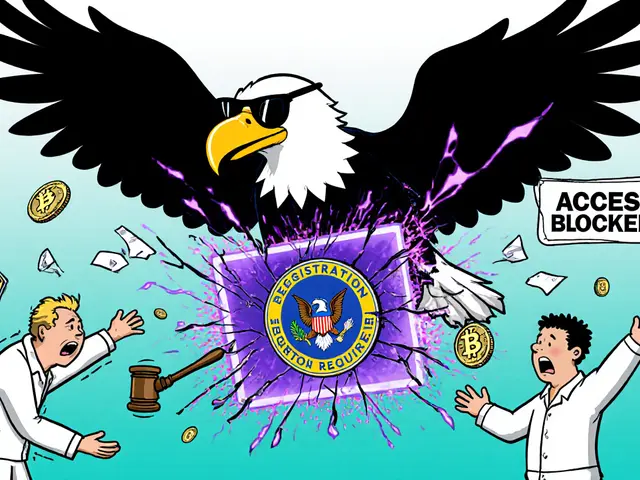
That’s why crypto exchange restrictions, rules imposed by regulators or platforms to limit withdrawals, deposits, or trading volume for certain users or jurisdictions. Also known as capital controls in crypto, these measures often kick in after unusual transaction patterns show up. Nigeria, Vietnam, and Bangladesh all saw spikes in large transactions before tightening rules. In some cases, exchanges like COREDAX in South Korea or CreekEx (a known scam) tried to mimic legitimacy — but only the real ones had the compliance systems to handle big moves without freezing accounts. Meanwhile, in Venezuela, miners are forced into state pools because their large payouts look like money laundering. The same logic applies to crypto mining regulations, government rules that control who can mine, how much power they can use, and where they must report their earnings. Also known as state-controlled mining, these rules often target large-scale operations. If you’re moving big sums from mining rewards, you’re not just earning crypto — you’re entering a legal gray zone.
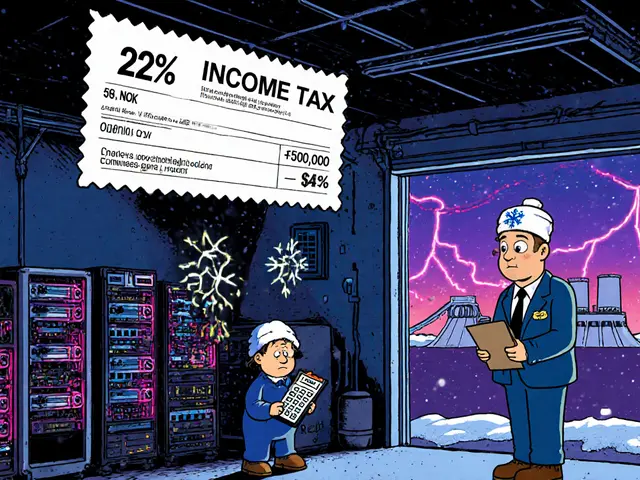
And then there’s the tax side. In places like Portugal or Dubai, people relocate not just for lower taxes, but because crypto tax optimization, legally structuring your crypto holdings and residency to minimize tax liability under local laws. Also known as crypto residency planning, this strategy often depends on timing large transactions before changing legal addresses. Move $2 million in ETH before becoming a tax resident in Germany? You might pay zero. Do it after? You’re on the hook. That’s why large transactions aren’t just about price — they’re about timing, location, and legal exposure.
Behind every large transaction is a story: a DeFi platform like Ref Finance handling micro-fees while whales move millions, or a failed token like Flowmatic ($FM) collapsing after its biggest holders dumped their bags. These aren’t random events. They’re connected. The same wallets that fund airdrops like BUNI or ACMD also trigger exchange restrictions. The same miners in Venezuela who get paid in crypto are the ones moving large sums that get flagged. And the same traders who use VPNs in Bangladesh to access Binance are the ones watching those big moves to time their own entries.
What you’ll find below isn’t just a list of articles. It’s a map of how large crypto transactions ripple through exchanges, regulations, scams, and everyday traders. You’ll see how a single transfer can expose a fake platform like Armoney or CreekEx, force a country like Vietnam to ban stablecoins, or make a token like ZEUS crash overnight. No fluff. No theory. Just what happens when real money moves on the blockchain — and how you can read the signs before it’s too late.