NFT Storage: How to Keep Your Digital Assets Safe and Accessible
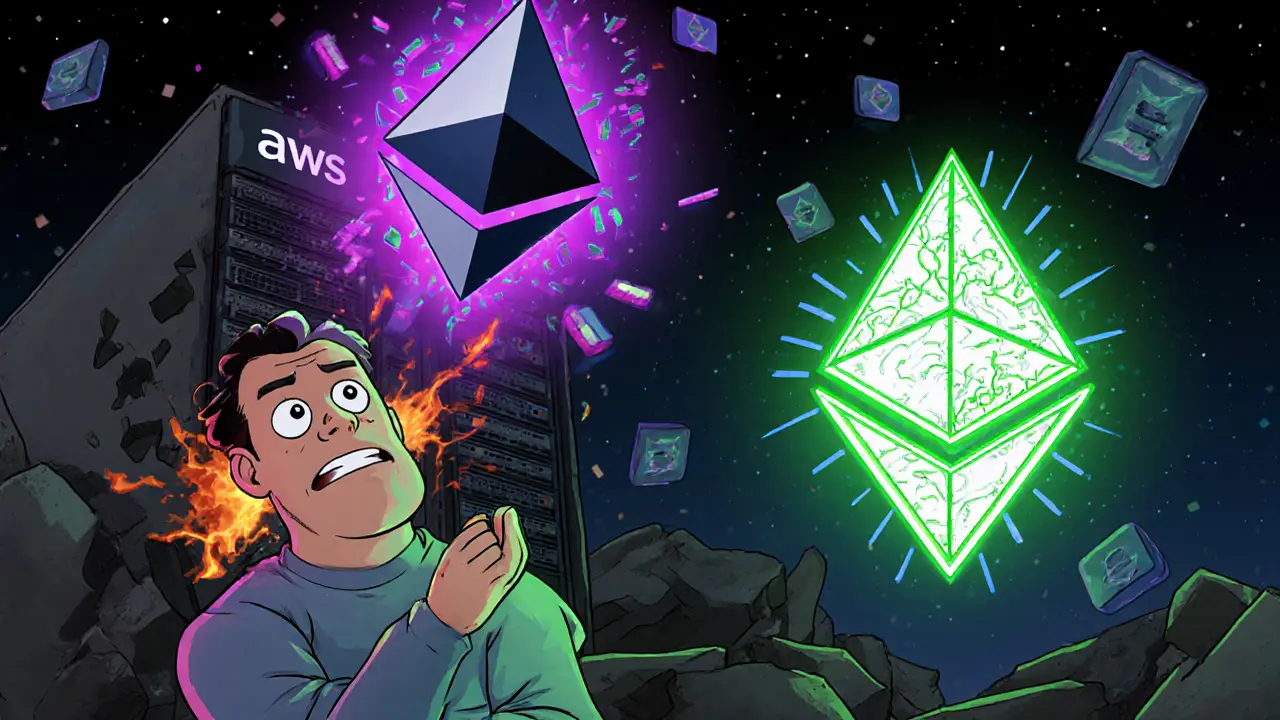
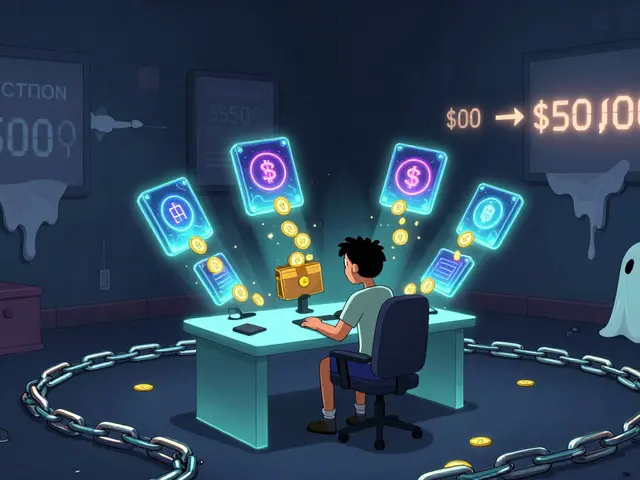
When you buy an NFT, you don’t actually own the image or video—you own a NFT storage, a unique digital certificate on a blockchain that proves you control a specific asset. Also known as on-chain ownership proof, it’s only as strong as the way its data is stored. Most people think owning an NFT means they own the JPEG. But if the image is stored on a company’s server that shuts down, your NFT becomes a link to nothing. That’s not ownership—it’s a digital ghost.
Real NFT storage means the data behind your asset—like the image, audio, or 3D model—is kept somewhere permanent and decentralized. This is where NFT metadata, the structured data that describes your NFT, including its name, attributes, and location of the digital file comes in. If that metadata points to a centralized server (like Amazon S3 or a startup’s website), you’re one outage away from losing everything. The best NFTs use blockchain storage, a system where data is copied across many computers on a decentralized network, making it nearly impossible to delete or alter. Tools like IPFS and Arweave are built for this. They don’t rely on any single company. They’re designed to last.
But even the best storage won’t help if you don’t check where your NFT’s data lives. Many popular NFT projects still use weak storage methods because it’s cheaper and easier. That’s why so many NFTs from 2021 and 2022 are already broken. Your CryptoPunk might look fine on OpenSea, but if the image is hosted on a server that went offline, it’s gone. And no marketplace can bring it back. The same goes for your Bored Ape, your pixel art, or your music NFT. If the file isn’t stored on a permanent network, it’s not truly yours.
What you need is a system where the file and its ownership record are tied together in a way that can’t be broken. That’s why some NFTs now store the actual image on-chain—tiny, simple graphics that fit directly on the blockchain. Others use Arweave’s one-time payment model to lock data forever. And some projects combine both: storing metadata on-chain and the media on IPFS with permanent hosting. The difference isn’t just technical—it’s financial. An NFT with weak storage loses value fast. Collectors know it. Exchanges know it. And you should too.
There’s no magic fix. But you can protect yourself. Always check the NFT’s contract on Etherscan or a similar tool. Look at the metadata URL. If it starts with https://ipfs.io or https://arweave.net, you’re in good shape. If it’s a regular website domain, run. And if you’re creating an NFT? Don’t cut corners. Pay for permanent storage. Your future self will thank you.
Below, you’ll find real-world examples of what went wrong—and what worked—in NFT storage. Some posts expose scams hiding behind broken links. Others show how projects got it right. No fluff. Just what you need to know to keep your digital assets safe.