Nigeria crypto restrictions: What's banned, what's allowed, and how locals adapt
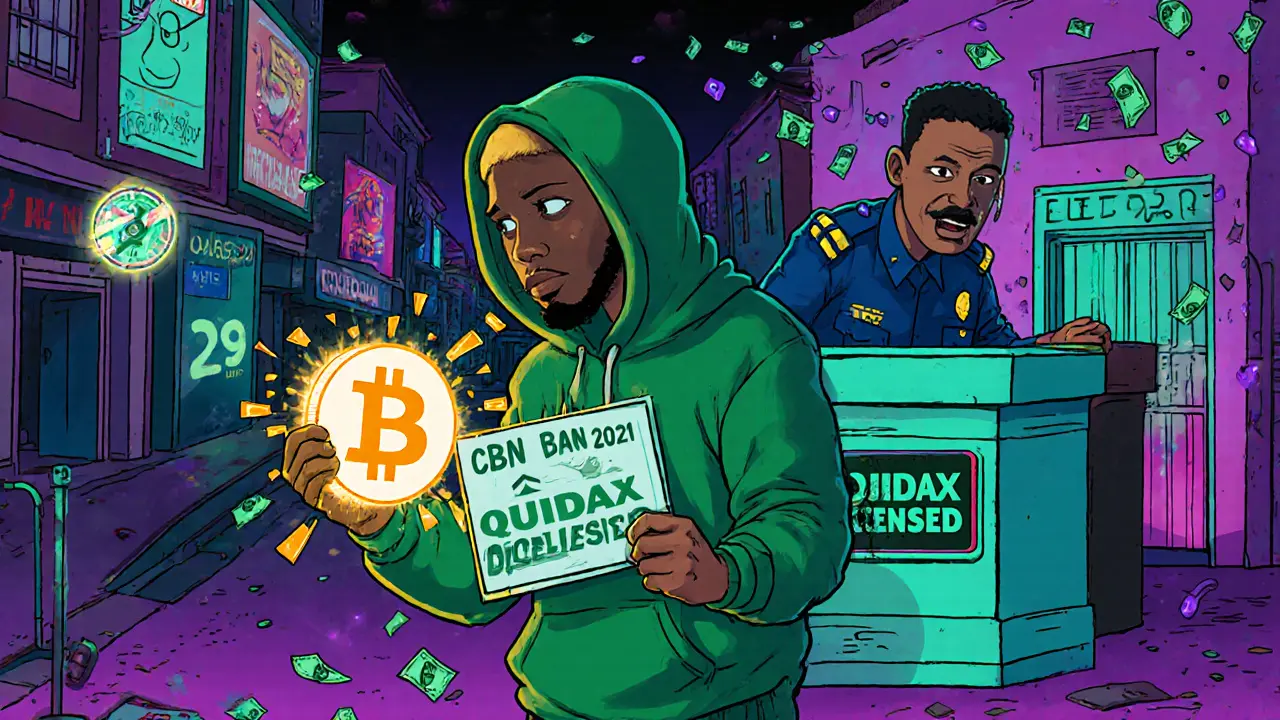
When the Central Bank of Nigeria, the country’s primary financial regulator that issued a 2021 directive banning banks from serving crypto businesses. Also known as CBN, it blocked Nigerian banks from handling crypto transactions in 2021, it didn’t kill crypto—it moved it underground. Millions of Nigerians still trade Bitcoin, USDT, and other tokens daily, but now they do it through peer-to-peer platforms, encrypted apps, and VPNs that bypass bank filters. The ban wasn’t a law passed by parliament—it was a banking directive, meaning it targeted financial institutions, not people. That loophole is why crypto use didn’t drop. It just got messier.
What the Central Bank of Nigeria didn’t expect was how fast Nigerians adapted. Instead of quitting crypto, they turned to platforms like Paxful, LocalBitcoins, and Binance P2P, where buyers and sellers trade directly using bank transfers, airtime, or even cash. The Nigeria crypto ban, a term often used to describe the CBN’s 2021 banking restrictions on crypto-related transactions forced traders to become more cautious. Many now use VPNs, tools that mask internet traffic to access blocked crypto exchanges like Binance or Kraken. Also known as virtual private networks, they to access global exchanges and avoid detection. Some even use prepaid cards or mobile money to move value without touching bank accounts. This isn’t just about avoiding rules—it’s about survival. With inflation hitting 30% in 2024 and the naira losing value weekly, crypto became a lifeline for saving money, paying freelancers, and sending remittances home.
The government keeps talking about regulating crypto, not banning it. In 2023, the Securities and Exchange Commission (SEC) started registering crypto firms, hinting that oversight, not prohibition, is the real goal. But until banks are allowed to work with crypto businesses again, most Nigerians won’t trust official channels. That’s why the underground market thrives. You won’t find a single official crypto exchange operating in Nigeria today, but you’ll find hundreds of traders meeting in Lagos cafes, WhatsApp groups, and Telegram channels to swap USDT for cash. The Nigeria crypto restrictions created a parallel economy—one built on trust, anonymity, and necessity. Below, you’ll find real reviews and breakdowns of how people in Nigeria access exchanges, spot scams, and stay safe when the system is working against them. These aren’t theoretical guides. They’re survival tactics from people who’ve been through it.