RBI crypto ban: What happened and how it shaped India's crypto future
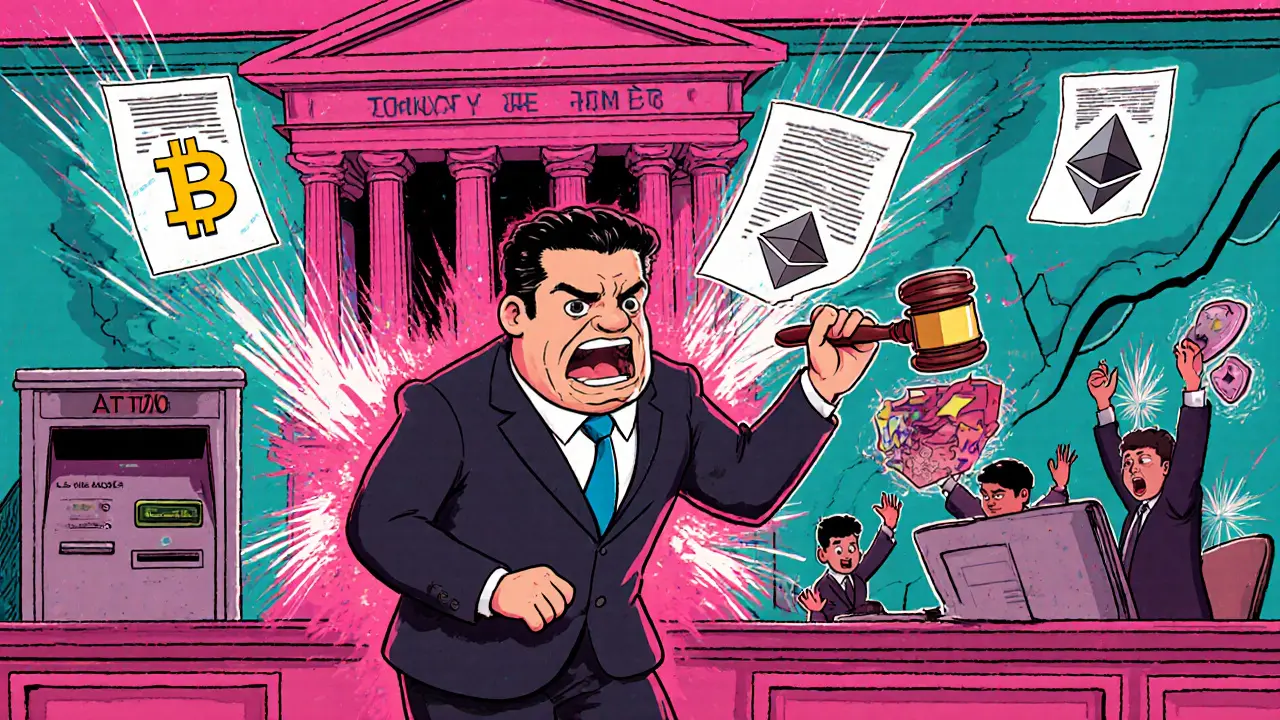
RBI crypto ban, a 2018 directive from India’s central bank that barred banks from serving crypto businesses. Also known as the crypto banking restriction, it didn’t make crypto illegal—but it made using it nearly impossible for most people. Banks froze accounts, exchanges shut down, and traders scrambled. Koinex, once India’s biggest exchange, collapsed overnight. People didn’t stop trading—they just went quiet, using peer-to-peer apps and VPNs to keep going.
The RBI crypto ban wasn’t just about fear of fraud. It was about control. The Reserve Bank didn’t trust decentralized money. They worried about money laundering, capital flight, and losing power over the rupee. But they didn’t understand how many Indians were already using crypto—not as a gamble, but as a lifeline. Remittances, savings, and even small business payments moved through Bitcoin and Ethereum when traditional banks wouldn’t help. The ban hurt ordinary users more than it stopped bad actors.
What followed was a five-year shadow economy. Indian traders used Koinex shutdown, the 2018 collapse of India’s top exchange after the RBI cut off its banking access as a warning. They learned to avoid centralized platforms that relied on bank links. They turned to non-KYC P2P marketplaces, local WhatsApp groups, and wallets they controlled. Meanwhile, Indian crypto regulations, the patchwork of tax rules, reporting requirements, and legal gray zones that emerged after the ban was overturned slowly took shape. By 2025, the Supreme Court had killed the ban, but the damage stuck. Exchanges didn’t bounce back—they rebuilt from scratch, with new names, new compliance layers, and a lot of caution.
Today, you’ll find Indian crypto users still dealing with the fallout. Banks still hesitate. Some exchanges refuse to serve Indian customers. Others operate under tight restrictions. The crypto exchange India, a term that now refers to platforms that survived the ban by adapting to strict KYC and tax tracking market is smaller, slower, and more regulated than it could’ve been. But it’s alive. And it’s learning.
The posts below aren’t just about current exchanges or airdrops. They’re about what happened after the ban. You’ll find real stories of how people kept trading, how scams filled the vacuum, and how today’s platforms are trying to earn trust again. Some are cautionary tales. Others are survival guides. All of them tie back to one moment: when the RBI said no—and India said, we’ll find a way.