RITA crypto: What It Is, Why It Matters, and What You Need to Know
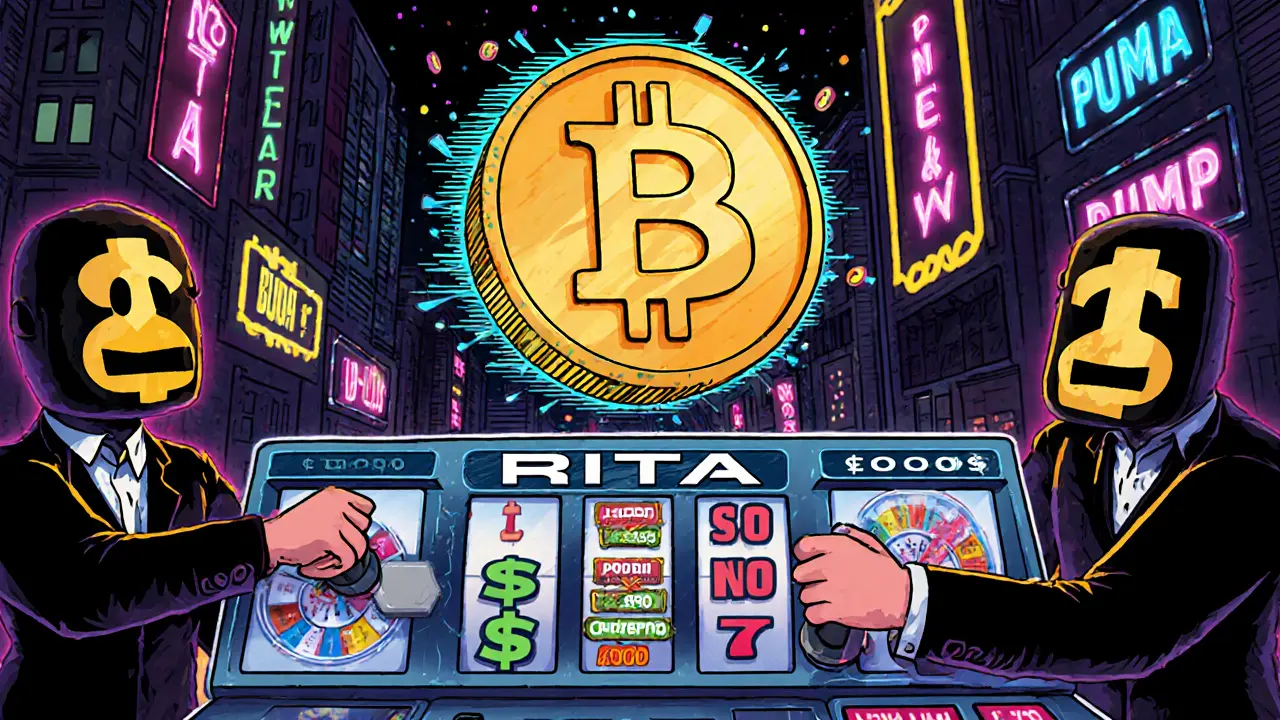
When you hear RITA crypto, a low-cap meme token with no clear team or utility. Also known as RITA token, it’s one of hundreds of obscure coins that pop up on social media, promising quick gains but delivering mostly confusion. Unlike big-name projects, RITA doesn’t have a whitepaper, a roadmap, or even a consistent price history across platforms. It’s not listed on Binance, Coinbase, or Kraken. You won’t find it on CoinMarketCap’s top 1000. Yet people still talk about it—mostly in Discord groups and Telegram channels where hype replaces facts.
RITA crypto fits into a broader pattern: meme tokens born from internet culture, not engineering. It’s similar to Pepes Dog (ZEUS), a meme coin with a 420-trillion supply and zero real use case, or TajCoin (TAJ), a token with no exchange listings and conflicting data everywhere. These aren’t investments—they’re gambling chips with a blockchain wrapper. RITA doesn’t power a DeFi protocol like Ref Finance (REF), a low-fee swap platform on NEAR Protocol. It doesn’t reward users like a legitimate airdrop, a distribution of free tokens to build community. It just exists, floating in the ether, fed by bots and retweets.
Most people who chase RITA crypto are either caught in the loop of chasing the next viral coin or they’ve been misled by fake trading bots claiming to "auto-buy RITA" for 500% returns. There’s no team behind it. No GitHub activity. No audits. No liquidity pools you can verify. If you see a website selling RITA NFTs or offering a "RITA airdrop," it’s a scam. Real airdrops—like the ones from AdEx Network (ADX), a project that actually distributed tokens to early users—come with clear rules, verifiable wallets, and official announcements. RITA has none of that.
So why does RITA crypto even exist? Because crypto’s wild west still rewards attention over substance. The same platforms that list real DeFi tools also list coins with no purpose, because someone paid to get them there. And as long as people keep searching for "RITA crypto price" or "how to buy RITA," the noise will keep growing. But here’s the truth: if you’re looking for value, you’re looking in the wrong place. The real opportunities lie in projects with open-source code, active communities, and real use cases—not in tokens with names that sound like a typo.
Below, you’ll find a collection of posts that cut through the noise. Some expose fake exchanges. Others break down why certain tokens collapse. A few show you how to spot a scam before you lose money. If you’ve ever wondered whether RITA is worth your time, these articles will give you the facts—not the hype.