SEC Thailand Crypto: Regulations, Risks, and What Traders Need to Know
When it comes to SEC Thailand crypto, the Securities and Exchange Commission of Thailand is the main regulator overseeing digital asset trading, exchanges, and token offerings. Also known as Thai SEC, it enforces rules that make Thailand one of the stricter crypto markets in Southeast Asia. Unlike countries that banned crypto outright, Thailand lets you trade—but only through licensed platforms, and only if you follow their rules.
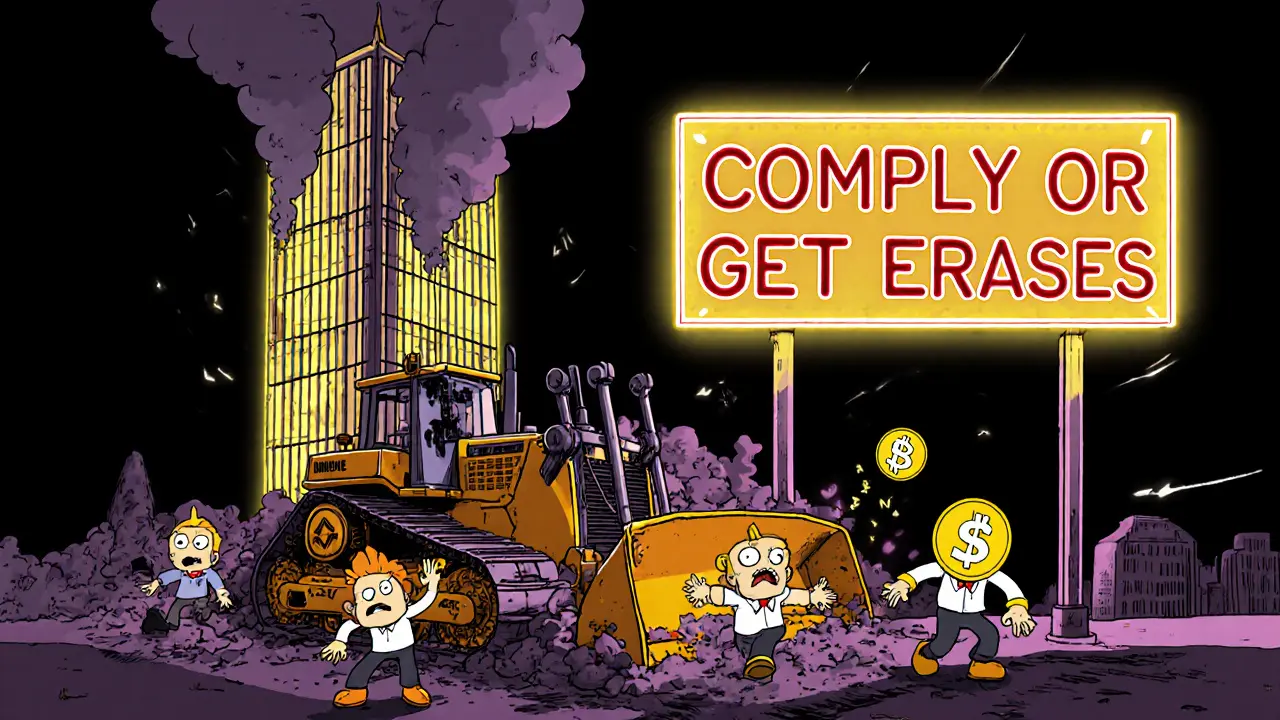
The Thai SEC, the government body that licenses and monitors crypto businesses in Thailand requires every exchange to get formal approval before operating. That means Binance, Coinbase, or any other foreign platform can’t legally serve Thai users unless they’re registered locally. In 2025, only a handful of exchanges like Bitkub and Zipmex have passed the audit. Others? They’re blocked. The SEC doesn’t just shut them down—they freeze bank accounts linked to unlicensed platforms. And if you’re using a VPN to bypass these blocks? You’re not breaking crypto laws, but you’re still risking your funds on platforms the SEC doesn’t trust.
Another big piece is crypto taxation, how the Thai government tracks and taxes gains from digital assets. The SEC works with the Revenue Department to make sure traders report profits. If you made money from trading or staking in 2024, you owe taxes in 2025. No exceptions. The SEC also watches for scams—like fake airdrops, rug pulls, or platforms promising guaranteed returns. Projects like DSG or QBIT, which have zero trading volume and no team, are red flags. The SEC has warned multiple times: if it sounds too good to be true, it’s probably illegal.
What about DeFi? The rules are murky. You can use Ref Finance or SushiSwap on Arbitrum Nova, but if you’re a Thai resident and you’re earning yield, the SEC expects you to report it. No one’s checking your wallet yet—but they can. The SEC has access to blockchain analytics tools and can trace transactions back to local bank accounts. If you’re using a Thai bank to fund your crypto trades, you’re already in their system.
And then there’s the issue of crypto mining, how energy use and equipment are regulated under Thai law. Unlike Venezuela, Thailand doesn’t require you to join a state pool. But if you’re running a large mining operation, you need permits for electricity and equipment imports. Small-scale miners? They’re mostly ignored—for now.
Thailand’s approach isn’t about stopping crypto. It’s about controlling it. The SEC wants to protect retail traders from fraud, prevent money laundering, and keep the financial system stable. That means fewer choices, more paperwork, and higher barriers—but also less risk of losing everything to a scam exchange like CreekEx or Woof Finance.
Below, you’ll find real reviews and breakdowns of exchanges, airdrops, and tokens that Thai traders actually care about. No fluff. No hype. Just what’s working, what’s banned, and what could cost you everything if you’re not careful.