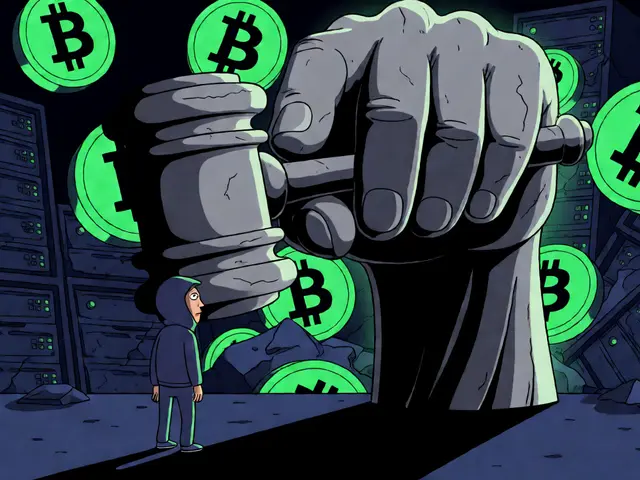
Imagine losing your life savings because you thought you were investing in a high-yield crypto opportunity. Now imagine that the people stealing your money are living in a fortified compound in Myanmar, protected by a local militia, and forcing trafficked workers to run the scam centers. This isn't a dystopian novel; it’s the reality behind the US sanctions on Myanmar crypto entities. In September 2025, the US Treasury dropped a hammer on nine specific companies operating out of Shwe Kokko, Burma, linking them directly to billions in losses for American citizens.
You might be wondering why this matters if you don’t trade Bitcoin or hold Ethereum. The truth is, these operations aren’t just about digital coins. They’re about human trafficking, forced labor, and a sophisticated network that launders money through Southeast Asia. If you’ve ever received a suspicious text message or an email promising easy returns on a new token, there’s a good chance those leads originated from one of these sanctioned compounds. Let’s break down exactly what happened, who is involved, and how this affects the broader crypto landscape.
The Scale of the Problem: $10 Billion Lost
Numbers often fail to capture the human cost of financial crime, but they do highlight the urgency. According to the US Department of the Treasury, Americans lost over $10 billion to Southeast Asia-based scams in 2024 alone. That figure is staggering. It represents not just wasted capital, but the erosion of trust in digital finance for millions of households.
The Treasury’s Office of Foreign Assets Control (OFAC) identified these losses as part of a "skyrocketing" trend. These aren’t random hackers guessing passwords. These are organized syndicates running industrial-scale fraud. The victims aren’t just tech-savvy investors; many are everyday people lured in by social media ads or dating apps, directed to fake investment platforms that look legitimate until it’s too late.
| Metric | Value/Description | Source Context |
|---|---|---|
| Total US Losses | $10+ Billion | Treasury Dept Estimate |
| Primary Hub | Shwe Kokko, Myanmar | KNA Protected Zone |
| Sanctioned Entities | 9 in Myanmar, 10 in Cambodia | OFAC Action Sept 2025 |
| Human Cost | Forced Labor / Modern Slavery | Trafficked Workers |
Who Is Behind the Sanctions? The Karen National Army Connection
To understand why these specific companies were hit, you have to look at who protects them. The sanctions didn’t just target shell companies; they targeted the Karen National Army (KNA), designated as a transnational criminal organization. The KNA controls the Shwe Kokko area along the Thai-Burmese border. This region operates with semi-autonomy, allowing criminal enterprises to thrive under military protection.
Key figures named in the sanctions include Saw Chit Thu, the leader of the KNA, and his sons, Saw Htoo Eh Moo and Saw Chit Chit. By sanctioning the leadership directly, the US government is cutting off their access to the global financial system. If these leaders want to move money through New York or London banks, they can’t. Their assets in the US are frozen, and any American business dealing with them faces legal penalties.
This strategy is smart because it attacks the ecosystem, not just the symptoms. The KNA provides security and infrastructure for the scam centers. In return, the scammers pay tribute. By breaking this link, the US aims to make the business model unsustainable.
How the Scams Actually Work
You might think these are simple phishing emails. They are far more complex. The typical flow involves a few stages:
- The Lure: Victims receive messages via WhatsApp, Telegram, or dating apps. The sender seems friendly, often building a rapport over weeks.
- The Hook: The scammer introduces a "guaranteed" investment opportunity, usually involving cryptocurrency or forex trading. They show fake dashboards with rising profits.
- The Squeeze: Once the victim invests real money, they are encouraged to add more to unlock higher tiers or withdraw funds. Small withdrawal fees or taxes are invented to keep the money flowing in.
- The Ghosting: Eventually, the platform freezes, or the support team disappears. The money is gone, transferred through a web of crypto wallets designed to obscure the trail.
The workers inside these compounds are often victims themselves. Trafficked from various countries, they are held against their will and forced to work long hours executing these scripts. If they refuse, they face violence. This dual layer of abuse-financial fraud against Americans and human rights abuses against the workers-is what prompted the State Department to label these operations as modern slavery.

The Legal Framework: Why Multiple Executive Orders?
You may notice the sanctions cite several different Executive Orders (E.O.). This isn’t bureaucratic clutter; it’s a strategic choice. Each order addresses a different aspect of the crime:
- E.O. 13851: Targets transnational criminal organizations.
- E.O. 13694: Addresses malicious cyber-enabled activities.
- E.O. 13818: Focuses on serious human rights abuses.
- E.O. 14014: Targets threats to Burma’s stability.
By using all four, the Treasury ensures that even if one legal avenue faces challenges, others remain valid. It also signals that the US views this as a multi-faceted threat: it’s a cybercrime, a human rights crisis, and a geopolitical issue affecting regional stability.
What This Means for Crypto Investors
If you hold cryptocurrency, does this affect your portfolio? Directly, probably not. The sanctioned entities are service providers and operators, not major exchanges like Coinbase or Binance. However, indirectly, it matters.
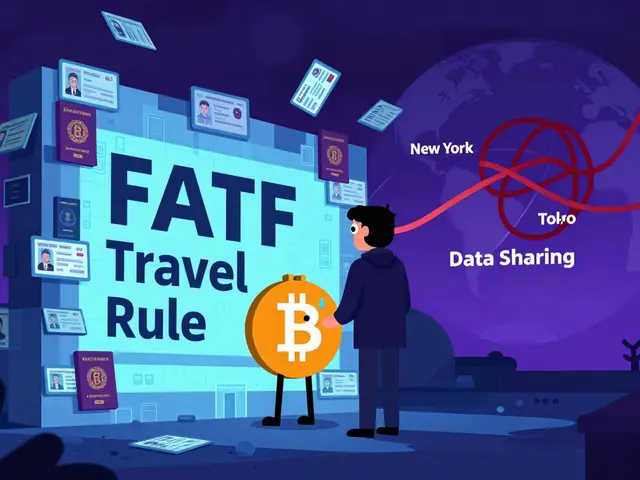
First, compliance costs for exchanges are rising. As regulators crack down on illicit flows, you might see stricter KYC (Know Your Customer) checks when moving large sums. Second, it highlights the importance of due diligence. If a new token or platform claims high yields with low risk, check where the company is registered. If it’s linked to Southeast Asian compounds with unclear ownership, proceed with caution.
Furthermore, this action demonstrates that governments are getting better at tracing crypto transactions. The anonymity of blockchain is often overstated. With enough data and cooperation between agencies like the FBI and international partners, authorities can map out complex networks. This means criminals are finding it harder to hide, which should eventually lead to fewer successful scams.
Beyond Myanmar: The Cambodian Link
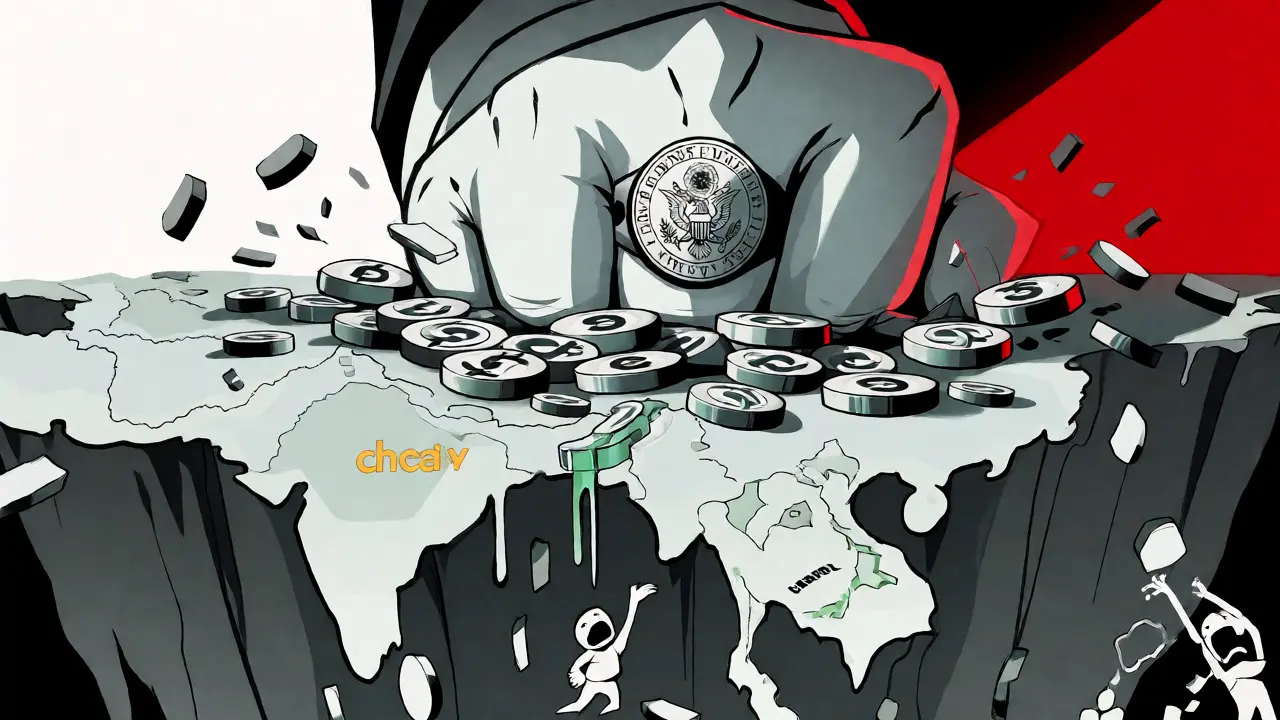
It’s important to note that the sanctions weren’t limited to Myanmar. Ten additional targets based in Cambodia were also hit. This shows that the criminal networks are transnational. Money stolen in the US might be laundered in Cambodia, while the operational base is in Myanmar. The physical separation makes enforcement tricky, but the financial links are clear.
Cambodia has long been a hub for online gambling and increasingly, for scam operations. The proximity to Thailand and the ease of cross-border movement allow these syndicates to shift bases quickly if pressure mounts in one country. The US action suggests a coordinated effort to disrupt the entire supply chain, from the recruitment centers to the money laundering hubs.
Future Implications and Enforcement
This isn’t a one-time event. The Treasury stated this builds on actions taken in previous months. Expect more designations in the future. As technology evolves, so do the scams. We might see shifts toward AI-driven chatbots or deeper integration with decentralized finance (DeFi) protocols to mask transactions.
For now, the message is clear: the US is willing to use its full economic power to combat these networks. For individuals, the best defense remains skepticism. If it sounds too good to be true, it probably originates from a place where rule of law is weak and profit is king.
What exactly did the US sanction in Myanmar?
The US Treasury’s OFAC sanctioned nine entities operating in Shwe Kokko, Myanmar, along with the Karen National Army (KNA) and its leaders. These groups are accused of running cyber scam centers that defraud Americans using cryptocurrency schemes.
How much money have Americans lost to these scams?
According to US government estimates cited by the Treasury Department, Americans lost over $10 billion to Southeast Asia-based cyber scams in 2024 alone.
Why was the Karen National Army targeted?
The KNA was designated as a transnational criminal organization because it provides military protection and infrastructure for the scam centers in Shwe Kokko, benefiting financially from the criminal activities.
Do these sanctions affect regular crypto traders?
Directly, no. Regular traders won’t lose their coins. However, it may lead to stricter compliance checks on exchanges and serves as a warning to be cautious with unfamiliar investment platforms linked to Southeast Asia.
Are only Myanmar entities sanctioned?
No. Alongside the nine Myanmar entities, ten additional targets based in Cambodia were also sanctioned, highlighting the cross-border nature of these criminal networks.