2025 Crypto Archive: Staking, Exchanges, Scams, and Regulations
When it comes to crypto staking, the process of earning rewards by locking up cryptocurrency to support a blockchain network. Also known as proof-of-stake participation, it became the go-to way for everyday users to earn passive income in 2025—not because of hype, but because real networks like Ethereum and Solana offered stable, predictable yields without the rug-pull risk of low-liquidity tokens. Meanwhile, crypto exchanges, platforms where users buy, sell, and trade digital assets. Also known as crypto trading platforms, were under more scrutiny than ever. Regulators in the UK, Korea, and Vietnam cracked down on unlicensed operators, while scams like BTX Pro and Armoney popped up with fake websites, fake customer support, and fake promises. These weren’t random failures—they were predictable outcomes of poor oversight and user ignorance.
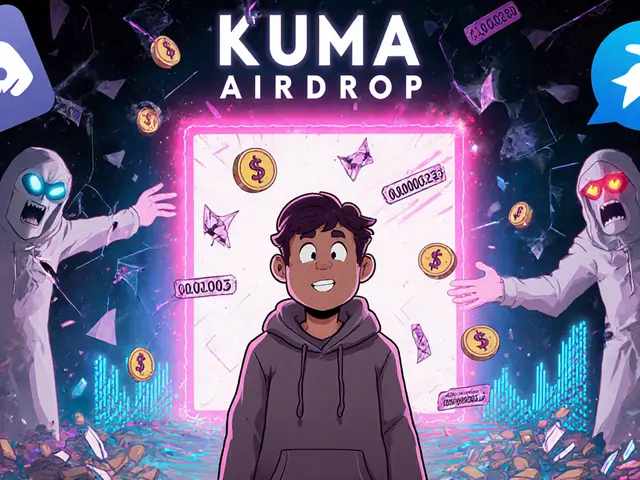
Across November 2025, the most common theme wasn’t price spikes or new blockchains—it was survival. People weren’t chasing the next meme coin; they were trying to avoid losing money to SBAE, ZEUS, or fake airdrops like KCCSwap, which didn’t even exist. At the same time, legitimate DeFi platforms like Ref Finance and VVS Finance quietly grew by offering real tools: low fees, fast swaps, and clear documentation. Regulatory updates from the FCA and HM Treasury forced firms to be honest about risk, while countries like Nigeria and Indonesia moved toward legal clarity—not perfection, but progress.
This archive doesn’t sell you dreams. It shows you what actually happened. You’ll find deep dives into the best staking options that still worked in late 2025, reviews of exchanges that were safe to use, and sharp breakdowns of the scams that tried to steal money from people who didn’t know better. You’ll see how airdrops like SoccerHub and BinaryX played out—not with hype, but with facts. And you’ll learn how regulations in the UK, Vietnam, and Bangladesh changed the game for real users. No fluff. No promises. Just what you need to know before you stake, trade, or click "claim" on the next token.