Finance & Crypto: Real-World Rules for Crypto Taxes, Mining, and Trading
When you're dealing with Finance & Crypto, the intersection of traditional financial systems and blockchain-based assets like Bitcoin and Ethereum. Also known as crypto finance, it's not about theory—it's about what happens when your crypto rewards hit your wallet and the tax man asks for proof. This isn't speculation. It's paperwork, reporting, and real costs.
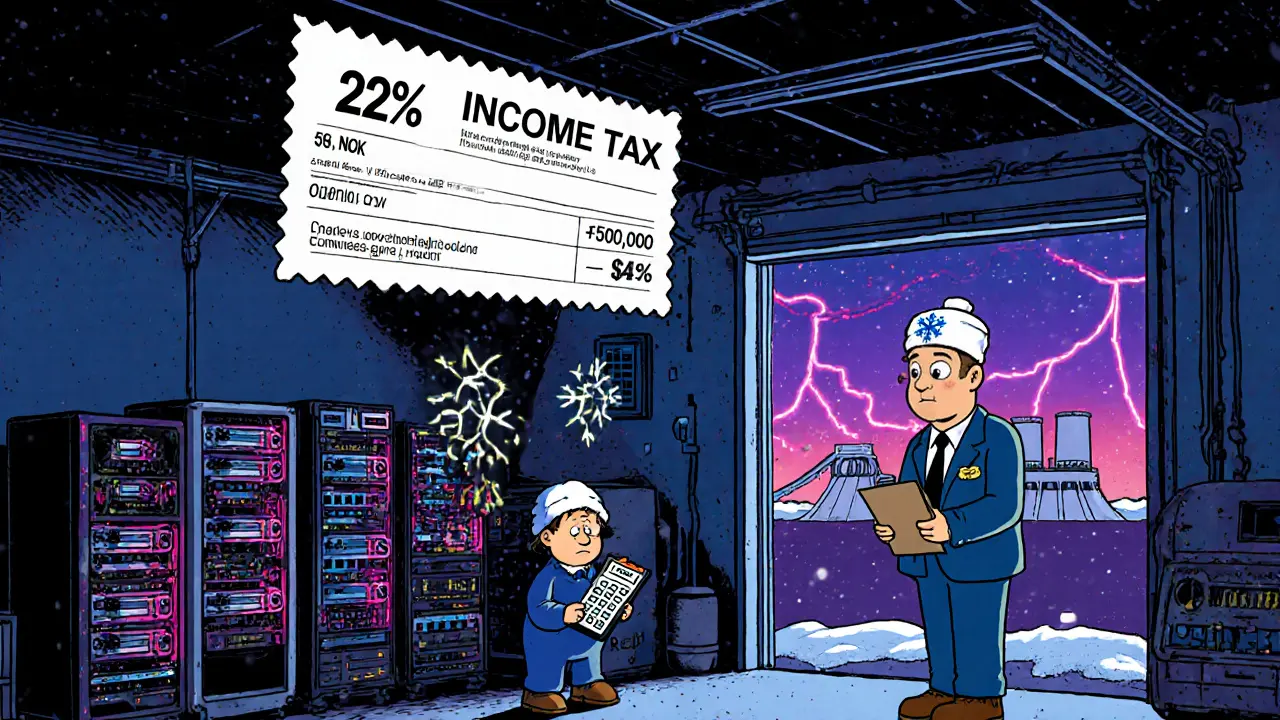
Take crypto mining, the process of validating blockchain transactions and earning new coins as a reward. Also known as proof-of-work mining, it's not free money. In Norway, miners pay 22% income tax on every coin they earn. But here’s the catch: you can deduct the cost of your mining rig and your electricity bill. That’s not a loophole—it’s how the tax code treats it as a business expense. If you’re running a miner in your basement, you’re running a small business, and the rules reflect that. And it’s not just Norway. Countries like Germany, Canada, and Australia all treat crypto mining as taxable income, but only a few let you write off hardware and power. Knowing where you stand saves you thousands.
crypto tax, the obligation to report gains, income, or trades involving digital assets to tax authorities. Also known as cryptocurrency taxation, it’s one of the most misunderstood parts of Finance & Crypto. People think if they don’t cash out, they don’t owe anything. Wrong. Every trade—from BTC to ETH, from ETH to USDT—is a taxable event. Even if you just swapped one coin for another. Norway doesn’t give special breaks. No tax holidays. No mining incentives. Just straight income tax on rewards and capital gains on sales. If you’re holding crypto, you’re already in the system.
Finance & Crypto isn’t just about prices going up or down. It’s about what you do with your coins after you get them. Are you staking? Trading? Sending to a friend? Each action has a different tax impact. And it’s not just about taxes. It’s about knowing which exchanges report to authorities, which wallets are traceable, and how to keep clean records without hiring an accountant who charges $200 an hour.
What you’ll find here
You won’t find fluff about ‘the future of money’ or hype about the next 100x coin. You’ll find real, current, and actionable details—like how Norway’s 22% crypto tax rule actually plays out in 2025, what expenses you can legally deduct, and why your electricity bill matters more than your wallet balance. These aren’t guesses. They’re based on official guidelines, real miner reports, and tax filings. If you’re mining, trading, or just holding crypto, this is the stuff that keeps you out of trouble.