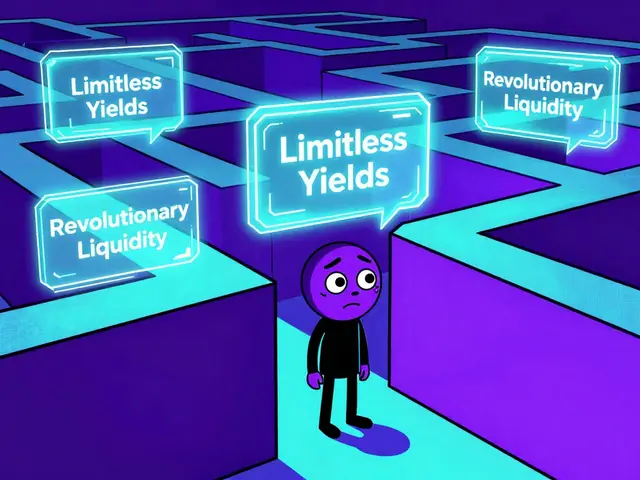
So, you want to move Bitcoin through a Cypriot bank? Or maybe you're running a startup there and your accountant just told you the rules changed again. If you've tried to open a corporate account for a crypto business in Nicosia or Limassol recently, you know it's not as simple as walking in with a passport and a smile. The days of loose oversight are gone. As of late 2025 and heading into 2026, Cyprus banking restrictions on cryptocurrency transactions have tightened significantly under new EU-aligned frameworks. It’s a balancing act between staying attractive to tech investors and satisfying Brussels' demand for strict anti-money laundering controls.
The New Reality: MiCA and National Laws Collide
Let's cut through the legal jargon. The core issue isn't that crypto is banned-it isn't. The problem is how banks interact with it. Since the full implementation of the EU's Markets in Crypto-Assets (MiCA) regulation, which staggered its final phases through late 2024, Cyprus has had to align its national laws with these strict standards. This wasn't just a suggestion; it was mandatory. The Amending Law published in June 2025 explicitly brought Crypto-Asset Service Providers (CASPs) under the same roof as traditional financial institutions when it comes to scrutiny.
What does this mean for you? It means if you're sending more than €1,000 in crypto, the "Travel Rule" kicks in hard. Banks can no longer just process the transfer blindly. They need to verify who sent it and who received it, right down to the wallet address details. If that data doesn't travel with the money, the transaction gets flagged or blocked. It’s like airport security for your digital assets. You might think, "But I'm just moving my own funds," but the bank sees a risk vector they have to document. Non-compliance isn't cheap either; penalties can hit 10% of annual turnover or up to €5 million. That’s enough to make any CFO sweat.
Who Is Watching? CySEC vs. The Central Bank
You might be wondering who actually calls the shots here. It’s a bit of a two-headed monster. On one side, you have the Cyprus Securities and Exchange Commission (CySEC), which oversees most crypto exchanges and service providers. By mid-2025, they had registered over 87 CASPs. If you want to operate legally as an exchange or custodian, you’re dealing with them. They check your capital requirements, your internal policies, and whether you actually train your staff on compliance.
| Entity | Primary Responsibility | Impact on Banking |
|---|---|---|
| CySEC | Licensing and supervision of CASPs | Determines if your counterparty is licensed |
| Central Bank of Cyprus (CBC) | Oversight of Electronic Money Tokens (EMTs) and payment systems | Sets guidelines for bank-crypto interactions |
| MOKAS | Financial Intelligence Unit | Receives suspicious activity reports from banks |
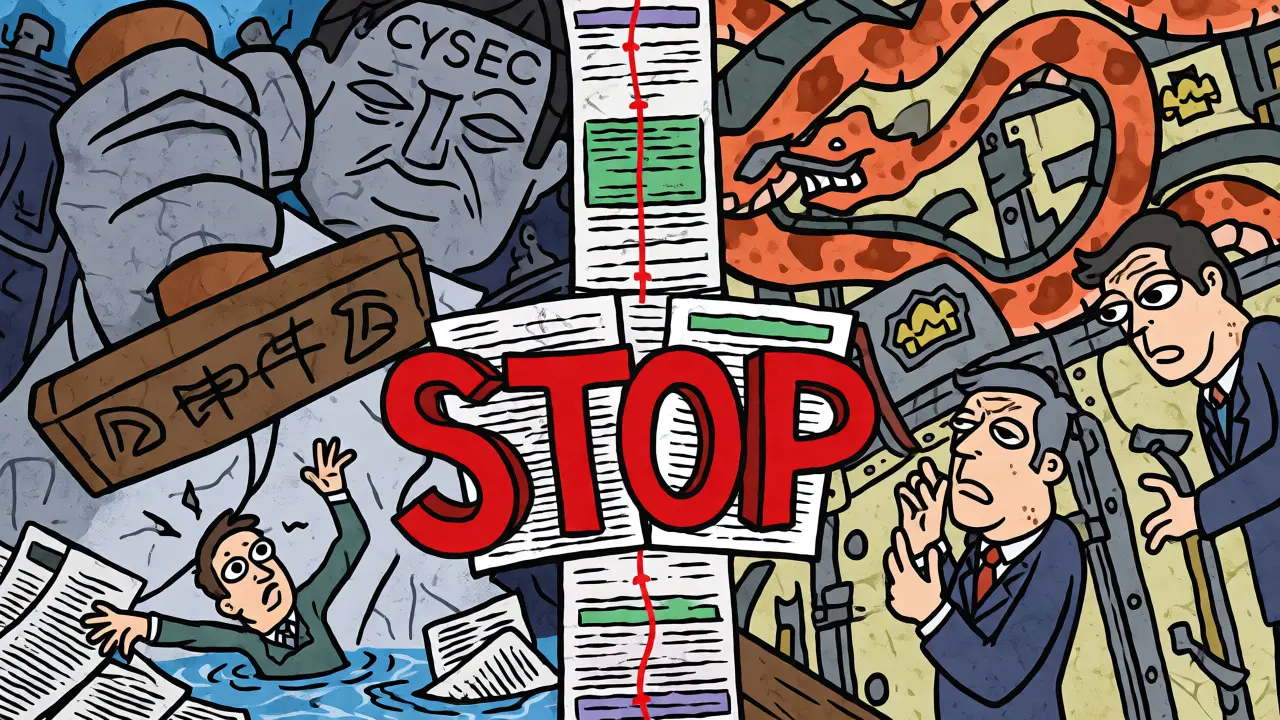
On the other side, the Central Bank of Cyprus (CBC) holds the keys to the banking system itself. They’ve been vocal about their stance: cryptocurrency is not legal tender. Period. While they aren’t banning people from owning Bitcoin, they require traditional banks to exercise extreme caution. The CBC mandates that banks maintain detailed audit trails for every crypto-related transaction. If a bank suspects a client is using a self-hosted wallet (like MetaMask or Ledger) without proper verification, they must apply enhanced due diligence. This dual-regulatory structure creates a complex maze where you need to satisfy both market conduct rules and monetary stability concerns.
The Practical Hurdles: Why Your Transfer Got Rejected
Here’s the frustrating part for many users: even if you follow all the rules, your bank might still say no. Recent surveys suggest nearly 68% of crypto businesses in Cyprus struggle to establish smooth banking relationships. Why? Because banks are risk-averse by nature, and the regulatory pressure makes them err on the side of caution. When you try to deposit fiat currency into a crypto exchange via a Cypriot bank, the bank performs real-time beneficiary verification. This adds 15-20 seconds to each transaction, which sounds minor until you’re doing high-frequency trading or bulk payments.
Moreover, the definition of "financial institution" now includes CASPs. This means your bank treats your crypto exchange partner almost like another bank. They need to verify that the exchange is properly licensed by CySEC. If you’re trying to send money to an unregistered or offshore entity, expect delays. The bank has to ask: "Is this safe? Is this compliant? Do we understand where this money came from?" If the answers aren't crystal clear, the wire stops. The establishment of the National Sanctions Unit in 2025 further centralized this oversight, meaning sanctions screening against EU and UN lists is now automated and rigorous.

Taxation: The Silver Lining
If the banking hurdles feel heavy, here’s some good news: the tax situation remains surprisingly favorable. Unlike Germany or France, which have stricter interpretations and sometimes harsher reporting burdens, Cyprus does not charge capital gains tax on the sale or exchange of cryptocurrencies for individuals. This policy hasn't changed despite the tightening of banking rules. For traders and long-term holders, this is a massive advantage. You pay income tax if you’re trading as a business, but personal investment profits generally escape the capital gains net.
However, don't get complacent. A broader tax reform process initiated in 2025 aims to formally recognize crypto trading in various contexts. While the headline rate for personal gains remains zero, the administrative burden of proving that your activity is "investment" rather than "business" has increased. Keep meticulous records. With MOKAS receiving over 1,200 suspicious transaction reports since the Travel Rule enforcement began, regulators are watching closely. If your pattern looks like day-trading but you claim it’s investing, you might face questions during an audit.
Future Outlook: Stricter Compliance, Better Infrastructure
Where is this going? By 2027, industry analysts predict that 95% of crypto transactions in Cyprus will flow through registered, supervised CASPs. The era of gray-market operations is ending. The EU’s push for instant payments in euros by 2027 will also reshape how crypto interacts with fiat rails. Expect faster settlement times, but only if you’re fully compliant. The European Banking Authority continues to issue guidance to ensure consistency across member states, so what applies in Cyprus today will likely become standard across the EU tomorrow.
For businesses, the takeaway is clear: integrate compliance early. Don't wait for your first bank rejection to build your AML framework. Use tools that automate Travel Rule data collection. Engage with CySEC’s Innovation Hub if you’re stuck-they’ve helped hundreds of startups navigate these waters. And remember, while the restrictions are tight, they provide legitimacy. Once you’re through the gate, you have access to the entire EU market with a trusted status.
Is cryptocurrency legal tender in Cyprus?
No. The Central Bank of Cyprus explicitly states that cryptocurrencies are not legal tender. This means merchants are not obligated to accept them, and banks treat them as distinct from traditional currency, requiring extra verification steps for transactions involving them.
Do I pay capital gains tax on crypto in Cyprus?
Generally, no. Individuals selling or exchanging cryptocurrencies for personal investment purposes do not pay capital gains tax in Cyprus. However, if you trade frequently or run a business involving crypto, you may be subject to corporate or income tax instead.
What is the Travel Rule in Cyprus?
The Travel Rule requires that for crypto transactions exceeding €1,000, identity information of both the sender and receiver must accompany the transfer. Banks and exchanges must verify this data before processing the transaction to prevent money laundering.
Why do banks reject crypto transfers?
Banks often reject transfers due to incomplete KYC (Know Your Customer) data, lack of clarity on the source of funds, or if the counterparty is not a registered CASP. Enhanced due diligence is required for self-hosted wallets, which can cause delays or rejections if documentation is missing.
Who regulates crypto companies in Cyprus?
The Cyprus Securities and Exchange Commission (CySEC) is the primary regulator for Crypto-Asset Service Providers (CASPs). The Central Bank of Cyprus oversees electronic money tokens and general payment system stability.