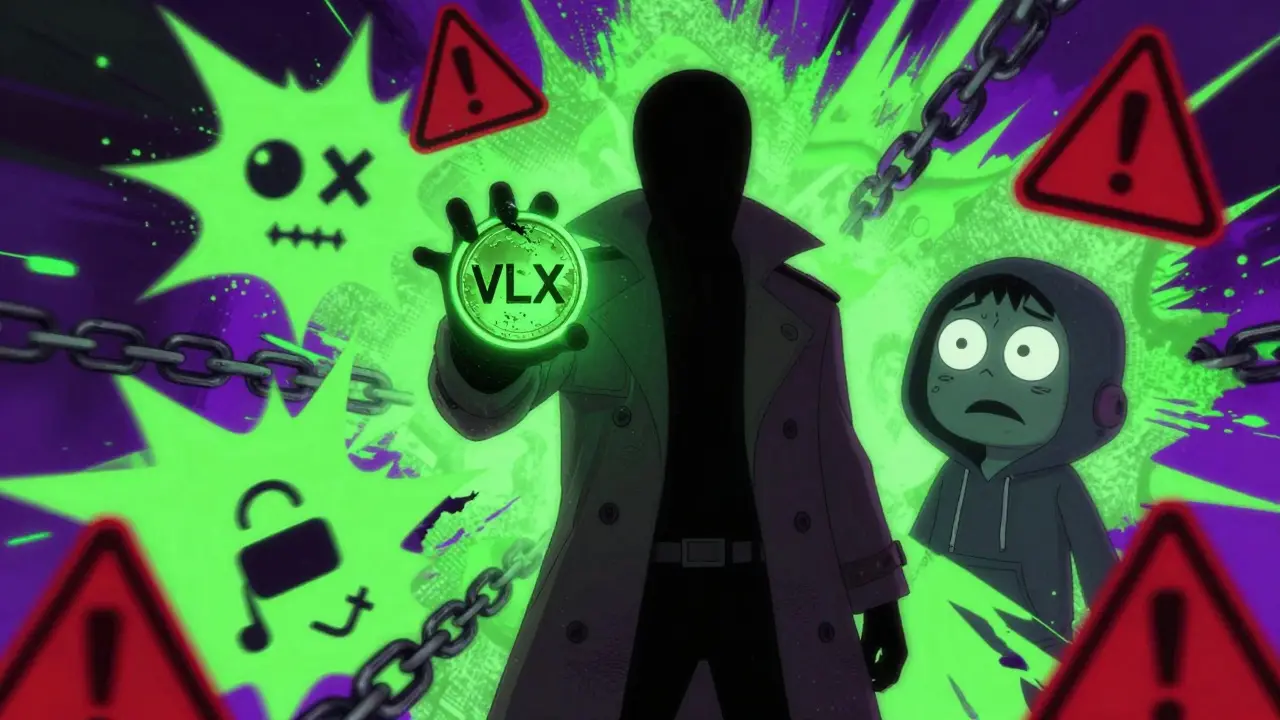
You’ve likely seen the bold claims popping up across social media and Telegram groups. The headlines scream about a massive "GRAND" airdrop for Velas (VLX), promising free tokens to anyone who signs up today. It sounds too good to be true, doesn't it? In the world of cryptocurrency, if something sounds too good to be true, it almost always is.
Here is the hard truth you need to hear right now: As of mid-2026, there is no official evidence of a legitimate "GRAND" airdrop from the Velas Foundation. This specific campaign appears to be a sophisticated phishing attempt designed to steal your private keys or trick you into paying fees for worthless tokens. Understanding how these scams work is the only way to protect your wallet and your savings.
The Reality Behind the "Velas GRAND Airdrop" Claims
Let’s cut through the noise. The Velas Protocol is a real blockchain project known for its high-speed transaction capabilities and low costs. However, the project team has not announced any event matching the description of a "GRAND" airdrop in recent months. When you see websites claiming otherwise, they are impersonating the brand.
Scammers often use names that sound impressive or generic, like "Grand," "Mega," or "Global," to create a sense of urgency and scale. They rely on your excitement about getting free money to bypass your critical thinking. These fake sites look nearly identical to the official Velas website, using the same logos, color schemes, and even copied text from old blog posts. But the URL will be different-often using misspellings like "velas-airdrop.com" instead of the official domain.
If you have already interacted with one of these sites, do not panic yet, but act immediately. Check your wallet connection logs. If you signed a transaction on an unknown site, revoke permissions using tools like Revoke.cash. Never enter your seed phrase or private key anywhere online. Legitimate projects never ask for this information.
How Crypto Airdrop Scams Actually Work
To spot a scam, you need to understand the playbook scammers use. These operations are industrialized; they aren't just lone hackers typing code in a dark room. They are marketing campaigns built on deception.
- The Hook: You see an ad on Twitter, TikTok, or a pop-up on a news site. It promises thousands of dollars worth of VLX tokens for free.
- The Landing Page: You click the link and land on a professional-looking site. It asks you to connect your wallet (like MetaMask or Trust Wallet).
- The Trap: Once connected, the site may ask you to perform a small task, like sending a tiny amount of ETH or BNB to "verify" your address. Or, worse, it prompts you to sign a malicious contract that grants them permission to drain your entire balance.
- The Exit: After you comply, the site disappears, or the tokens you receive are worthless spam tokens that clog your wallet interface.
This pattern repeats across hundreds of fake airdrops every week. The difference with the "Velas GRAND" claim is the specific branding used to target Velas holders who are loyal to the ecosystem. Scammers know that existing holders are more likely to trust a branded offer than a random stranger.
Red Flags: How to Spot a Fake Airdrop Instantly
You don’t need to be a cybersecurity expert to identify a threat. Look for these common warning signs before you click anything:
- Urgency Tactics: Phrases like "Claim within 24 hours" or "Limited spots available" are designed to make you act without thinking. Real distribution events last weeks or months.
- Poor Grammar and Spelling: Even if the design looks good, read the fine print. Scammers often hire non-native speakers or use automated translation tools, leading to awkward phrasing.
- Unverified Social Media Accounts: Check the Twitter or Telegram links provided. Are they verified by the platform? Do they have a long history of activity, or were they created last month?
- Requests for Fees: A true airdrop is free. If you have to pay gas fees beyond standard network costs, or if you’re asked to send funds to a specific address to "unlock" rewards, it is a scam.
- Generic Email Addresses: Official communications come from domains owned by the company (e.g., @velas.io). Be wary of emails from Gmail, Yahoo, or Outlook accounts.
Verifying Legitimate Velas Announcements
So, how do you stay updated on real opportunities without falling for fakes? The answer lies in sticking to primary sources. Secondary sources like news aggregators or random influencers can spread misinformation, either accidentally or intentionally.
Always check the official Velas Foundation channels first. Their verified Twitter account, official Discord server, and governance forum are the only places where legitimate updates will appear. If an airdrop is real, it will be discussed extensively in these communities days before launch.
Additionally, use block explorers to verify token contracts. If you receive tokens unexpectedly, check their contract address on a reputable explorer like Etherscan or BscScan. If the token has zero liquidity, no verified source code, or was deployed recently by an unknown entity, do not interact with it. You can safely ignore or filter these tokens in your wallet settings to keep your view clean.
Safeguarding Your Digital Assets in 2026
As we move further into 2026, the sophistication of cyber threats continues to evolve. Protecting your crypto assets requires a layered approach to security. Here are practical steps to secure your holdings against both scams and hacks:
| Security Measure | Why It Matters | Action Step |
|---|---|---|
| Hardware Wallets | Keeps private keys offline, immune to remote hacking. | Use devices like Ledger or Trezor for significant holdings. |
| Multi-Factor Authentication (MFA) | Adds a second layer of verification for account access. | Enable MFA on all exchange and email accounts. |
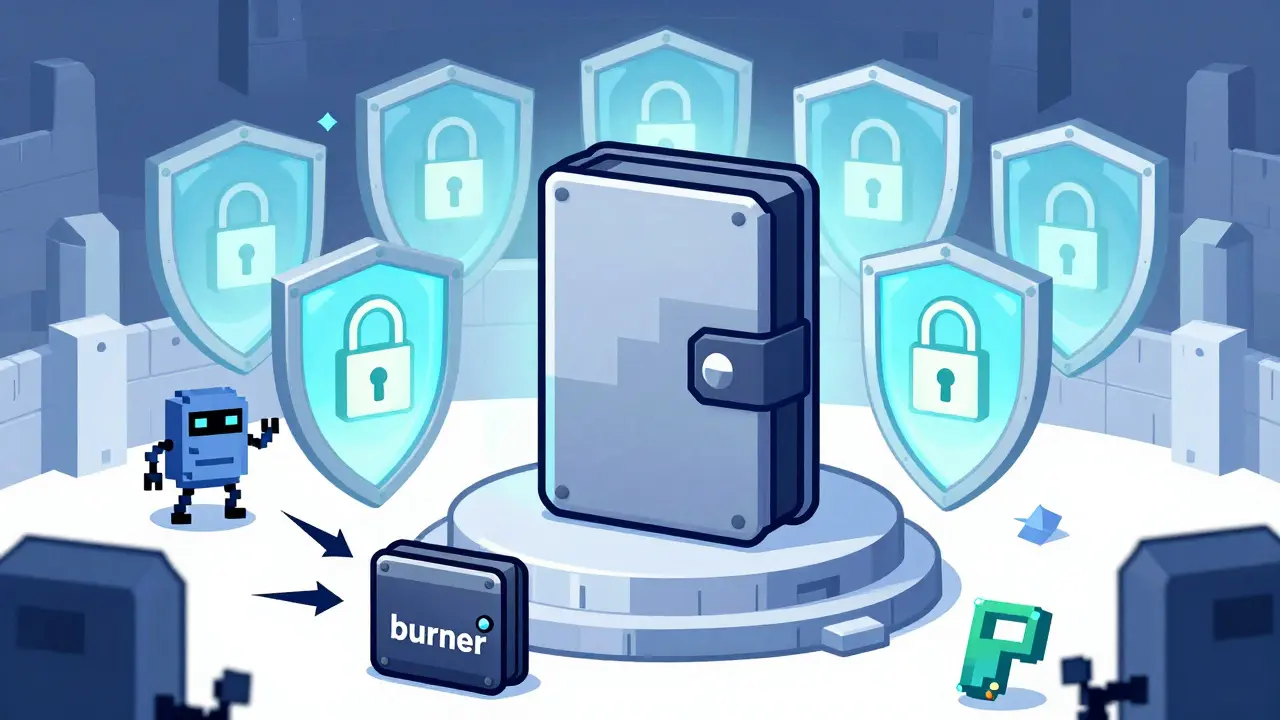
| Burner Wallets | Isolates risky interactions from main funds. | Connect a separate wallet with minimal funds to new dApps. |
| Permission Revocation | Prevents compromised apps from draining funds later. | Regularly audit approvals on Revoke.cash. |
One of the most effective habits you can build is using a "burner wallet." This is a secondary wallet that contains only the small amount of crypto needed for interacting with new or untrusted decentralized applications. If you suspect a site might be malicious, connect your burner wallet. If it turns out to be a scam, you lose only the small balance in that wallet, while your main holdings remain safe in a hardware device.
What to Do If You’ve Already Fallen for a Scam
Mistakes happen. If you realize you’ve sent funds to a scammer or signed a malicious contract, time is critical. Unfortunately, blockchain transactions are irreversible, meaning you cannot simply call customer support to get your money back. However, you can limit further damage.
First, disconnect your wallet from the malicious site immediately. Then, move any remaining assets from that wallet to a fresh, secure wallet. Generate a new seed phrase for the new wallet and never reuse the old one. If you shared your seed phrase, assume those funds are lost forever.
Report the incident to relevant authorities. While recovery is unlikely, reporting helps law enforcement track patterns and shut down larger operations. Include details like the URL, transaction hash, and any communication records. Platforms like CoinGecko and CoinMarketCap also have community sections where you can warn others about specific scam URLs.
Understanding Real Token Distribution Models
It’s important to distinguish between scams and legitimate token distributions. Projects like Velas do distribute tokens, but they follow transparent, audited processes. These usually involve:
- Liquidity Mining: Providing liquidity to pools in exchange for rewards over time.
- Governance Participation: Earning tokens by voting on proposals or staking existing holdings.
- Ecosystem Grants: Distributing funds to developers building on the network.
None of these require you to visit a suspicious third-party website or pay upfront fees. They are integrated directly into the official protocol interfaces. Always verify that you are on the correct URL before interacting with any smart contract. Bookmark the official dashboard so you can navigate directly to it rather than searching via links.
Is the Velas GRAND airdrop legitimate?
No, there is no official record of a "GRAND" airdrop from the Velas Foundation. This appears to be a phishing scam designed to steal user funds. Always verify announcements through official Velas social media channels.
How can I tell if a crypto airdrop is a scam?
Look for red flags such as requests for upfront fees, urgent deadlines, poor grammar, and unverified social media accounts. Legitimate airdrops never ask for your private key or seed phrase.
What should I do if I connected my wallet to a fake airdrop site?
Immediately disconnect your wallet, revoke any granted permissions using a tool like Revoke.cash, and transfer remaining funds to a new, secure wallet. Never reuse the compromised wallet's seed phrase.
Where can I find official Velas announcements?
Official updates are posted on the Velas Foundation's verified Twitter account, Discord server, and governance forum. Avoid relying on third-party links or unverified influencers.
Can I recover funds lost to a crypto airdrop scam?
Blockchain transactions are generally irreversible. While recovery is rare, you should report the incident to local authorities and platform moderators to help prevent future victims.