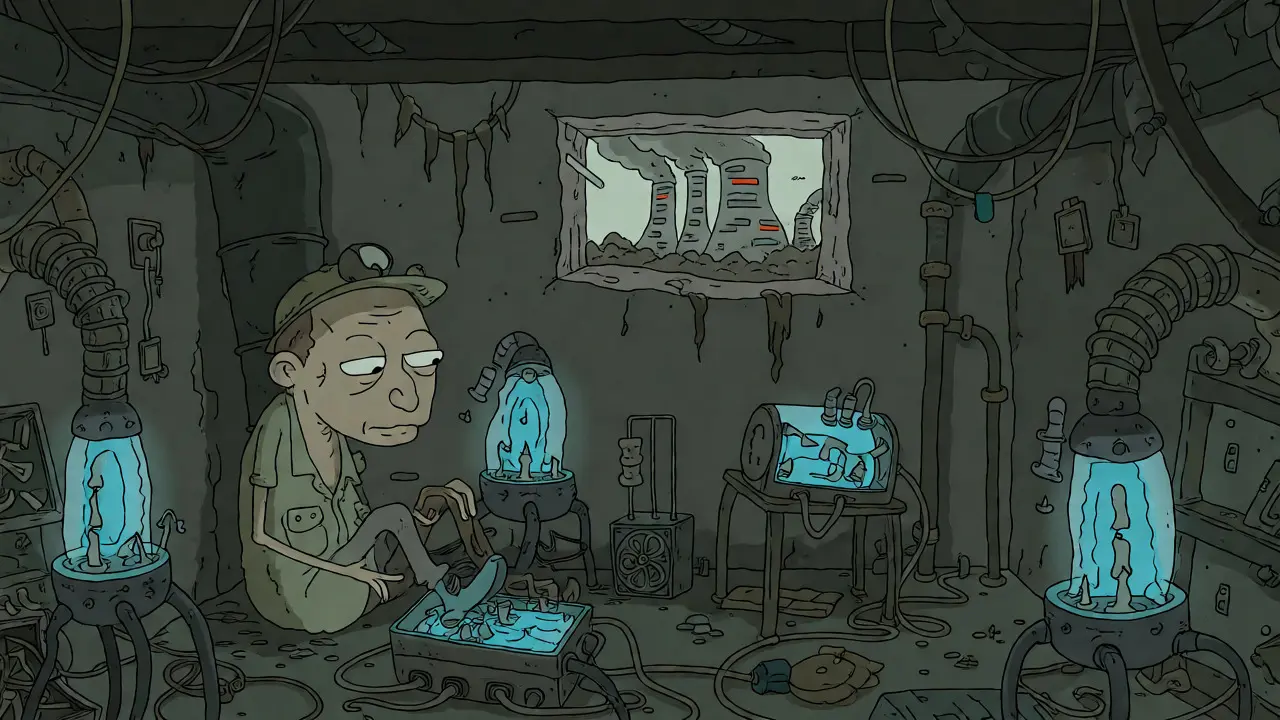
Imagine earning €2,000 a month in a country where the average salary is a fraction of that. For some miners in northern Kosovo, this wasn't a dream-it was reality. Then, overnight, it vanished. In January 2022, Kosovo slapped a total ban on cryptocurrency mining, citing a severe energy crisis. But here’s the twist: the ban didn’t kill mining; it just changed the rules. If you’re wondering why a small nation with 1.8 million people made global headlines for shutting down digital gold production, or if you’re a miner looking to navigate the new legal landscape, you need to understand the story behind the switch.
| Aspect | Details |
|---|---|
| Ban Date | January 4, 2022 |
| Primary Cause | Energy crisis and grid instability |
| Current Status (2026) | Permitted only with alternative energy sources |
| Enforcement | Police raids and equipment confiscation |
| Legal Framework | Draft law under review by European Commission |
The Perfect Storm: Why Kosovo Hit the Panic Button
To get why this happened, you have to look at the grid. Kosovo relies heavily on coal-fired power plants. When one of its two main plants shut down for maintenance in late 2021, the national electrical grid buckled. The government declared a 60-day state of emergency. It wasn't just about lights flickering; it was about keeping the country running during winter. Enter cryptocurrency mining. Because electricity in Kosovo had been heavily subsidized-and often effectively free for those who knew how to bypass meters-mining became incredibly lucrative. Miners were pulling massive amounts of power from the grid to solve complex mathematical puzzles for Bitcoin and other Proof-of-Work coins. This extra load pushed an already fragile system to the brink of collapse.
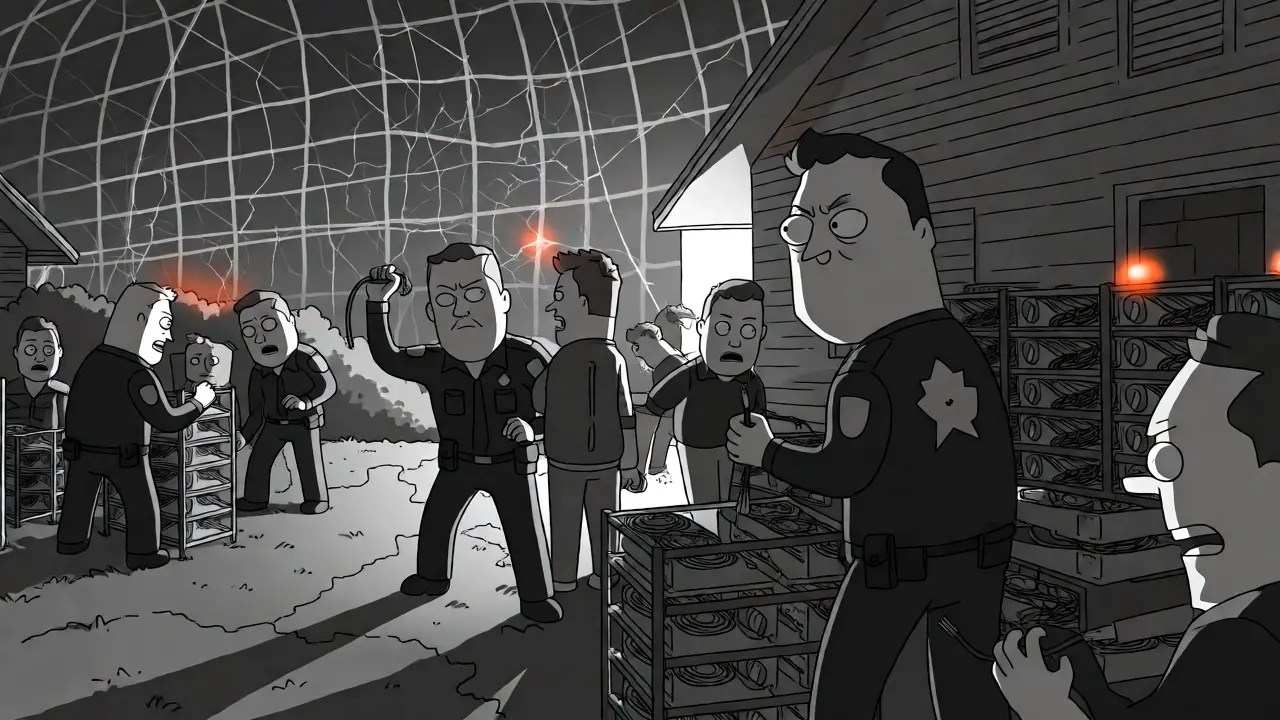
Acting Economy Minister Artane Rizvanolli made the call. On January 4, 2022, the Technical Committee for Emergency Measures recommended an immediate halt to all cryptocurrency production. The logic was straightforward: save the grid, stop the mining. Police forces launched raids across the country, particularly targeting the northern Serb enclaves where illegal connections were rampant. They confiscated hundreds of high-tech rigs, valued between €20,000 and €30,000 per operation. For many, it felt like a crackdown on innovation. For the government, it was triage.
The Economics of Free Electricity and Illegal Connections
Why did miners flock to Kosovo in the first place? Simple math. In most Western countries, electricity costs money-real money. In parts of Kosovo, especially in the north, electricity theft was widespread. A miner named Dragan (a pseudonym used in reports) told journalists he was making up to €2,000 monthly. That’s roughly five times the average income in what remains one of Europe's poorest regions. These operations weren't always industrial-scale farms; many were home setups using specialized ASICs (Application-Specific Integrated Circuits) humming away in basements.
This created a weird paradox. The economy benefited from the influx of cash, but the infrastructure suffered. The ban targeted these "free" riders. By stopping mining, the government aimed to reduce strain on the universal public grid. However, critics argued that the real issue wasn't mining itself, but the lack of proper metering and fair pricing. Banning mining treated the symptom, not the disease. Still, the immediate effect was clear: the grid stabilized, and blackouts decreased.
From Total Ban to Conditional Permission
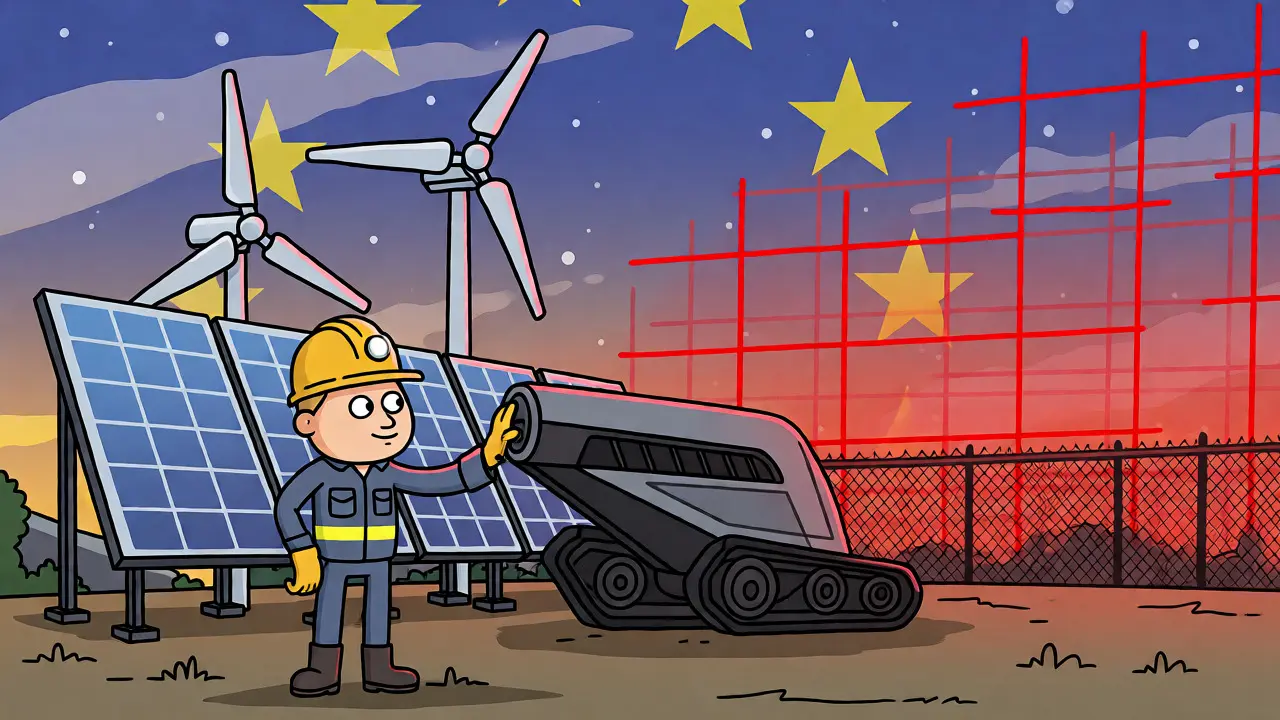
If you think the ban meant the end of crypto in Kosovo, you’d be wrong. The situation evolved. As of 2025 and into 2026, the strict prohibition has softened into a conditional framework. The core rule remains: you cannot mine using electricity from the universal public grid. But you can mine if you use alternative energy sources. This shift reflects a pragmatic approach. The government realized that banning technology outright stifles potential economic growth, but allowing it to drain the public grid is unsustainable.
Mimoza Kusari-Lila, who chaired the parliamentary working group on crypto legislation, clarified this stance. She emphasized that the goal isn't to block digital assets but to regulate them. The current legal environment permits mining when powered by solar, wind, or other independent sources. This aligns with broader efforts to liberalize the energy market. Essentially, if you generate your own power, you’re welcome to mine. If you plug into the national grid, you’re out of luck. This distinction aims to encourage green energy adoption while protecting public infrastructure.
The Legislative Gap and European Influence
Here’s where it gets tricky. When the ban started, Kosovo didn’t actually have specific laws regulating cryptocurrency mining. The government acted on emergency powers because there was no existing legal framework to enforce standard regulations. Legal experts pointed out this authority gap immediately. You can’t really enforce a law that doesn’t exist yet, right?
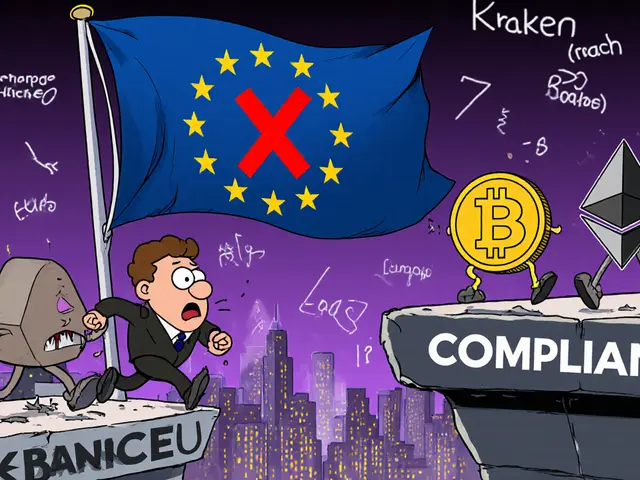
Since then, lawmakers have been scrambling to draft comprehensive legislation. Jeta Statovci, vice-president of the parliamentary Committee for Industry, Economy, Entrepreneurship and Trade, noted that the draft law is about 90% complete. But it’s stuck in limbo. Why? The European Commission stepped in. Brussels sent advisers to review the draft, focusing heavily on anti-money laundering (AML) compliance. They want to ensure Kosovo’s rules match European best practices before finalizing the law. This delay highlights the tension between local emergency responses and international regulatory standards. Until this law passes, the sector operates in a gray area, guided by executive orders rather than robust statutes.
Global Context: Is Kosovo Alone?
Kosovo isn't the only country playing hardball with miners. Look at China. In 2021, Beijing crushed nearly three-quarters of the world’s Bitcoin mining capacity due to energy and climate goals. Iran also implemented bans during peak demand seasons. According to University of Cambridge data, only 39% of electricity powering Bitcoin mining globally comes from renewables. The rest? Coal, gas, and oil. This environmental footprint makes policymakers nervous, especially in nations with limited resources.
Kosovo’s move fits this trend. It’s part of a growing list of jurisdictions prioritizing energy security over crypto profits. While the US and Europe debate carbon taxes and grid integration, smaller nations like Kosovo are taking drastic steps to protect their grids. The difference? Kosovo’s approach is evolving toward regulation, whereas some others remain in full prohibition mode. This makes Kosovo an interesting case study for other emerging markets facing similar energy constraints.
What This Means for Miners Today
If you’re considering mining in Kosovo now, do your homework. The days of plugging in a rig and ignoring the meter are over. You need proof of alternative energy sourcing. Solar panels? Wind turbines? Yes. Public grid connection? No. Enforcement remains active, with authorities monitoring for unauthorized consumption. The risk of equipment confiscation hasn’t disappeared entirely, though it’s less chaotic than the initial raids.
Also, keep an eye on the legislative progress. Once the new crypto law passes, expect clearer taxation frameworks and verification processes for imported equipment. The government wants to tax mining profits and track transactions. So, while the door isn’t closed, it’s definitely narrower and better guarded.
Is cryptocurrency mining currently banned in Kosovo?
No, it is not completely banned anymore. Since the initial emergency ban in 2022, the rules have changed. Mining is permitted only if it uses alternative energy sources (like solar or wind) and not the universal public electricity grid. Mining on the public grid remains prohibited.
Why did Kosovo ban crypto mining in 2022?
The ban was an emergency measure during a severe energy crisis. One of Kosovo's main coal-fired power plants shut down, causing grid instability. Cryptocurrency mining consumed significant electricity, exacerbating the shortage. The government halted mining to stabilize the national power supply.
What happens to miners who violate the ban?
Authorities conduct police raids and confiscate mining equipment. During the initial enforcement phase, hundreds of devices were seized. Fines and penalties may apply, and the legal framework is still being finalized to include specific punitive measures and taxation rules.
When will the new crypto law be passed in Kosovo?
The draft law is approximately 90% complete but faces delays due to reviews by the European Commission regarding anti-money laundering compliance. There is no fixed date for passage, but it is expected to provide a clearer regulatory framework for mining and digital asset trading once approved.
Can I use solar power to mine crypto in Kosovo?
Yes, the current regulatory stance allows mining if it utilizes alternative energy sources. Using solar, wind, or other non-grid electricity sources complies with the restrictions aimed at protecting the public electrical infrastructure.