Did you know that one of Polkadot’s most promising decentralized finance platforms is currently operating with a fraction of its former liquidity? If you are looking at Parallel Finance as your next crypto move, you need to pause. This isn't just another standard review of features and fees. It is a look at a platform that has undergone a severe contraction, leaving many users stranded and trust shattered.
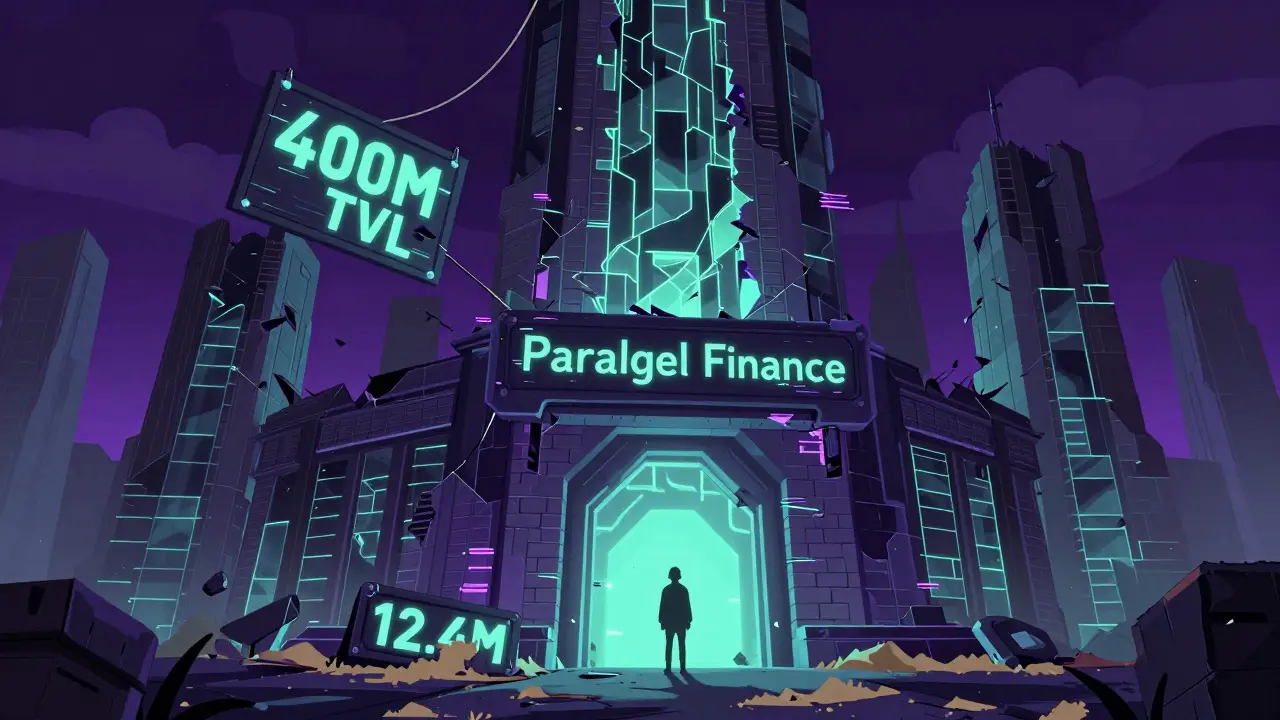
Parallel Finance was once a heavyweight in the Polkadot ecosystem, boasting nearly $400 million in total value locked (TVL) back in 2021. Today, that number sits around $12.4 million. The platform shifted from a vibrant hub for lending, borrowing, and NFT trading to a stripped-down lending protocol after shutting down its NFT services in August 2024. For anyone considering depositing assets here in 2026, understanding this history is not optional-it is critical for risk management.
The Quick Reality Check: What Is Parallel Finance?
First, let’s clear up a common misconception. Parallel Finance is not a centralized exchange like Coinbase or Binance. You do not create an account with email and password, nor does the company hold your keys. Instead, it is a decentralized finance (DeFi) protocol built on the Polkadot network using the Substrate framework.
Its core function revolves around two main pillars:
- Lending and Borrowing: Users can supply assets like DOT or PARA to earn interest or borrow against them.
- Dynamic Swap: An automated market maker (AMM) that allows trading between assets without order books, similar to Uniswap but native to Polkadot.
The platform uses a "constant product" formula ($x \times y = k$) for its swaps, which is standard for AMMs. However, unlike traditional exchanges, there is no customer support hotline if things go wrong. You interact directly with smart contracts. This non-custodial nature means you have full control, but also full responsibility.
The Turning Point: The 2024 NFT Shutdown
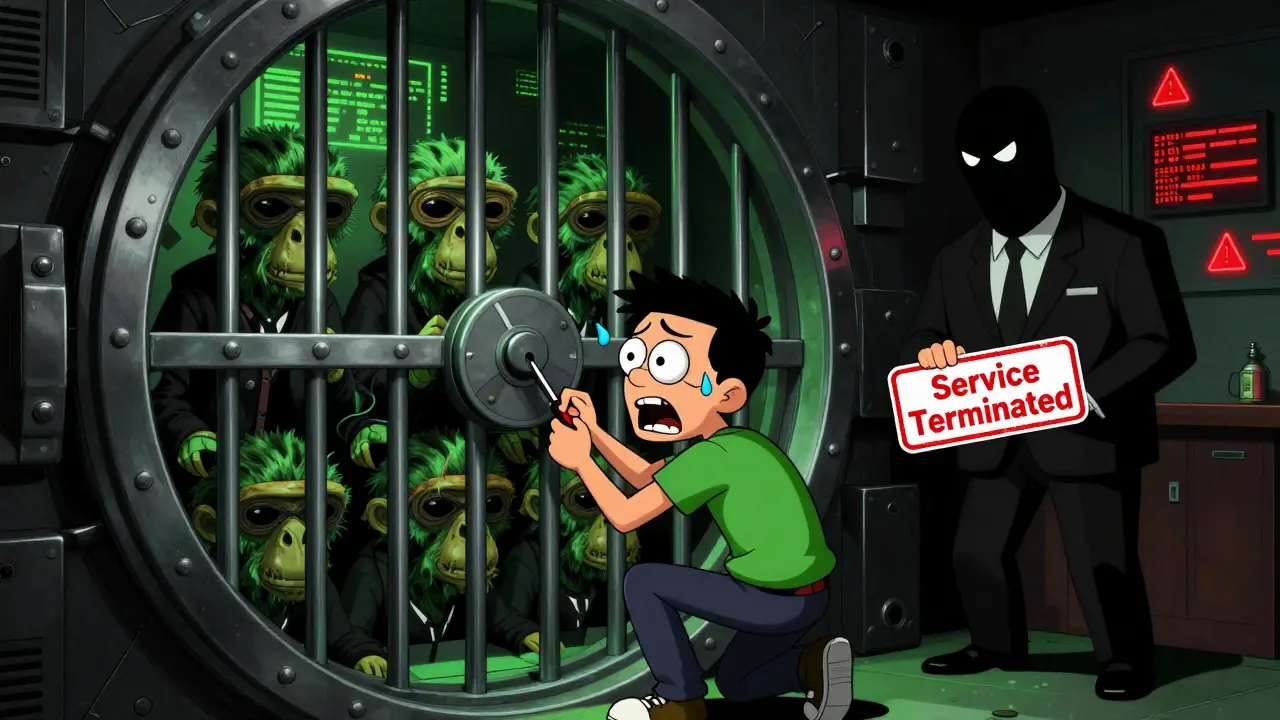
To understand Parallel Finance today, you must understand what happened in August 2024. On July 31, 2024, the team announced the termination of its NFT lending services effective August 1. This decision left approximately $800,000 worth of high-value NFTs-including Bored Ape Yacht Club and Mutant Apes-stranded in user vaults.
The fallout was immediate and brutal. Users who missed the withdrawal window found themselves locked out of their assets. The recovery process required advanced technical skills, involving direct interaction with raw contracts on Etherscan. According to on-chain analyst 0xQuit, fewer than 15% of affected users successfully recovered their NFTs through these complex manual methods.
Adding insult to injury, CEO Yubo Ruan faced backlash for suggesting $500 fees for late withdrawals. This incident didn’t just hurt the NFT segment; it eroded trust in the entire platform. Dr. Elena Rodriguez, Chief Analyst at Blockchain Insights LLC, noted that while the technical infrastructure was sound, the operational risk management failed catastrophically, destroying user trust that is nearly impossible to rebuild.
Current Status: Lending Protocol Only
As of 2026, Parallel Finance operates exclusively as a lending and staking protocol. The Dynamic Swap feature remains active, but liquidity is significantly reduced. The PARA/DOT pool, for instance, dropped from $45 million in early 2023 to just $1.8 million by late 2024.
Here is what you need to know about using the platform right now:
| Feature | Status | Key Details |
|---|---|---|
| NFT Lending | Shutdown | Terminated Aug 1, 2024. Assets stranded unless manually recovered. |
| Lending/Borrowing | Active | Supports DOT, KSM, PARA. TVL ~$12.4M. |
| Dynamic Swap (Exchange) | Active | Low liquidity. High slippage risk. No KYC required. |
| Customer Support | Minimal | Response times increased from hours to weeks post-shutdown. |
| Security Audits | Completed | Audited by Blocksec and PeckShield (March 2022). No recent updates. |
If you are an experienced DeFi user comfortable with connecting a Polkadot.js wallet and monitoring gas fees, the lending interface still works. Depositing DOT or PARA typically takes 15-20 minutes. However, transaction failures during network congestion occur in about 12.3% of attempts, according to the platform’s own transparency reports.
Risk Assessment: Should You Trust Your Assets Here?
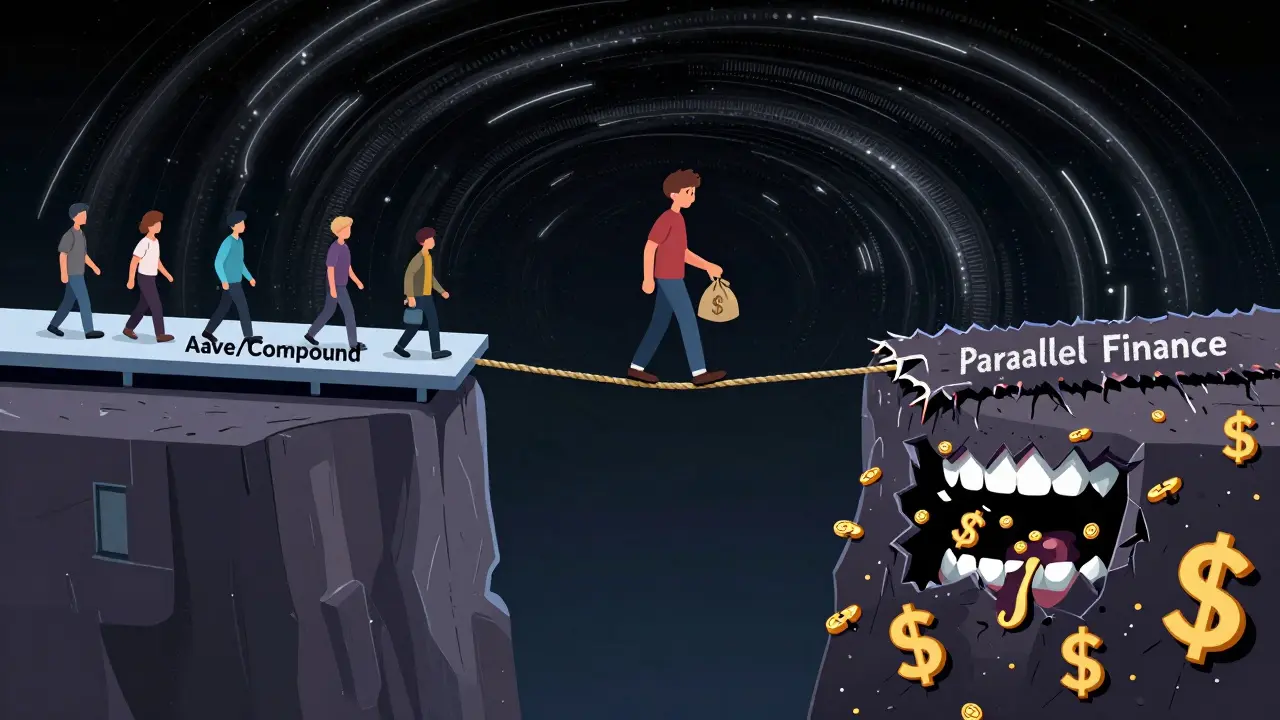
Let’s be direct: Parallel Finance carries higher risk than major competitors like Aave or Compound. While Aave maintained over $13 billion in TVL in mid-2024, Parallel sits outside the top 50 DeFi protocols globally.
The primary risks include:
- Liquidity Risk: With only $1.8 million in key pools, large trades will suffer from significant slippage. You might lose more value in a swap than you gain in yield.
- Operational Risk: The 2024 shutdown proved that the team can terminate services abruptly. There is no insurance fund for user losses.
- Technical Complexity: Recovering assets requires blockchain expertise. If you cannot read a contract address or use a hardware wallet correctly, you are vulnerable.
- Token Volatility: The PARA token has declined 98.9% from its all-time high. Predictions vary wildly, with some models forecasting near-zero value, indicating potential abandonment.
Michael Chen, founder of Polkadot Capital, argues that the core lending protocol remains viable for niche Polkadot users seeking yield. He views the NFT segment as a peripheral experiment that shouldn’t define the whole project. However, this view ignores the fact that trust is the currency of DeFi. Once broken, it rarely heals fully.
How to Use Parallel Finance Safely (If You Must)
If you decide to proceed despite the warnings, follow these steps to minimize exposure. Do not treat this like a savings account.
Step 1: Wallet Setup
Use a dedicated hardware wallet (like Ledger or Trezor) connected via Polkadot.js extension. Never use a hot wallet with significant funds for DeFi interactions.
Step 2: Start Small
Deposit only what you can afford to lose completely. Test the lending dashboard with a small amount of DOT before moving larger sums.
Step 3: Monitor Liquidity
Check the depth of the liquidity pools before swapping. If the pool is shallow, even a $100 trade could result in 5%+ slippage.
Step 4: Stay Informed
Follow official governance forums and GitHub repositories. Note that documentation has not been updated since July 2024, so rely on community channels like Twitter and Reddit for real-time alerts.
Alternatives to Consider
If Parallel Finance feels too risky, consider these established alternatives within the Polkadot and broader DeFi ecosystems:
- Aave: The industry leader in lending with robust security, insurance mechanisms, and massive liquidity across multiple chains.
- Bifrost: A Polkadot-native liquid staking derivative protocol that offers safer yield opportunities for DOT holders.
- Karura (Kusama): Offers similar lending functionality but with a different risk profile and community structure.
These platforms have survived multiple market cycles and regulatory pressures, offering a more stable environment for both beginners and advanced users.
Final Verdict: Proceed with Extreme Caution
Parallel Finance is no longer the rising star it was in 2021. It is a shadow of its former self, grappling with the aftermath of a controversial shutdown and dwindling user confidence. While the technology remains functional for basic lending and swapping, the lack of liquidity, poor support, and historical mismanagement make it a poor choice for most investors.
For expert traders who understand smart contract risks and want to exploit specific yield opportunities in the Polkadot ecosystem, it may still have niche utility. For everyone else, the risks far outweigh the rewards. Stick to established protocols with proven track records of user protection and transparent operations.
Is Parallel Finance safe to use in 2026?
It carries significant risk. While the smart contracts were audited, the platform shut down its NFT services in 2024, stranding user assets. Customer support is minimal, and liquidity is low. Only use it if you have advanced DeFi experience and can afford to lose your capital.
What happened to Parallel Finance's NFT lending?
Parallel Finance terminated its NFT lending services on August 1, 2024. This left approximately $800,000 in NFTs stranded in user vaults. Recovery required complex technical steps, and many users failed to retrieve their assets.
Can I recover my stuck NFTs from Parallel Finance?
Recovery is possible but difficult. It requires interacting directly with smart contracts on Etherscan using tools like MetaMask. Most users lacked the technical skills to do this, resulting in permanent loss for many. Consult independent guides from analysts like 0xQuit if you attempt this.
How does Parallel Finance compare to Aave?
Aave is much larger, more liquid, and has better user protection mechanisms. Parallel Finance is smaller, riskier, and has suffered from service disruptions. Aave is suitable for general users, while Parallel is only for niche, high-risk tolerance traders.
What is the current Total Value Locked (TVL) in Parallel Finance?
As of late 2024 and into 2026, the TVL hovers around $12.4 million, a massive drop from its peak of $387 million in 2021. This reflects lost confidence and reduced utility following the NFT shutdown.
Does Parallel Finance require KYC?
No, Parallel Finance is a decentralized protocol and does not require Know Your Customer (KYC) verification. You connect via a wallet like Polkadot.js or MetaMask. However, this also means there is no central entity to appeal to if you face issues.
Is the PARA token a good investment?
The PARA token has lost over 98% of its value from its all-time high. Predictions are highly divergent, with some models suggesting further decline. Given the platform's operational struggles, it is considered a high-risk speculative asset rather than a stable investment.