Bitcoin Legal Tender: Where It’s Recognized and Why It Matters
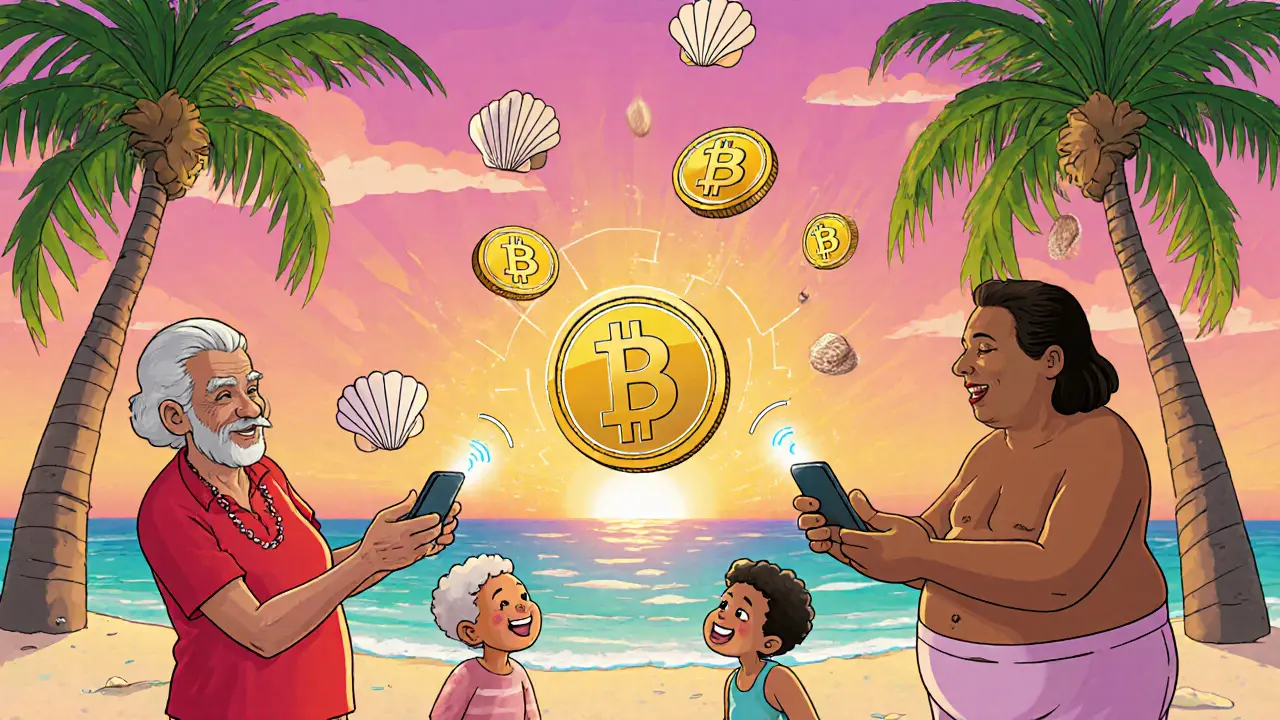
When we talk about Bitcoin legal tender, a form of digital currency officially recognized by a government as valid for settling debts. Also known as cryptocurrency legal status, it’s not just about acceptance—it’s about whether the state says you can use it to pay taxes, buy groceries, or settle a court judgment. Most countries still treat Bitcoin like property or an asset, not money. But a few have flipped that script entirely.
El Salvador, the first nation to adopt Bitcoin as legal tender in 2021 made headlines by letting people pay for public services with it. The government even built a Bitcoin wallet app and offered cash bonuses to get people to use it. But the reality? Most locals still convert Bitcoin to dollars right away. Why? Because prices, wages, and savings are still in USD. The same goes for Central America, a region where Bitcoin adoption is growing but infrastructure and trust remain limited. Even in places where Bitcoin is legal tender, banks don’t support it, ATMs are rare, and merchants charge extra fees to convert it.
Meanwhile, countries like Vietnam, where crypto is classified as a virtual asset but not legal tender, allow trading but ban payments. Nigeria, a market with massive retail crypto use despite past bans, lifted restrictions in 2025—but only for licensed exchanges, not for paying your landlord. And in the UK, HM Treasury treats Bitcoin as property for tax purposes, while the FCA regulates exchanges like businesses, not banks. These aren’t contradictions—they’re reflections of how governments balance innovation with control.
What’s missing in most places? Real integration. Legal tender doesn’t mean much if you can’t buy coffee with it without a middleman. It doesn’t help if your salary is in dollars, your bills are in dollars, and your bank won’t hold Bitcoin. That’s why most people still use Bitcoin as a store of value or speculative asset—not as money. The real test isn’t legislation. It’s whether someone on the street can use it without a crypto app, a conversion fee, or a second thought.
Below, you’ll find deep dives into how different countries handle Bitcoin, what rules actually matter for traders, and where the real risks and opportunities lie—not just in laws on paper, but in how people live with it every day.