Blockchain Donations: How Crypto Charity Works in 2025
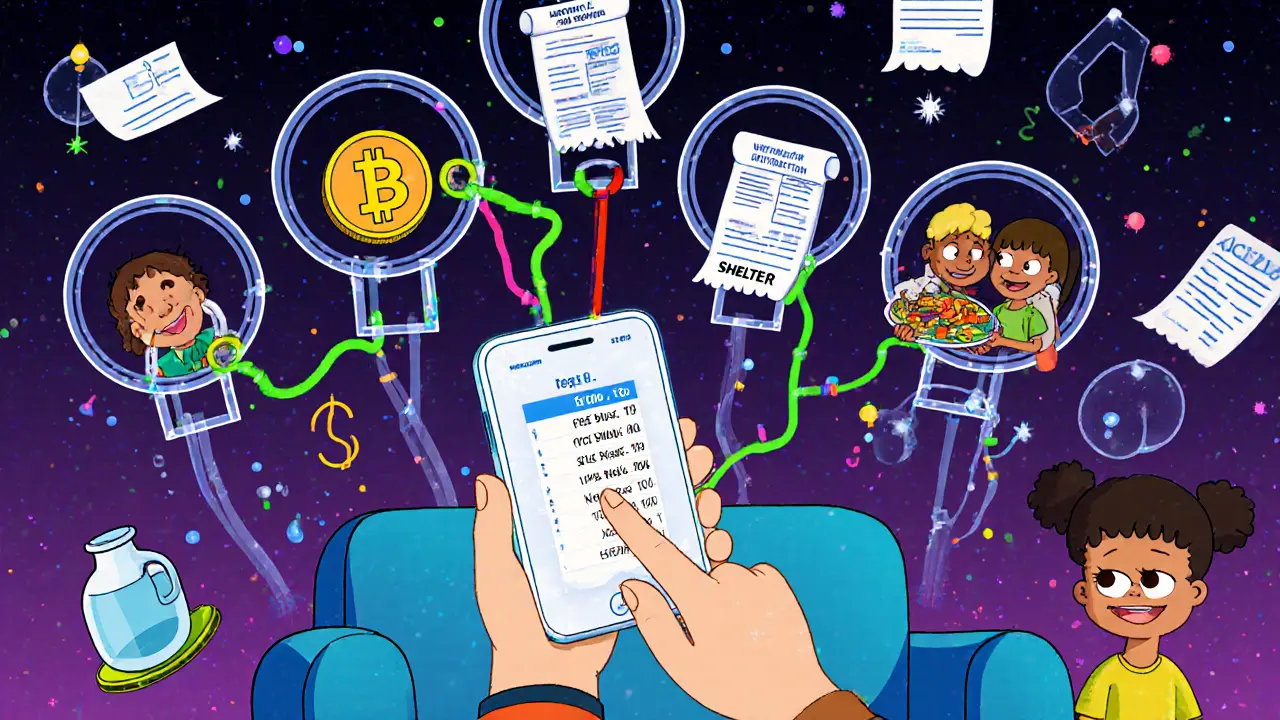
When you make a blockchain donations, a direct, transparent transfer of cryptocurrency to a cause or organization recorded on a public ledger. Also known as crypto charity, it cuts out banks, reduces fees, and lets donors see exactly where their money goes. Unlike traditional donations that get lost in paperwork, blockchain donations happen on-chain—every transaction is visible, permanent, and verifiable. You’re not just giving money; you’re adding a timestamped record to a global ledger.
This isn’t just about sending ETH or BTC to a nonprofit’s wallet. Real blockchain philanthropy, the use of decentralized systems to enable accountable, global giving involves smart contracts that release funds only when goals are met—like building a well after 10,000 donations or funding a vaccine drive once a target is hit. Platforms like Gitcoin and The Giving Block use this to connect donors with open-source devs, climate projects, and disaster relief efforts. And it’s growing: in 2024, over $1.2 billion in crypto went to charities, up 47% from the year before. The biggest shift? It’s not just rich donors anymore. People in Nigeria, Bangladesh, and Vietnam are sending small amounts via mobile wallets to global causes, bypassing broken banking systems entirely.
But it’s not perfect. digital wallet donations, the act of sending crypto from a personal wallet to a recipient’s address require the receiver to know how to manage keys. If a charity doesn’t have a secure setup, funds can get stolen—or frozen if they’re on a restricted chain. That’s why many now use multisig wallets or partner with trusted crypto-native NGOs. You also need to watch out for fake charities. Scammers create fake wallet addresses that look like real ones—just like the fake exchanges we’ve seen in posts about Armoney or CreekEx. Always verify the wallet on the official site, not a link in a tweet.
What you’ll find below are real stories of how blockchain donations are being used—some successfully, some disastrously. You’ll see how a Nigerian activist used crypto to fund free internet access, how a Venezuelan mining pool redirected profits to food aid, and how a failed token called Flowmatic became a warning sign for donors. There’s no fluff here—just what works, what doesn’t, and how to make sure your donation actually helps.