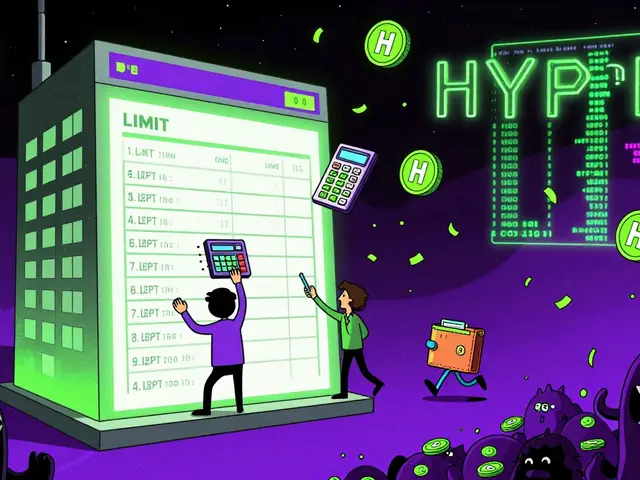
Blockchain Finance: What It Is, How It Works, and Where to Start
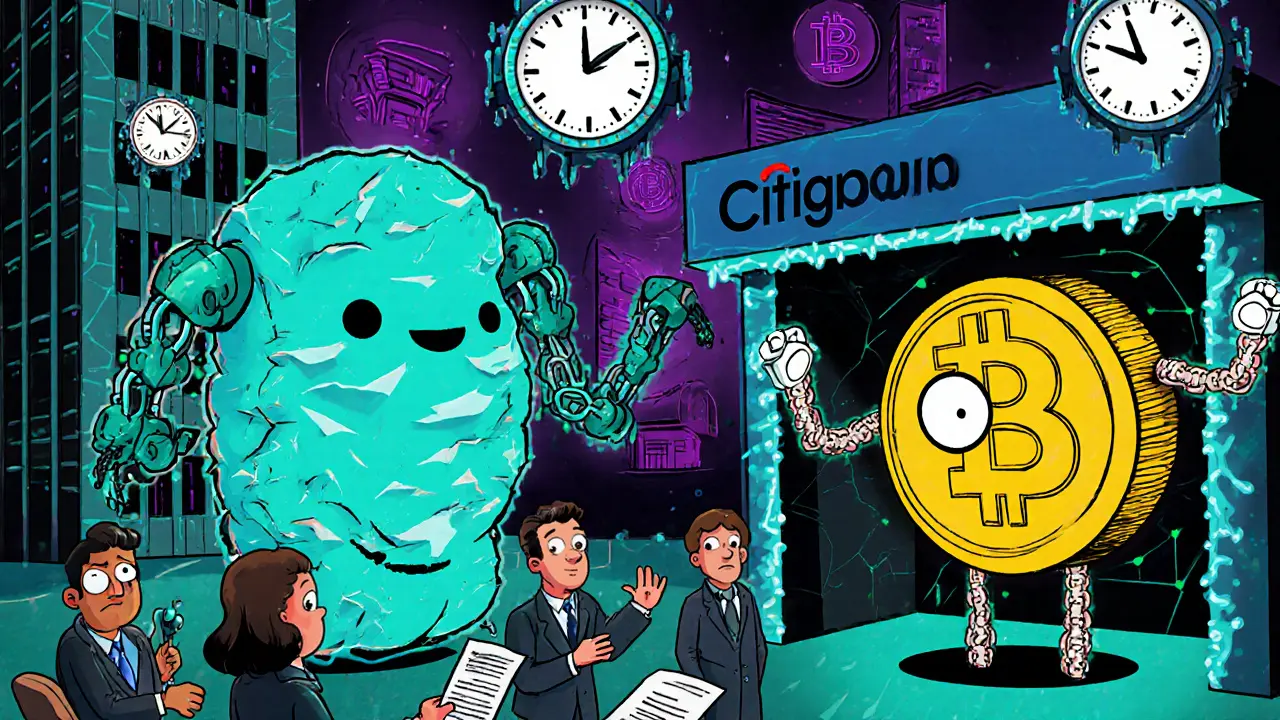
When you hear blockchain finance, a system that uses decentralized ledgers to move money without traditional banks. Also known as DeFi, it lets you lend, trade, and earn interest directly—no approval needed. This isn’t sci-fi. It’s real money, moving on networks like Ethereum, NEAR, and Solana, with tools like Ref Finance and KCCSwap letting users swap tokens for less than a penny. But it’s not all smooth sailing—some platforms vanish overnight, and governments are starting to step in.
Behind every DeFi platform, a decentralized system for financial services built on blockchain is a chain of trust, not a bank. That’s why projects like Ref Finance on NEAR or SushiSwap on Arbitrum Nova exist—they cut out middlemen. But without those middlemen, you’re on your own. If a platform has zero trading volume, no team, or fake liquidity, your money can disappear. That’s why so many posts here warn about fake exchanges like CreekEx, Woof Finance, and Armoney. They look real, but they’re traps. Real blockchain finance means using platforms with clear records, active users, and real audits—not hype.
Then there’s the legal side. cryptocurrency regulations, government rules that define how digital assets can be traded, taxed, or owned are popping up everywhere. Vietnam says you can trade crypto but not use stablecoins. Indonesia lets you trade but not pay with it. The UK’s FCA now oversees stablecoin issuers. Nigeria lifted its ban—but enforcement is messy. And in Venezuela, miners must join a state pool or risk losing their gear. These aren’t theoretical debates. They affect whether you can use Binance, access a token airdrop, or even cash out. If you’re in Bangladesh, you might need a VPN just to trade. If you’re in the U.S., your tax bill could be huge unless you move.
And then there’s the money. Not just trading, but earning. Airdrops like BUNI, DSG, or ACMD promise free tokens—but most are dead on arrival. Some, like the ADX airdrop from AdEx Network, actually paid out. Others? Zero volume, no trading, no future. The same goes for gaming tokens like QBIT or METANIA—no game, no value. Blockchain finance isn’t just about buying low and selling high. It’s about knowing what’s real, what’s risky, and what’s just noise.
What you’ll find below isn’t a list of hype. It’s a collection of real stories: exchanges that work, ones that scammed people, airdrops that delivered, and tokens that collapsed. You’ll see how Nigerian traders navigate gray zones, how Korean users pick regulated platforms, and why a $20,000 airdrop can vanish in a month. This isn’t theory. It’s what happened. And if you’re trying to make sense of blockchain finance in 2025, you need to know the difference between what’s built to last and what’s built to disappear.