Crypto Scam Risk Assessment
How Safe Are Your Crypto Habits?
Answer these 5 quick questions about your crypto practices to see your scam risk level.
1. When logging into your crypto wallet, do you:
2. When evaluating a new crypto project, do you:
3. Do you:
4. If someone online asks you to:
5. Before sending crypto, do you:
Your Scam Risk Assessment
Personalized Recommendations
By the end of 2024, people lost over $12.3 billion to cryptocurrency scams. That’s more than the entire GDP of some small countries. And in 2025, it’s only getting worse. Scammers aren’t just hacking wallets anymore-they’re building fake friendships, cloning voices, and tricking people into giving up their seed phrases with AI-powered chatbots that sound like your best friend. If you’ve ever thought, "I’m careful with crypto, so I’m safe," you’re already in the crosshairs.
Phishing: The Fake Login Trap
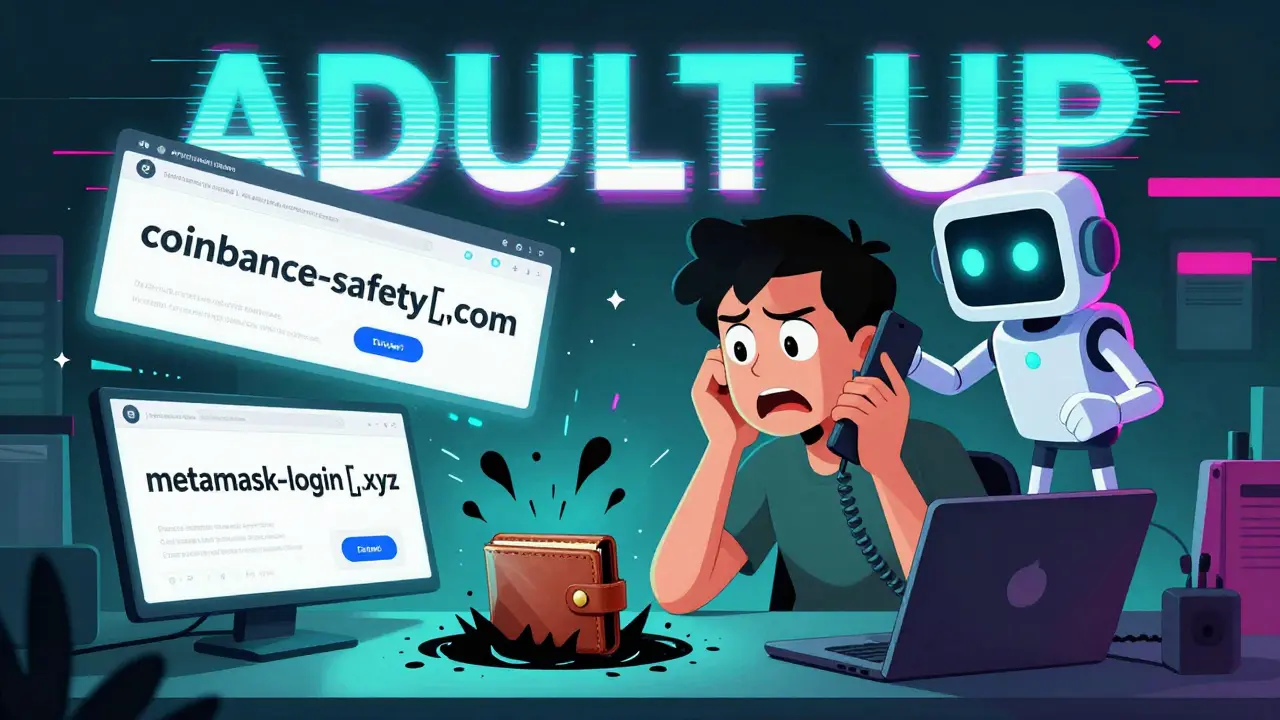
Phishing is still the most common way people lose crypto. It’s not some high-tech hack. It’s a fake website that looks exactly like Coinbase, MetaMask, or Binance. You click a link in a DM on X or Telegram, enter your password, and boom-your wallet is drained. In Q3 2025, phishing made up 31% of all crypto fraud cases, according to the California Department of Financial Protection and Innovation. These sites aren’t sloppy. They copy the exact layout, colors, even the little icons. Some even load the real login page in an iframe so you see the legitimate URL briefly before it switches to the fake one. The trick? They use shortened links or domains likecoinbase-safety[.]com or metamask-login[.]xyz. If you’re logging in from an email or a DM, you’re already at risk.
How to protect yourself: Always type the website address yourself. Never click links from strangers. Bookmark your exchange pages. And if you’re ever asked to enter your seed phrase-even if it says "for security verification"-close the tab. No legitimate service will ever ask for it.
Rug Pulls and Fake ICOs: The Vanishing Act
You see a new DeFi project on Twitter. It promises 150% monthly returns. The team is anonymous, but they have a slick website, a whitepaper, and a Discord full of people saying, "This is the next Bitcoin!" You invest $5,000. Two days later, the website is gone. The Discord is deleted. The liquidity pool? Empty. This is a rug pull. And in 2025, they’re faster than ever. DeFiLlama’s tracker shows the average lifespan of a scam project is just 41.7 hours. Developers lock liquidity for a few hours, pump the token, then drain it all in one transaction. Sometimes they even fake audits or use fake team photos stolen from LinkedIn. Red flags? No verifiable team. No locked liquidity. No code audit from a reputable firm like CertiK or Quantstamp. If the project is on a new blockchain no one’s heard of, or if the token name is just "$BRAIN" or "$MOON," run. The $12 million "YieldMax" rug pull in March 2025 is a textbook case. The team claimed to use "AI-driven yield optimization." The smart contract? Unaudited. The team? No GitHub, no LinkedIn, no real names. Within 72 hours, they vanished.Fake Wallets and Browser Extensions
Apple removed over 2,300 fake crypto apps from the App Store in just one quarter of 2025. Android users are even more vulnerable-83% of fake wallet infections happen on Android because sideloading APKs is easy. These apps look real. They even have the same icons as MetaMask or Trust Wallet. But once you install them and connect your wallet, they silently drain your funds. Browser extensions are another nightmare. MetaMask’s security team found 1,842 malicious extensions in September 2025 alone. One extension called "CryptoHelper" appeared in the Chrome Web Store for months. It claimed to help track gas fees. Instead, it read every transaction you made and sent your wallet address and private keys to a server in Russia. How to avoid this: Only download wallets from official sources. MetaMask? Get it from metamask.io. Trust Wallet? From trustwallet.com. Never install browser extensions from random Chrome Web Store searches. If an extension asks for "access to all websites" or "read your data on all sites," deny it. That’s how drainers work.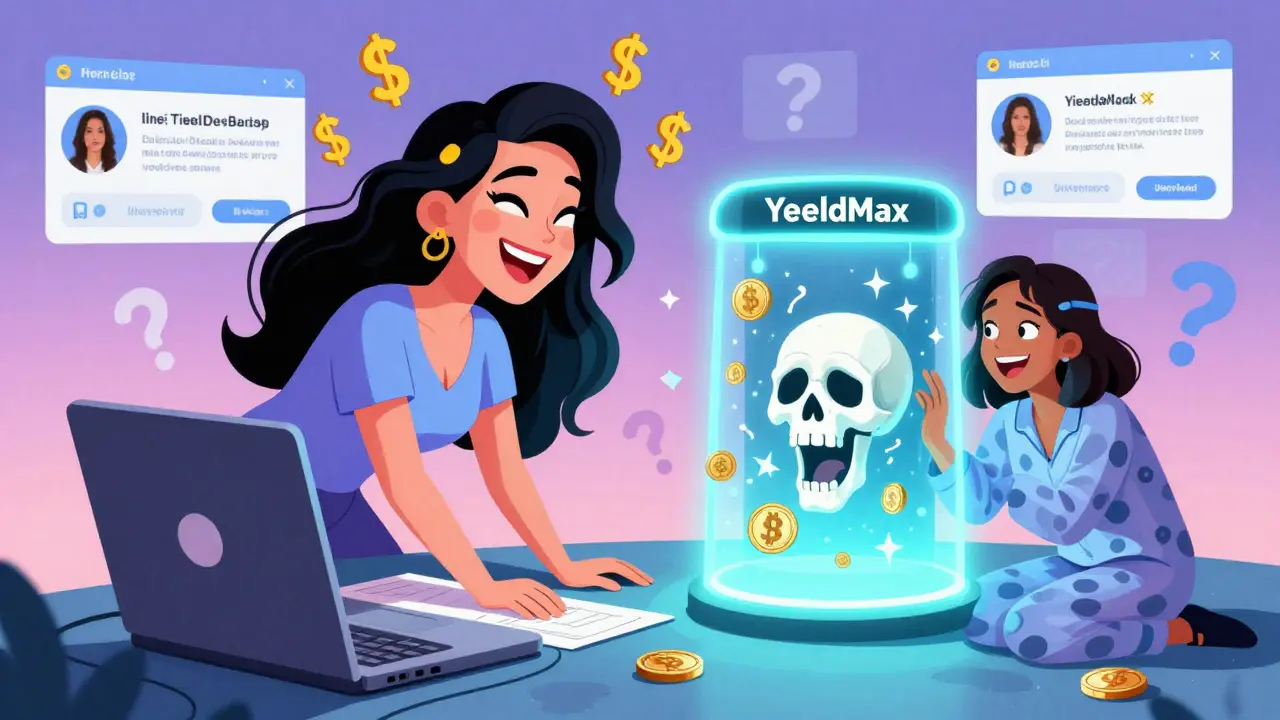
Pig Butchering: The Emotional Scam
This one’s the most sinister. Scammers create fake profiles on dating apps, Instagram, or Telegram. They flirt. They share stories. They build trust-sometimes for weeks or months. Then they say, "I found this amazing investment. I’ll show you how to do it." They send you a link to a fake exchange. You deposit $10,000. You see your balance go up. You deposit another $20,000. You try to withdraw. The site says "maintenance." Then it disappears. SoFi’s 2025 report found the average loss in pig butchering scams is $187,000-over ten times higher than phishing. Victims report spending an average of 47 days building a relationship before being asked for money. These aren’t bots. They’re real people, often working in organized crime rings across Southeast Asia. The worst part? Victims feel shame. They don’t report it. They think, "I should’ve known better." But the truth is, these scammers are trained in psychology. They know how to trigger loneliness, FOMO, and hope. If someone you met online pushes crypto, especially if they say "it’s private" or "don’t tell anyone," it’s a scam. Always verify through independent channels. If they refuse to video call, or always have an excuse why they can’t, walk away.Deepfakes and AI Voice Cloning
In February 2025, a deepfake video of Elon Musk appeared on YouTube. He was promoting a "Bitcoin giveaway"-send 0.5 BTC, get back 5 BTC. It looked real. The voice matched. The background was his office. The video got 2.3 million views in 48 hours. $500,000 in crypto was stolen before it was taken down. AI voice cloning is up 320% in 2025. Scammers now call you, pretending to be your child, your parent, or even your bank. They say, "I’m in trouble. Send crypto right now. Don’t tell anyone." You panic. You send it. Then you realize-your mom didn’t call. The voice was AI-generated from a 10-second clip she posted on Instagram last year. These scams work because they bypass logic. Fear overrides reason. And there’s no way to prove it’s fake until it’s too late. What to do: If someone you know asks for crypto urgently, call them back on a number you know is real. Don’t use the number they give you. Don’t trust video calls unless you’ve seen them in person recently. And if someone says, "This is urgent, don’t talk to anyone else," that’s the biggest red flag of all.Clipboard Hijackers and Address Poisoning
You copy a Bitcoin address to send funds. You paste it. You hit send. But the address you copied was replaced in your clipboard with a similar one-just one letter changed. You sent $10,000 to a scammer’s wallet instead of your exchange’s deposit address. This is address poisoning. It’s low-tech but deadly. And it’s growing. In Q1 2025, it accounted for 19% of all crypto thefts. Clipboard hijackers work on desktops-Windows machines are targeted 76% of the time. They install malware that watches your clipboard. When you copy a crypto address, it swaps it silently. How to stop it: Always manually check the first 3 and last 3 characters of any address before sending. Use a hardware wallet-it shows the full address on screen, so you can verify. Never copy-paste addresses from untrusted sources. And if you’re on Windows, run a malware scan monthly.
Job Offers and "Crypto Tester" Scams
You see a job posting: "Crypto Wallet Tester. Earn $500/day. Work from home. No experience needed." You apply. They send you a link to "test" a wallet. You transfer $100 to verify your account. They return it with a bonus. You feel good. Then they say, "Now we need you to test a larger transfer. Send $5,000, we’ll return $6,000." You do. They disappear. Reddit user u/CryptoNewbie2025 lost $47,000 this way. "They had me doing small transfers for three days," they wrote. "I thought I was helping them find bugs. Turns out, I was moving their stolen money." These scams target people desperate for income. They use fake company logos, LinkedIn profiles, and even fake Zoom interviews. They make you feel like you’re part of something new and important. No legitimate crypto company pays you to test wallets. If you’re being asked to move crypto as part of a "job," it’s a money laundering scheme. Walk away.How to Stay Safe
There’s no magic bullet. But here’s what works:- Use a hardware wallet. It reduces your risk by 89%.
- Never share your seed phrase. Ever. Not with friends, not with support, not with "security teams."
- Verify every link. Always type the URL yourself.
- Check addresses manually. Look at the first and last 3 characters.
- Ignore "guaranteed returns." If it sounds too good to be true, it is.
- Use two-factor authentication (2FA) with an authenticator app, not SMS.
- Report scams. Use the DFPI Crypto Scam Tracker or your local financial regulator.
What’s Next?
By 2026, the SEC plans to require all crypto platforms to display scam warning labels. The FATF is working on real-time scam transaction blocking. But here’s the truth: scammers will always adapt faster than regulations. The real defense isn’t technology. It’s awareness. It’s slowing down. It’s asking, "Why is this person pushing me to act now?" It’s trusting your gut when something feels off. Crypto is powerful. But it’s not magic. And the people trying to steal from you? They’re counting on you forgetting that.What’s the most common cryptocurrency scam right now?
Phishing scams are still the most common, making up 31% of all crypto fraud in Q3 2025. These involve fake login pages that steal your passwords or seed phrases. But "pig butchering" scams cause the highest average losses-$187,000 per victim-because they exploit emotional trust over weeks or months.
Can I recover my crypto if I get scammed?
Almost never. Blockchain transactions are irreversible. Once crypto leaves your wallet, there’s no undo button. Some exchanges and law enforcement may track funds if they’re moved to a centralized exchange, but recovery is extremely rare. Prevention is your only real protection.
Are hardware wallets completely safe?
They’re the safest option available, reducing scam risk by 89% according to Ledger’s 2025 security tests. But they’re not foolproof. If you enter your seed phrase into a fake website while setting up the wallet, or if you connect it to a malicious app or browser extension, you can still be compromised. Always verify addresses on the device screen before confirming transactions.
How do I know if a crypto project is a rug pull?
Check three things: 1) Is the team anonymous or fake? 2) Is liquidity locked for at least 6 months? 3) Has the smart contract been audited by a reputable firm like CertiK or PeckShield? If any answer is no, walk away. Also, check DeFiLlama’s rug pull tracker-projects with less than 24 hours of history are high risk.
Should I use browser extensions for crypto?
Only use official extensions from trusted sources like MetaMask or Coinbase Wallet. Avoid any third-party extensions that claim to "boost returns," "track gas fees," or "analyze tokens." Over 1,800 malicious extensions were removed in 2025 alone. If an extension asks for "access to all websites," it can steal your data-never allow it.
Is it safe to invest in crypto based on social media influencers?
No. Most influencers promoting crypto are paid promoters, not experts. Many are part of pump-and-dump schemes. In 2025, 78% of scam victims first heard about fraudulent projects through social media-mostly Telegram, X, and Instagram. Always research independently. Check official project websites, audits, and community discussions-not influencer posts.




Patricia Amarante
Just saw someone I know lose $22k to a pig butchering scam. She thought she was falling in love. No one talks about how devastating the shame is after. You feel stupid, but honestly? The scammers are professionals. They have scripts, psychologists on payroll. It’s not your fault.