BNX Token Swap: What It Is, Why It Matters, and What You Need to Know
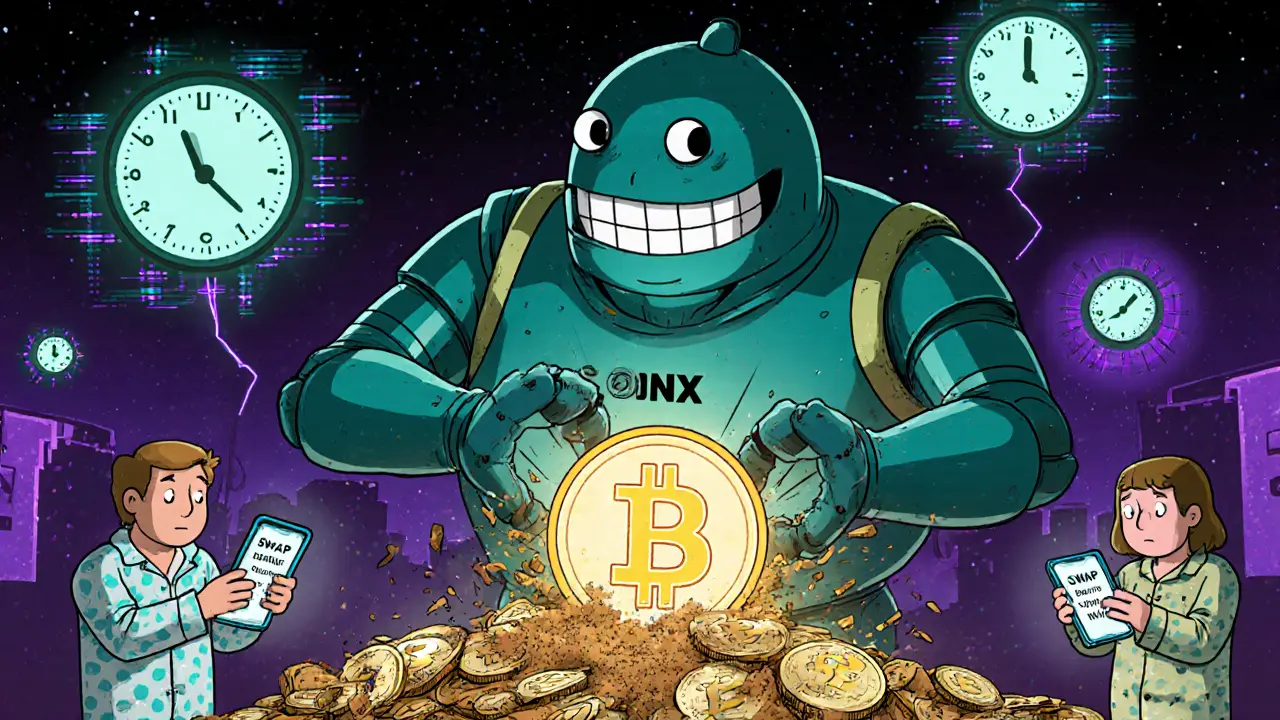
When you hear BNX token swap, a process where users exchange one version of the BNX token for another on a blockchain. Also known as token migration, it usually happens when a project upgrades its smart contract, changes its token standard, or moves to a new blockchain. This isn’t just a technical update—it’s a make-or-break moment for holders. If you don’t participate, your tokens might become useless. If you do it wrong, you could lose them.
Token swaps like BNX aren’t rare. Projects like Ref Finance, OpenSwap, and KCCSwap have all done them. But most fail to explain them clearly. That’s why users get caught off guard. A swap isn’t a giveaway. It’s a mandatory upgrade. You don’t get paid to do it. You have to do it to keep your assets alive. And if you’re holding BNX on a wallet or exchange that doesn’t support the swap, you’re at risk. Some platforms, like COREDAX or MEXC, handle swaps automatically for users. Others, like decentralized exchanges, leave it entirely up to you. That’s where things go wrong.
Why do swaps happen? Usually because the original token was built on a test network, had a coding flaw, or needed to integrate better with a larger ecosystem like NEAR or Ethereum. BNX might have started as an ERC-20 token and moved to a BEP-20 chain. Or maybe it switched from a custom chain to a more secure one. Either way, the old token stops working. The new one replaces it. And if you don’t swap, you’re holding digital trash. Some people wait too long. Others get tricked by fake swap sites pretending to be official. Scams like CreekEx and Woof Finance use the same trick—posing as legitimate platforms to steal your keys during a swap. Always check the official project website. Never click links from Twitter or Telegram.
What should you look for before a BNX token swap? First, confirm the official announcement date and wallet address. Second, make sure your tokens are in a wallet you control—not on an exchange unless they say they’ll handle it. Third, test the swap with a tiny amount first. And fourth, keep your private keys offline. You don’t need to send your tokens anywhere. You just need to approve a transaction. If a site asks you to send your BNX to them to "exchange," it’s a scam.
Token swaps are messy. They’re confusing. But they’re also normal. They’re part of how crypto evolves. The same thing happened with ADX tokens from AdEx Network, or with QBIT from Project Quantum. Some projects pull it off cleanly. Others vanish after the swap. That’s why you need to know the difference between a real upgrade and a exit scam. Look at the team. Look at the history. Look at the community. If the project has been quiet for months, the swap might be the last thing you ever hear from them.
Below, you’ll find real reviews, warnings, and guides from people who’ve been through swaps like this. Some lost money. Others saved theirs. None of them guessed what was coming. You don’t have to be one of them.