Creator Economy: How Blockchain Is Changing How Creators Earn
When we talk about the creator economy, a system where individuals earn income by creating content, products, or experiences directly for their audience. Also known as independent creator economy, it’s no longer just about ad revenue and sponsorships—it’s about ownership. In 2025, the people making videos, music, art, or even memes are no longer just selling attention. They’re selling equity—in their brand, their community, and their future.
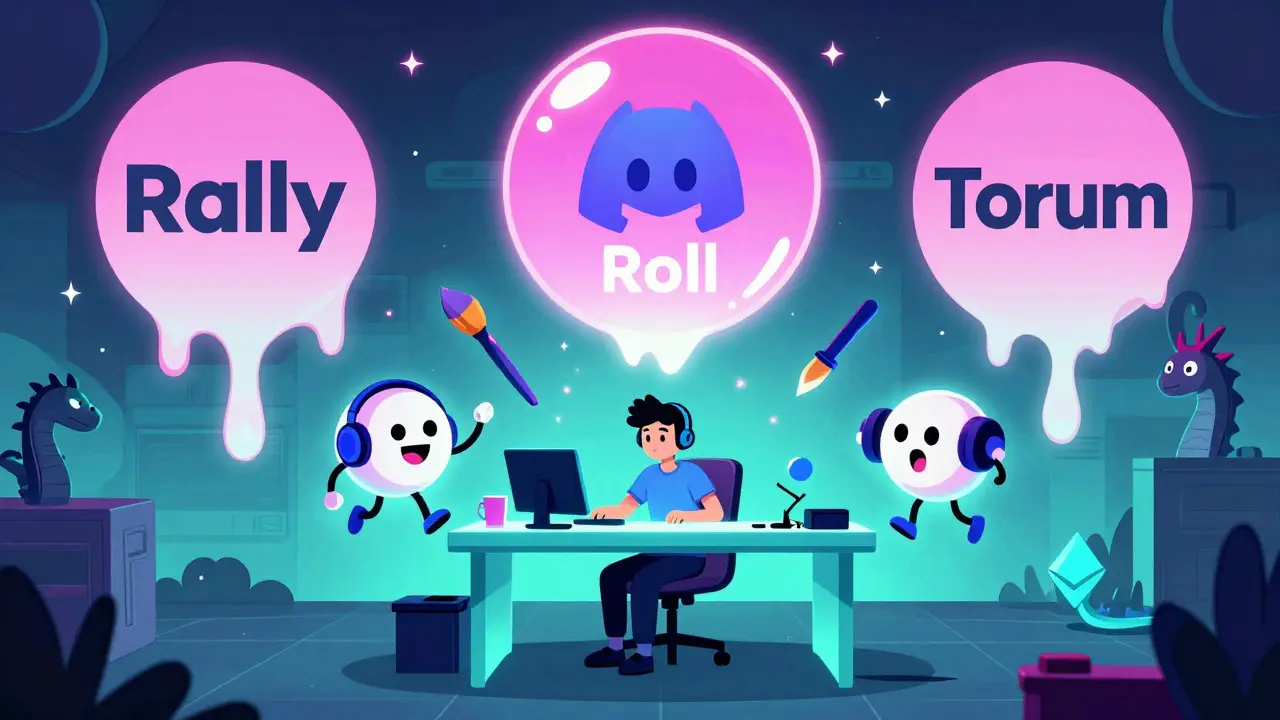
That shift is powered by social tokens, digital assets issued by creators that give holders access, voting rights, or a share of future earnings. Think of them like shares in a small business you follow. If you buy a creator’s token, you’re not just a fan—you’re a stakeholder. And when that creator grows, so does your token’s value. This isn’t theory. It’s happening now, with platforms letting artists, podcasters, and even gamers launch their own tokens with just a few clicks.
But social tokens don’t work alone. They’re tied to Web3 communities, decentralized groups of people who collaborate, govern, and share value using blockchain tools. These aren’t Discord servers with a fancy logo. They’re organizations with treasuries, voting systems, and real rules written in code. Members earn rewards for contributing—not just by posting, but by moderating, designing, or bringing in new users. And when the community thrives, everyone benefits. That’s a big deal. For the first time, fans aren’t just consuming content—they’re building it.
Then there’s NFTs, unique digital assets that prove ownership of art, music, or even access passes. They’re not just JPEGs. They’re keys. A single NFT can unlock exclusive content, early access to drops, or even a cut of future sales. Some creators use them to sell limited editions of their work. Others use them to reward their most loyal supporters. The trick? You have to make them useful. If an NFT doesn’t do anything beyond looking cool, it’s just a digital postcard.
And behind all of this? decentralized governance, a system where decisions about a project’s direction are made by its users, not a CEO or board. Creators who want to stay independent can’t rely on platforms that change rules overnight. So they build their own rules—voted on by token holders. Want to launch a new product? Vote on it. Need to spend community funds? Vote on it. No middlemen. No surprises.
This isn’t about replacing Instagram or TikTok. It’s about giving creators control. No more demonetization. No more algorithm shifts. No more begging brands for sponsorships. If you build something people care about, you own it—and you get to decide how it grows.
Below, you’ll find real examples of what’s working, what’s failed, and what to watch out for. From tokens that went nowhere to communities that turned fans into co-owners. No hype. Just facts.