Crypto Access: How to Legally Use Exchanges, Bypass Restrictions, and Avoid Scams
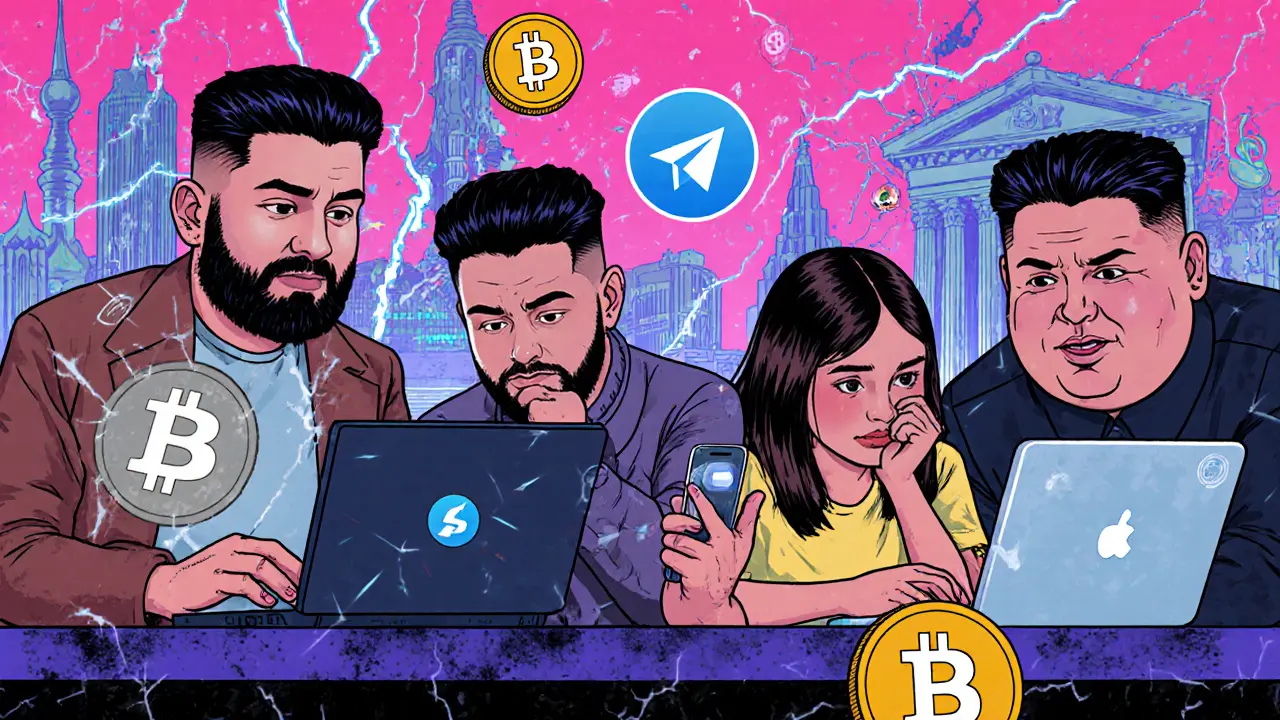
When you need crypto access, the ability to buy, trade, or hold digital assets through legitimate platforms despite local laws or technical blocks. Also known as crypto trading access, it’s not just about finding a website—it’s about staying safe, legal, and in control of your money. Millions around the world can’t use Binance, Coinbase, or Kraken directly because their governments block them. That doesn’t mean they’re out of luck. It means they’re using smarter methods—like reliable VPNs, local exchanges with compliance, or even decentralized options that don’t require KYC.
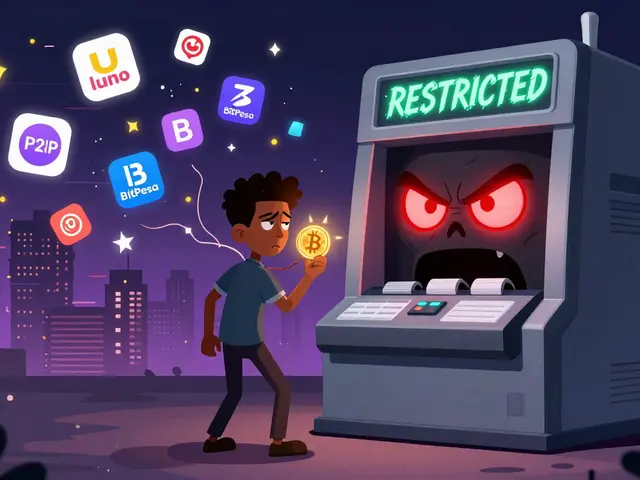
Real crypto restrictions, government-imposed limits on who can use crypto platforms and how. Also known as crypto bans, it’s not always a full block—sometimes it’s a slow chokehold. Nigeria lifted its ban in 2025, but enforcement is patchy. Vietnam made crypto legal as virtual assets, yet no licensed exchange operates yet. Bangladesh? Users rely on VPN for crypto, a tool that hides your location to bypass national firewalls and access blocked platforms. Also known as crypto bypass tools, it’s not magic—it’s about choosing the right server, avoiding free proxies, and knowing which protocols actually work. In Korea, you need a local bank account to use COREDAX. In Indonesia, you can trade but can’t pay for goods with crypto. These aren’t random rules—they’re the new normal. And then there are the fakes. Sites like Armoney, CreekEx, and Woof Finance don’t exist as real exchanges. They’re traps built to look like the real thing. People lose money because they assume any site with "crypto" in the name is legit. You don’t need a degree in blockchain to avoid them. You just need to check: Is it regulated? Is there real trading volume? Is the team public? If the answer is no to any of those, walk away.
What you’ll find below isn’t theory. It’s real cases: how Bangladeshis use VPNs to trade, why Nigerian traders are confused even after the ban lifted, how Korean users pick the only exchange that works for them, and why a project like OpenSwap on Harmony died with zero activity. You’ll see what a real airdrop looks like versus a scam that promises free tokens but vanishes after the hype. You’ll learn which countries have clear rules—and which ones are landmines. This isn’t about getting rich quick. It’s about keeping your crypto safe, knowing where you can actually trade, and not becoming another statistic.