Crypto Privacy Ban: What’s Really Happening and Who’s Affected
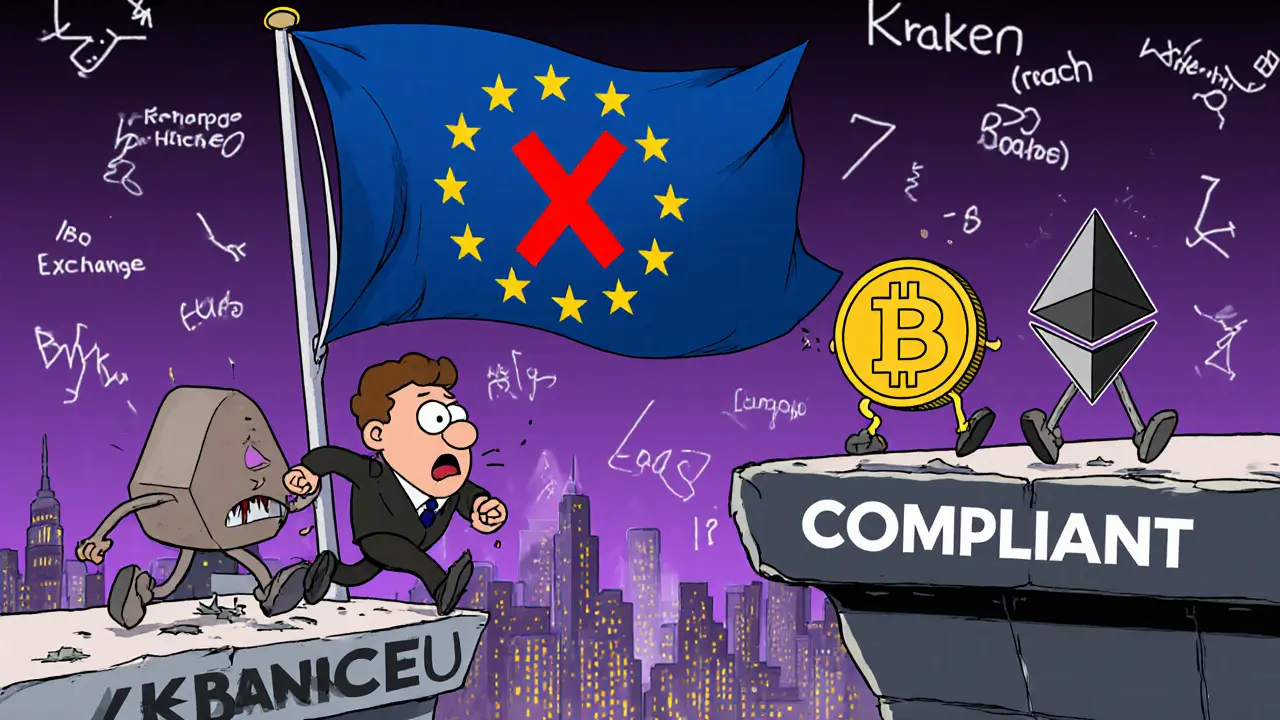
When you hear crypto privacy ban, a government policy that restricts tools or platforms designed to hide transaction details on blockchains, it sounds like a clear-cut crackdown. But in reality, it’s a patchwork of rules, loopholes, and silent enforcement. Some countries outright ban mixers and privacy coins. Others allow trading but block access to platforms that don’t KYC users. And in places like Nigeria, Vietnam, and Bangladesh, the ban isn’t written in law—it’s enforced by cutting off bank access, forcing traders to use VPNs just to open an app.
The real target isn’t Bitcoin. It’s crypto anonymity, the ability to transact without revealing identity or transaction history on public ledgers. Tools like Tornado Cash, Wasabi Wallet, and privacy-focused blockchains like Zcash are under fire. But here’s the catch: most retail users don’t even know they’re using privacy features. When you swap tokens on a DEX like Ref Finance or use a local exchange like COREDAX in Korea, you’re often forced into KYC without realizing it. The crypto regulations, government rules that define how digital assets can be bought, sold, taxed, or held aren’t just about stopping crime—they’re about control. The UK’s FCA, Vietnam’s State Bank, and HM Treasury all require exchanges to track every user. That’s why platforms like Armoney or CreekEx, which claim to be anonymous, are scams—they don’t exist because real exchanges can’t operate without compliance.
Who’s Really Getting Hit by These Bans?
It’s not just activists or darknet traders. It’s everyday people in Nigeria trying to send remittances, Bangladeshis using Binance through a VPN, or Koreans stuck with a local exchange that won’t let them trade privacy coins. Even in the U.S., the IRS demands full transaction histories. If you’re using a non-KYC DEX, you’re already walking a legal tightrope. And when governments start shutting down exchanges like Koinex or Woof Finance, they’re not just targeting fraud—they’re removing the only options left for people who want to keep their finances private. The result? A two-tier system: those who can afford offshore accounts and complex setups, and everyone else stuck with regulated, tracked, and limited platforms.
What you’ll find below isn’t just a list of articles—it’s a map of where crypto privacy stands today. From Venezuela’s state-controlled mining pools to Indonesia’s legal gray zone, these posts show how bans are enforced, who gets caught, and how people are still finding ways to trade. No theory. No fluff. Just what’s real, what’s broken, and what’s working in 2025.