Crypto Trading Philippines: How to Trade Safely and Avoid Scams in 2025
When you start crypto trading Philippines, the practice of buying, selling, and holding digital currencies like Bitcoin and Ethereum through platforms accessible to residents of the Philippines. Also known as digital asset trading in the Philippines, it’s become a popular way for Filipinos to grow wealth outside traditional banking. But it’s not as simple as signing up and clicking buy. The Philippines has no outright ban on crypto, but it also has no clear national framework—leaving traders in a gray zone where regulation is patchy and scams are everywhere.
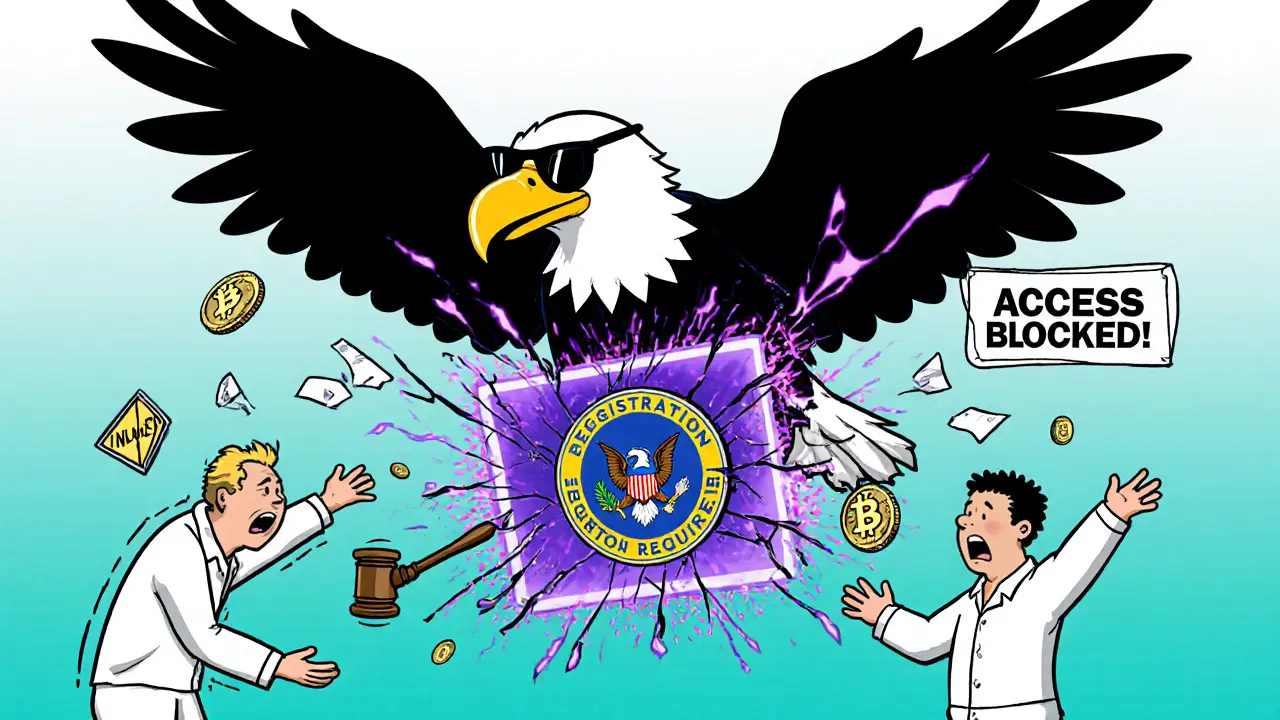
Many Filipinos use Binance, a global crypto exchange that supports PHP deposits and is widely used despite not being officially licensed in the country, because it’s fast and has low fees. But others get tricked by fake platforms like CreekEx, a fraudulent site pretending to be a real exchange, designed to steal funds from unsuspecting users, or fake airdrops promising free tokens that never materialize. Even local platforms that sound legit—like those claiming to be "Philippine-based"—often have no physical office, no registered business license, and no customer support. The Securities and Exchange Commission Philippines, the government body responsible for overseeing financial markets and protecting investors has warned about dozens of unregistered crypto firms since 2023, and those warnings aren’t slowing down.
What’s legal? You can own crypto. You can trade it. You can even send it abroad. But if you’re earning income from trading, you owe taxes—no exceptions. The Bureau of Internal Revenue treats crypto like property, meaning every sale triggers a taxable event. And if you’re using a VPN to access blocked exchanges, you’re not just bypassing restrictions—you’re also removing any legal protection if things go wrong. There’s no safety net here. No FDIC insurance. No government bailout. Just you, your wallet, and the platform you chose.
That’s why the posts below aren’t about hype or quick gains. They’re about survival. You’ll find real reviews of exchanges Filipinos actually use, breakdowns of scams that have targeted local traders, and clear explanations of how to spot fake tokens before you send your money. You’ll learn why some "local" platforms are just fronts, how to verify if a crypto project has real activity, and what to do if your funds disappear. This isn’t theory. It’s what people in Manila, Cebu, and Davao are dealing with right now. And if you’re trading crypto in the Philippines, you need to know it too.