Cryptocurrency Confiscation: What Governments Can Seize and How to Protect Your Assets
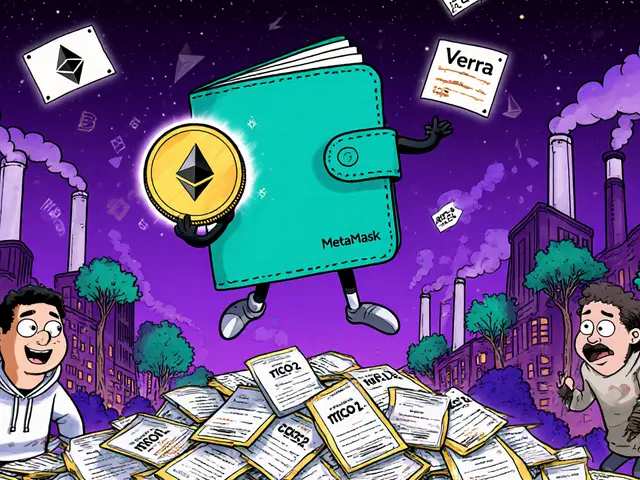
When you hold cryptocurrency confiscation, the legal process by which a government or authority takes control of digital assets without the owner’s consent. Also known as crypto asset seizure, it’s not science fiction—it’s happening right now in places like Nigeria, Venezuela, and the UK. Unlike cash or gold, crypto lives on blockchains, so seizing it isn’t as simple as walking into a bank vault. But governments are learning how to freeze wallets, pressure exchanges, and even force users to hand over private keys under threat of fines or jail.
It doesn’t happen randomly. crypto tax enforcement, the use of legal tools to recover unpaid taxes on digital asset gains is one of the most common reasons. The IRS in the U.S., HM Treasury in the UK, and Vietnam’s State Bank have all started tracking wallet addresses and demanding reports. If you don’t file, they can freeze your exchange accounts—or worse, subpoena your private keys. Then there’s government crypto rules, the laws that define whether crypto is property, currency, or commodity, and who gets to control it. In Venezuela, miners must join a state pool or risk having their equipment seized. In Nigeria, even though trading is legal, banks still block crypto deposits, effectively locking users out of their own funds.
And it’s not just about taxes or mining. digital asset rights, the legal ownership and control you have over your crypto, even when authorities want it are under pressure everywhere. Some countries claim you don’t truly own crypto if it’s on an exchange. Others say if you’re suspected of money laundering—even without proof—you lose access. There’s no global standard. One day you’re trading on Binance; the next, your account is frozen because your country banned it, and the exchange complied.
What’s in the posts below? Real cases. Like how Nigeria’s crypto rules changed in 2025 but enforcement stayed messy. How Venezuela forces miners into state pools. How HM Treasury now requires exchanges to report every large transaction. How people in Bangladesh use VPNs just to keep access to their own wallets. These aren’t hypotheticals. They’re lived experiences. You’ll find guides on what’s legal, what’s not, and how to spot when your assets are at risk. No fluff. Just what’s happening, who’s doing it, and how you might protect yourself before it’s too late.