Cryptocurrency Legal in Vietnam: Rules, Risks, and What You Can Do in 2025
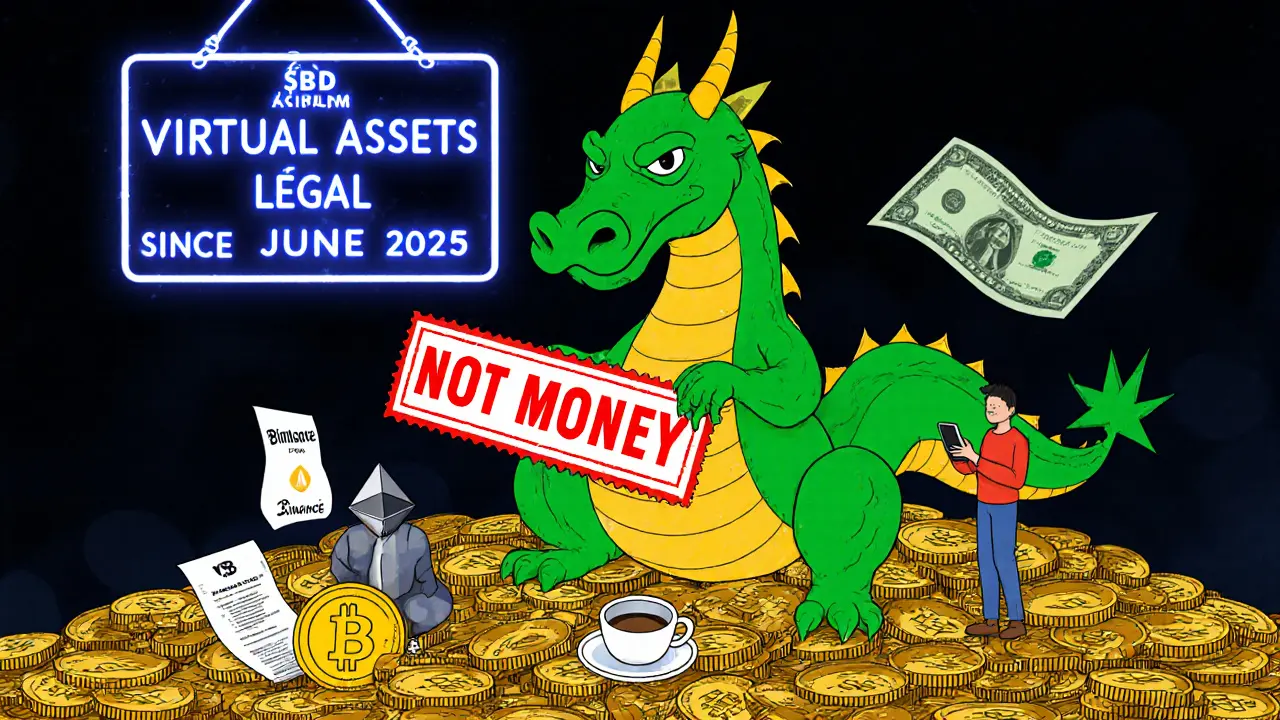
When it comes to cryptocurrency legal in Vietnam, the Vietnamese government does not recognize digital assets as legal tender but also hasn’t outright banned ownership or trading. Also known as crypto regulations Vietnam, this unclear stance creates a landscape where people trade coins daily but still walk a legal tightrope. Unlike countries that fully embrace crypto or shut it down completely, Vietnam sits in the middle—allowing private transactions while blocking banks from touching it. This means you can buy Bitcoin on Binance or hold Ethereum in a wallet, but you can’t use it to pay for groceries, rent, or even a coffee at a local shop.
The Vietnam crypto regulations, as of 2025, are still evolving under the State Bank of Vietnam and the Ministry of Finance. Also known as crypto legal framework Vietnam, they focus on preventing money laundering and protecting consumers—not promoting innovation. Exchanges operating in Vietnam must be foreign-based, and local platforms are banned. That’s why most Vietnamese traders use international exchanges like Binance, KuCoin, or Bybit. But here’s the catch: if your account gets flagged, or if you’re caught using a VPN to bypass restrictions, you could face fines or even account freezes. It’s not illegal to own crypto, but it’s risky to make it visible. Tax rules are even murkier. There’s no official crypto tax law yet, but the government has signaled it’s working on one. If they start taxing gains, you’ll need records—something most traders don’t keep because they’re afraid of drawing attention.
What about mining? That’s another gray zone. While the government hasn’t said it’s illegal, they’ve warned against it because of high electricity use. Some people still mine in basements or small farms, but they do it quietly. The real danger isn’t the law—it’s the scams. Fake exchanges like crypto exchange Vietnam, platforms pretending to be local services but designed to steal funds. Also known as Vietnam crypto scams, these pop up every few months, often promising high returns or free tokens. One look at the reviews, and you’ll see the same pattern: users deposit, then the site vanishes. That’s why most serious traders stick to well-known platforms and never share private keys.
So what can you actually do? If you’re in Vietnam, you can buy, hold, and trade crypto—but keep it low-key. Use a hardware wallet. Don’t link your bank account directly. Avoid platforms that ask for your ID unless they’re globally trusted. And don’t trust anyone who says they can get you a "legal" Vietnamese crypto exchange—they’re lying. The truth is simple: crypto in Vietnam isn’t illegal, but it’s not protected either. You’re on your own.
Below, you’ll find real reviews, scam alerts, and practical guides from traders who’ve been through it. No theory. No guesswork. Just what works—and what gets you in trouble—in Vietnam right now.