Cryptocurrency Volatility: What Causes It and How to Survive the Ride
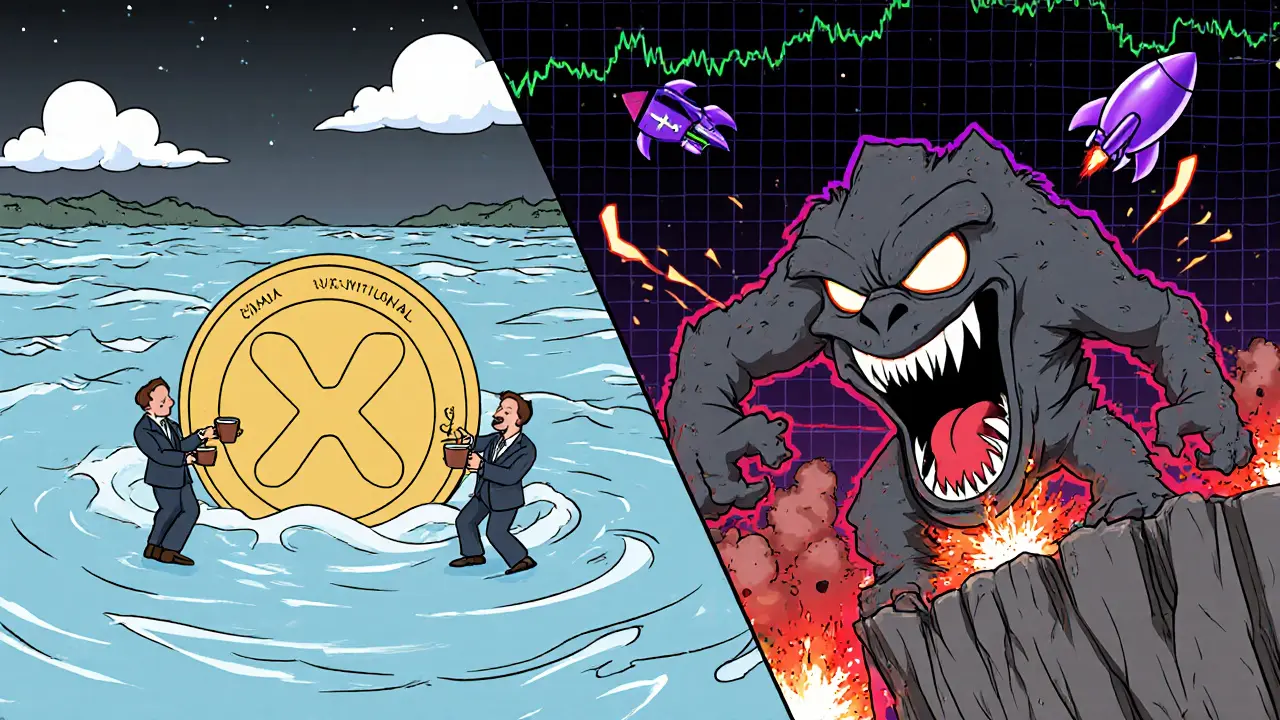
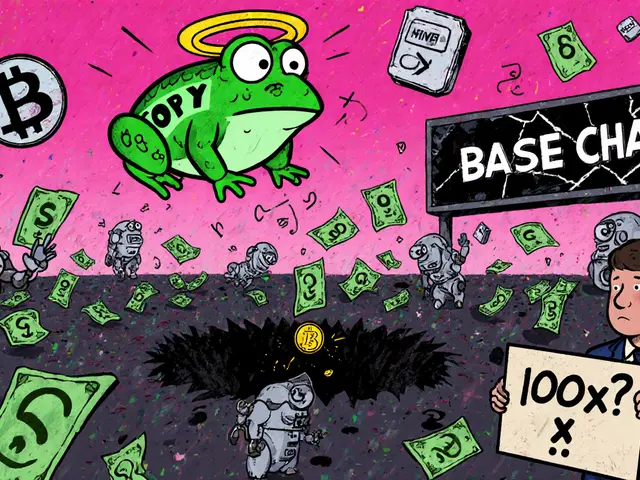
When you buy cryptocurrency volatility, the rapid and often unpredictable price swings that define digital asset markets. Also known as crypto price swings, it's not a bug—it's the system. Unlike stocks or bonds, crypto markets operate 24/7, with no central authority to calm panic or stabilize prices. This means news, tweets, or even a single large sell order can send a coin plunging—or skyrocketing—in minutes. That’s why you see projects like Pepes Dog (ZEUS), a meme coin with zero utility and a 420-trillion supply jumping 300% one day and vanishing the next. Or why Flowmatic ($FM), a DeFi token built on Solana collapsed after its liquidity dried up overnight. Volatility isn’t random; it’s fueled by low liquidity, hype cycles, and traders reacting to global events faster than any bank ever could.
Some of the biggest losses in crypto don’t come from hacks—they come from misunderstanding volatility. Take the BinaryX (BNX) token swap, a forced upgrade to FORM in March 2025. Many holders thought it was an airdrop and missed the deadline, losing their entire position. Others bought TajCoin (TAJ), a coin with no exchange listings or team because its price jumped 50% in a day, only to find it had zero trading volume the next. Volatility rewards those who understand timing, not just trends. It’s why platforms like Ref Finance (REF), a low-fee DeFi swap on NEAR Protocol matter—they let you move fast when the market shifts, without getting crushed by fees.
And it’s not just about coins. Countries shape volatility too. When Vietnam, legalized crypto as virtual assets but banned stablecoins, prices of local trading pairs spiked and crashed within hours. In Nigeria, where enforcement of crypto rules is inconsistent, traders saw sudden exchange outages that wiped out open orders. Even HM Treasury’s 2025 crypto regulations, bringing exchanges under FCA oversight sent ripple effects through UK-based traders. Volatility doesn’t live in charts—it lives in policy, perception, and panic.
Below, you’ll find real stories from 2025: scams disguised as opportunities, failed projects that vanished, and exchanges that worked—because they understood how to handle the noise. You’ll see how people lost money chasing swings, and how others used them to survive. No fluff. No theory. Just what happened, why it mattered, and what you can do differently next time.