Benefits and Limitations of DAOs in 2025
DAOs offer transparency, global access, and automation but struggle with slow decisions, low voter turnout, and legal uncertainty. Learn the real benefits and risks in 2025.
When you hear DAO, a decentralized autonomous organization that runs on blockchain rules without central managers. Also known as decentralized organization, it’s supposed to let anyone vote on decisions, from spending funds to hiring developers. But in practice, most DAO projects struggle to get past the hype. They’re built on the idea that collective wisdom beats top-down control—but reality doesn’t always follow that logic.
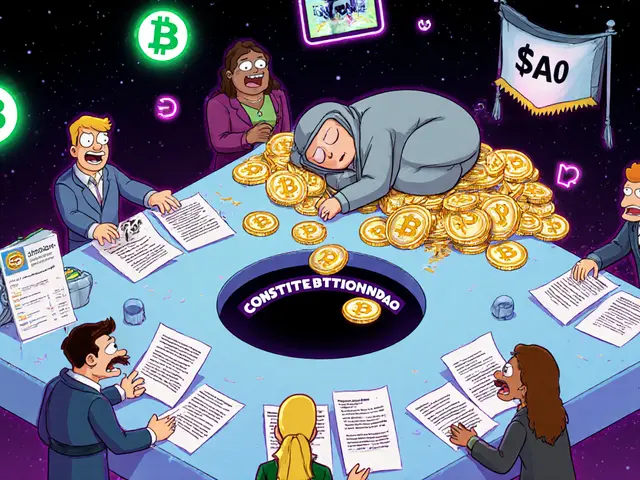
One big problem is blockchain governance, the system of rules and voting mechanisms that decide how a DAO operates. Many DAOs give voting power based on how many tokens you hold. That sounds fair, but it often means a few big wallets control everything. You don’t need a CEO if one person owns 40% of the votes. Then there’s the speed issue: waiting for 7-day votes on every minor update kills momentum. Real teams need to move fast, but DAOs get stuck in endless polls. Even simple changes—like fixing a bug or updating a website—can take weeks because everyone has to weigh in.
And then there’s the legal gray zone, the unclear status of DAOs under real-world laws. Are they companies? Partnerships? Unincorporated groups? No one knows. That’s why some DAOs get shut down by regulators, or founders get sued because they didn’t structure things right. In places like the U.S. or EU, you can’t just say "it’s decentralized" and avoid taxes or liability. Courts are starting to treat DAOs like businesses—and if you’re running one, you might be personally on the hook.
What’s worse? Many DAOs are just token distributions with a fancy voting interface. No real product. No team. No roadmap. Just a contract and a Discord channel. That’s why so many collapse after the initial hype dies. The posts below show real examples: failed projects, abandoned votes, token swaps that erased community trust, and exchanges that pretended to be DAOs to attract investors. You’ll see how some DAOs tried to fix these issues—and why most still fail. This isn’t theory. These are the mistakes people made with real money.
10 March
DAOs offer transparency, global access, and automation but struggle with slow decisions, low voter turnout, and legal uncertainty. Learn the real benefits and risks in 2025.