Defunct DEX: What Happened to Dead Decentralized Exchanges and Why They Failed
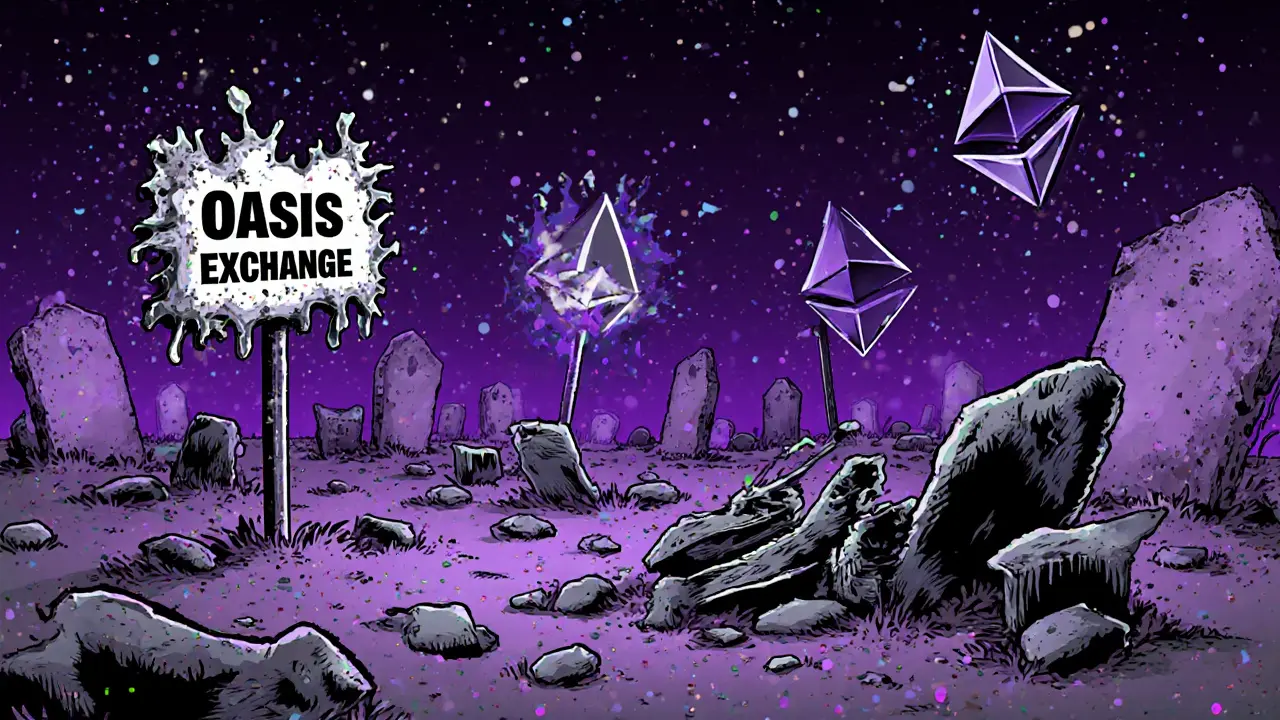
When a defunct DEX, a decentralized exchange that stopped operating with no active trading, liquidity, or development. Also known as a dead DEX, it’s not just offline—it’s abandoned, unmaintained, and often stripped of all value. These aren’t just slow platforms. They’re digital ghosts. You’ll find them in old blog posts, forgotten Twitter threads, or worse—still listed on some crypto tracker with a $0 price and zero volume. They used to promise lower fees, better privacy, or faster swaps. But most never got past the hype. Why? Because they didn’t solve a real problem. They just copied Uniswap and hoped users would come.
A defunct DEX, a decentralized exchange that stopped operating with no active trading, liquidity, or development. Also known as a dead DEX, it’s not just offline—it’s abandoned, unmaintained, and often stripped of all value. doesn’t die from a single mistake. It dies from a chain of small failures: no liquidity providers, no team updates, no marketing, no community. Take OpenSwap on Harmony, a DEX built on the Harmony blockchain that once offered low fees and token rewards. Also known as OpenSwap Harmony, it’s now a shell with no trades and no developers. Or SushiSwap on Arbitrum Nova, a version of SushiSwap launched on a low-traffic layer-2 chain with almost no users. Also known as Arbitrum Nova DEX, it had fees under a penny—but zero reason to use it. These weren’t scams. They were experiments that never found an audience. And when the initial hype faded, so did the users.
What’s worse, many defunct DEX, a decentralized exchange that stopped operating with no active trading, liquidity, or development. Also known as a dead DEX, it’s not just offline—it’s abandoned, unmaintained, and often stripped of all value. still show up in search results or airdrop lists. People get tricked into connecting wallets, thinking they’ll claim tokens. Instead, they find empty contracts. Some even lose funds trying to withdraw from platforms like KCCSwap, a platform falsely advertised as having an active airdrop on KuCoin Community Chain. Also known as KCCSwap airdrop, which had no official token or trading. These aren’t just dead—they’re dangerous.
Behind every failed DEX is a pattern: no real utility, no team transparency, no long-term plan. The ones that survived—like Uniswap or PancakeSwap—kept adding features, listening to users, and keeping liquidity flowing. The rest? They launched, got a little traction, then vanished into the blockchain ether. You’ll find their stories in posts about Flowmatic ($FM), a Solana-based DeFi token that promised better trading tools but collapsed from zero adoption. Also known as FM token, it’s now a textbook case of a failed project, or Project Quantum (QBIT), a gaming token tied to a game that was never built. Also known as QBIT crypto, it’s a placeholder with no product. These aren’t anomalies. They’re the norm.
What you’ll find here isn’t just a list of dead platforms. It’s a map of what goes wrong—so you don’t get burned by the next one. From Koinex’s shutdown after India’s ban to OpenSwap’s quiet fade, these posts show you how to spot the warning signs before you invest time, money, or trust. No fluff. No hype. Just what happened, why it mattered, and how to protect yourself next time.