Ethereum Volatility: What Causes It and How It Affects Your Trades
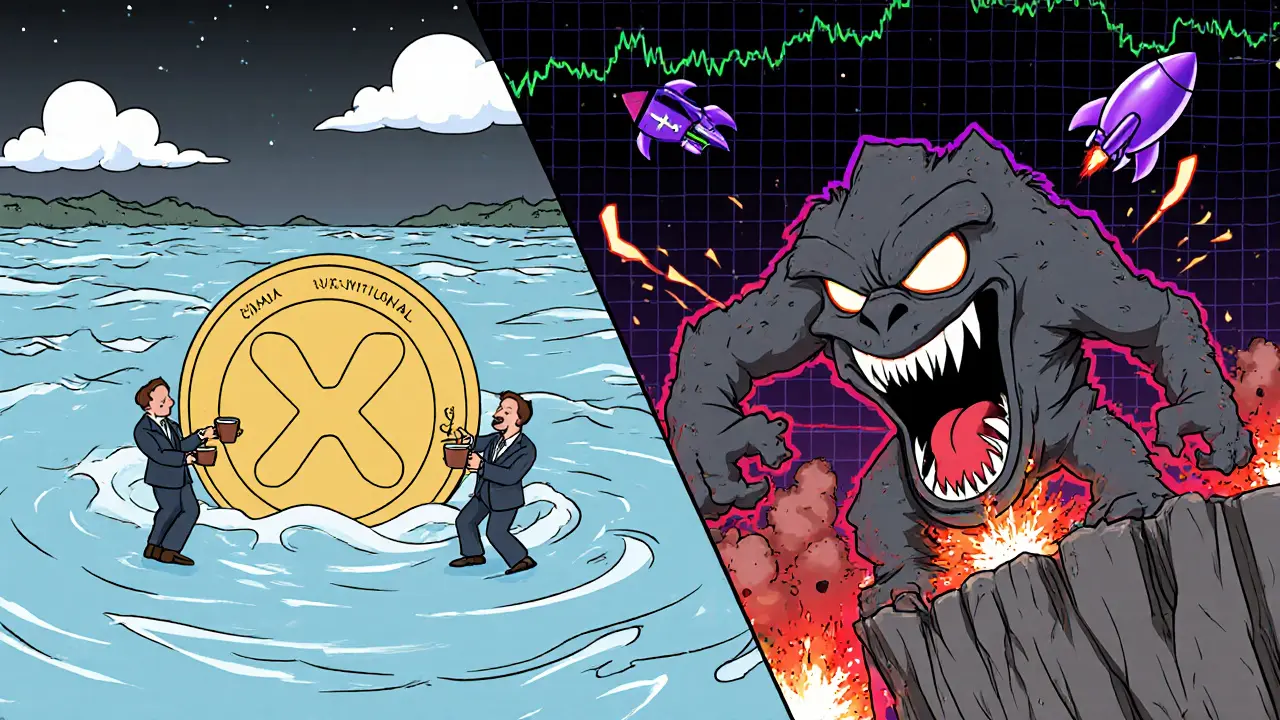
When you buy Ethereum, a decentralized blockchain platform that powers smart contracts and decentralized applications. Also known as ETH, it's the second-largest cryptocurrency by market cap and the backbone of most DeFi projects. you're not just betting on price—you're betting on its ability to handle sudden, massive shifts in demand, regulation, and tech updates. That’s where Ethereum volatility comes in. Unlike stablecoins or low-cap tokens, Ethereum doesn’t sit still. Its price can jump 10% in an hour because of a single network upgrade, a major exchange listing, or even a tweet from Vitalik Buterin. This isn’t noise—it’s the normal rhythm of a live, global financial system.
What makes Ethereum so volatile? First, it’s tied to DeFi, a collection of financial apps built on blockchain that let you lend, borrow, and trade without banks. When users flood into platforms like Uniswap or Aave, ETH gets bought up fast. When they leave, it crashes. Second, blockchain upgrades, like the Merge or Dencun, change how Ethereum works under the hood. These aren’t minor tweaks—they’re full system overhauls that trigger panic or excitement. Third, crypto regulations, from the U.S. SEC to the UK’s FCA, directly impact how exchanges list and trade ETH. A single regulatory announcement can freeze trading or trigger a buying frenzy. And let’s not forget the meme effect—when influencers push ETH as the "next big thing," retail traders rush in, then dump it just as fast.
That’s why the posts below cover real cases: from failed DeFi tokens built on Ethereum that collapsed due to volatility, to exchanges that banned ETH trading overnight, to airdrops that vanished when ETH prices swung hard. You’ll see how traders lost money not because they were wrong—but because they didn’t account for how fast Ethereum moves. Whether you’re holding ETH long-term, trading it daily, or using DeFi apps built on it, understanding its volatility isn’t optional. It’s the key to surviving—and winning—in crypto. What you’ll find here aren’t theories. They’re real stories from people who got burned, got lucky, or figured out how to play the game.