Monero Ban EU: What It Means for Crypto Privacy and Trading in Europe
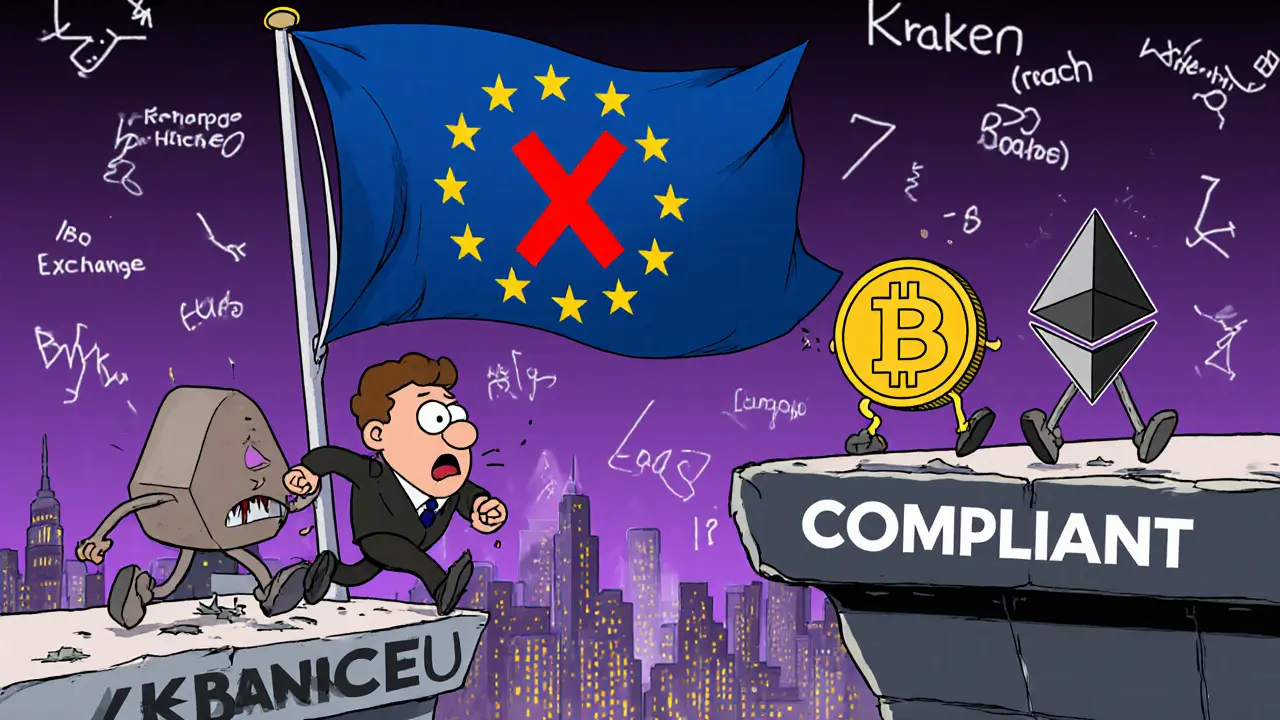
When the Monero ban EU, a proposed regulatory move to restrict privacy-focused cryptocurrencies within the European Union. Also known as crypto privacy restrictions, it targets coins like Monero that obscure transaction details by design. This isn’t just about stopping illegal activity—it’s about reshaping who can use crypto and how.
The EU doesn’t want to ban all crypto. It’s fine with Bitcoin and Ethereum because their transaction histories are public. But Monero, a privacy coin that hides sender, receiver, and amount by default breaks that model. That’s why regulators see it as a risk. They argue it enables money laundering, tax evasion, and darknet markets. But users who rely on Monero for financial privacy—journalists, activists, or even just people tired of being tracked—see it as a basic right. The EU’s stance pits financial transparency against personal freedom, and there’s no middle ground here.
What happens if the ban passes? Exchanges like Binance, Kraken, and Coinbase will have to delist Monero in EU countries. Wallets might get flagged. Even holding Monero could become legally risky if regulators start requiring KYC on every coin you own. You won’t be arrested for owning it tomorrow, but the path to trading, swapping, or cashing out will get harder. Meanwhile, EU crypto regulations, a growing set of rules that now cover stablecoins, exchanges, and now privacy coins are tightening. The MiCA law already forced many platforms to comply with strict reporting. Monero is the next target because it’s the most resistant to oversight.
This isn’t just a European issue. If the EU bans Monero, other regions will follow. The U.S. is watching closely. Asia is debating similar moves. And right now, traders in countries like Germany, France, and the Netherlands are already seeing limits on Monero deposits. Some are turning to decentralized exchanges or peer-to-peer platforms, but those come with their own risks. The real question isn’t whether Monero will disappear—it’s whether you’ll still be able to use it without jumping through legal hoops.
What you’ll find below are real stories and breakdowns from people who’ve faced these restrictions firsthand. You’ll see how Nigerian traders navigate crypto bans, how Korean exchanges adapt to local rules, and how UK and Vietnamese regulators are shaping their own paths. These aren’t theoretical debates—they’re daily realities for crypto users across the globe. The Monero ban EU is just one part of a much bigger shift. And if you’re holding privacy coins, you need to know what’s coming next.