Multigame IDO Ticket: What It Is and How It Works in 2025
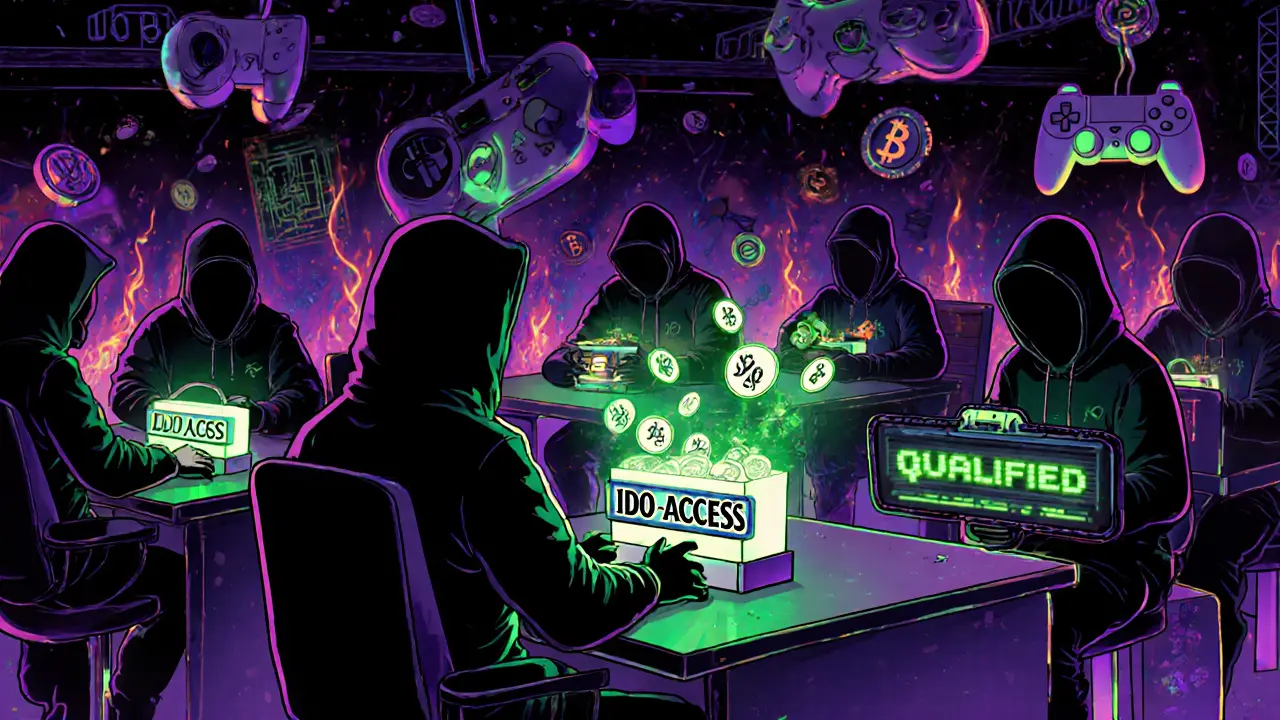
When you buy a Multigame IDO ticket, a single access pass that grants entry to multiple initial decentralized offerings for blockchain-based games. Also known as multi-game launch pass, it lets you skip the hassle of applying separately to each new game’s token sale. Instead of juggling ten different sign-ups, one ticket can unlock participation in five or more gaming projects launching their tokens at the same time.
This model grew popular because blockchain games like SoccerHub and BinaryX started bundling token access with gameplay rewards. If you hold a Multigame IDO ticket, you’re not just buying future coins—you’re getting early entry into ecosystems that might become the next big play-to-earn titles. These tickets often come with extra perks: bonus tokens, exclusive NFTs, or voting rights in governance. But they’re not free. You usually pay in ETH, BNB, or a project’s native token. And not all tickets are equal—some only work with certain exchanges or wallets, like those tied to KuCoin Community Chain or NEAR Protocol.
Think of it like a concert pass that gets you into five different shows. But here, the bands are game studios, and the tickets are coded on the blockchain. That means they’re transparent, verifiable, and sometimes tradeable on secondary markets. You might even sell your unused ticket if a game’s launch gets delayed. But beware: some projects fake Multigame IDO tickets to trick people into sending crypto. Always check the official website or verified Discord before paying. Real ones link directly to audited smart contracts, not shady Telegram groups.
These tickets connect to bigger trends too. They rely on blockchain gaming, games built on decentralized networks where players own in-game assets as tokens or NFTs. They also tie into play-to-earn, a model where players earn cryptocurrency by playing games. And they often overlap with crypto airdrop, free token distributions given to users who complete simple tasks. Many Multigame IDO ticket holders also qualify for airdrops from the same projects—making them a double win if you’re serious about getting into gaming tokens early.
What you’ll find in the posts below are real examples of how these tickets have been used—or abused. Some projects delivered on their promises. Others vanished after collecting funds. You’ll see how SoccerHub’s airdrop worked, how BinaryX forced a token swap instead of an IDO, and why KCCSwap never actually had a ticket system at all. There are no fluff guides here. Just what happened, who got left behind, and how to spot the real opportunities before the next wave of fake tickets hits.