NFT blockchain: What It Is, How It Works, and What You Need to Know
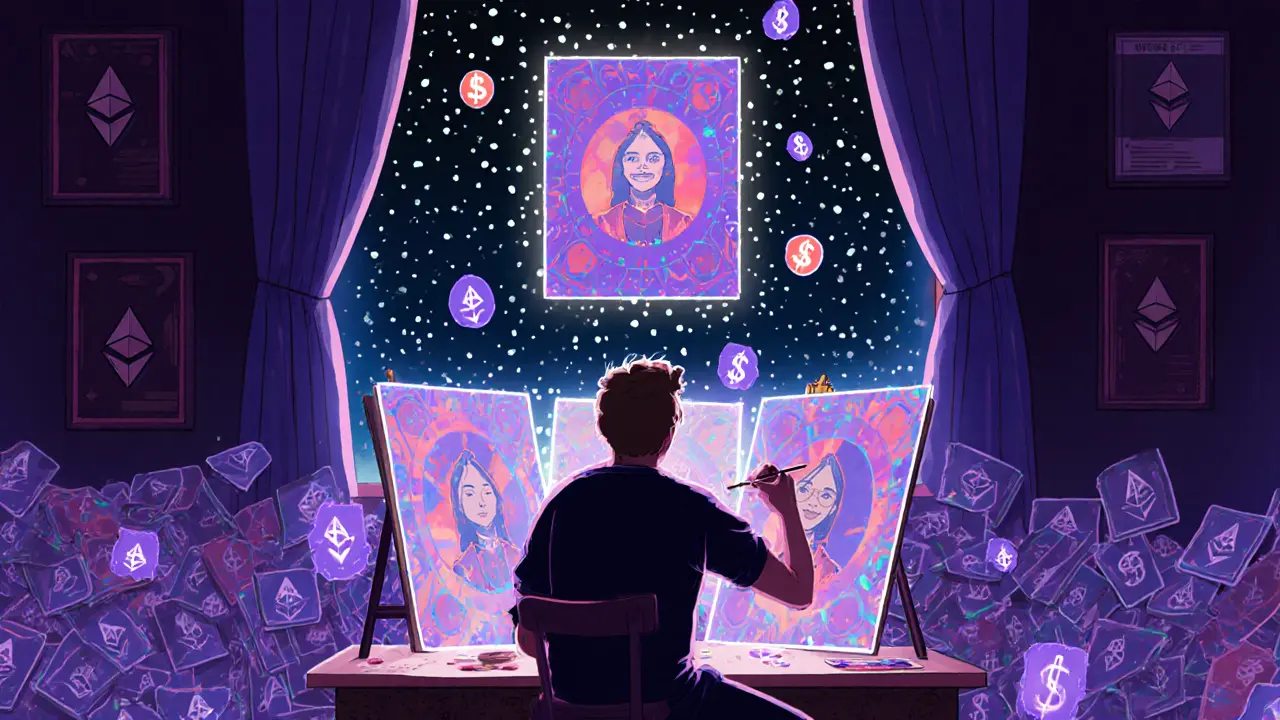
When you hear NFT blockchain, a public ledger that records unique digital assets using blockchain technology. Also known as non-fungible token blockchain, it’s the backbone of digital ownership for things like virtual land, game items, and collectible art. Unlike Bitcoin or Ethereum, which are interchangeable, NFTs are one-of-a-kind. Each one has a unique ID tied to a specific asset—no two are the same. That’s why you can own a digital artwork that no one else can copy in a verifiable way.
The blockchain gaming, video games built on decentralized networks where players truly own in-game assets space exploded because of this. Games like those using the NEAR Protocol or Solana let you buy, sell, or trade items outside the game’s official marketplace. But here’s the catch: most of these games don’t have real players. Many NFTs in gaming are just digital stickers with no utility. Projects like Project Quantum (QBIT) or MetaniaGames v2 (METANIA) promised big things but never delivered playable products. If a game’s NFT can’t be used in gameplay, it’s just a speculative token.
crypto assets, digital items with value stored on a blockchain aren’t just for games. They’re used in art, music, and even virtual real estate. But the market cleaned up hard after the 2021 hype. Many NFTs vanished when their platforms shut down—like OpenSwap on Harmony or SushiSwap on Arbitrum Nova. These weren’t failures because the tech didn’t work. They failed because no one used them. Liquidity died. Trading volume dropped to zero. And without buyers, your NFT is just a file with a fancy URL.
What’s left? Real projects with active communities. Things like Bunicorn’s BUNI airdrop or AdEx Network’s AURA tool that help users find legitimate NFT opportunities. These aren’t about flipping pixels. They’re about earning real rewards through participation. The NFT blockchain still matters—but only if it’s tied to something people actually use. If you’re looking to get involved, skip the flashy NFT drops with no utility. Focus on platforms that have trading volume, real teams, and working products. Otherwise, you’re just buying a digital receipt for nothing.
Below, you’ll find real breakdowns of NFT-related projects—some that worked, most that didn’t. You’ll see how token swaps wiped out BNX holders, how fake exchanges like CreekEx and Woof Finance stole funds, and why some airdrops like DSG or KCCSwap offer zero value. This isn’t a list of hype. It’s a list of what actually happened.