NFT Metadata Comparison: What Really Matters in 2025
When you buy an NFT, you’re not just buying an image—you’re buying a set of NFT metadata, the hidden data that defines what the NFT is, where it’s stored, and how it behaves on-chain. Also known as NFT attributes, this data includes everything from the image URL and name to traits, rarity scores, and even interactive features. Without clean, reliable metadata, your NFT could vanish, break, or become worthless overnight. Many people think owning an NFT means owning the art. But if the metadata points to a server that shuts down, or uses a format that wallets can’t read, you’re just holding a broken link.
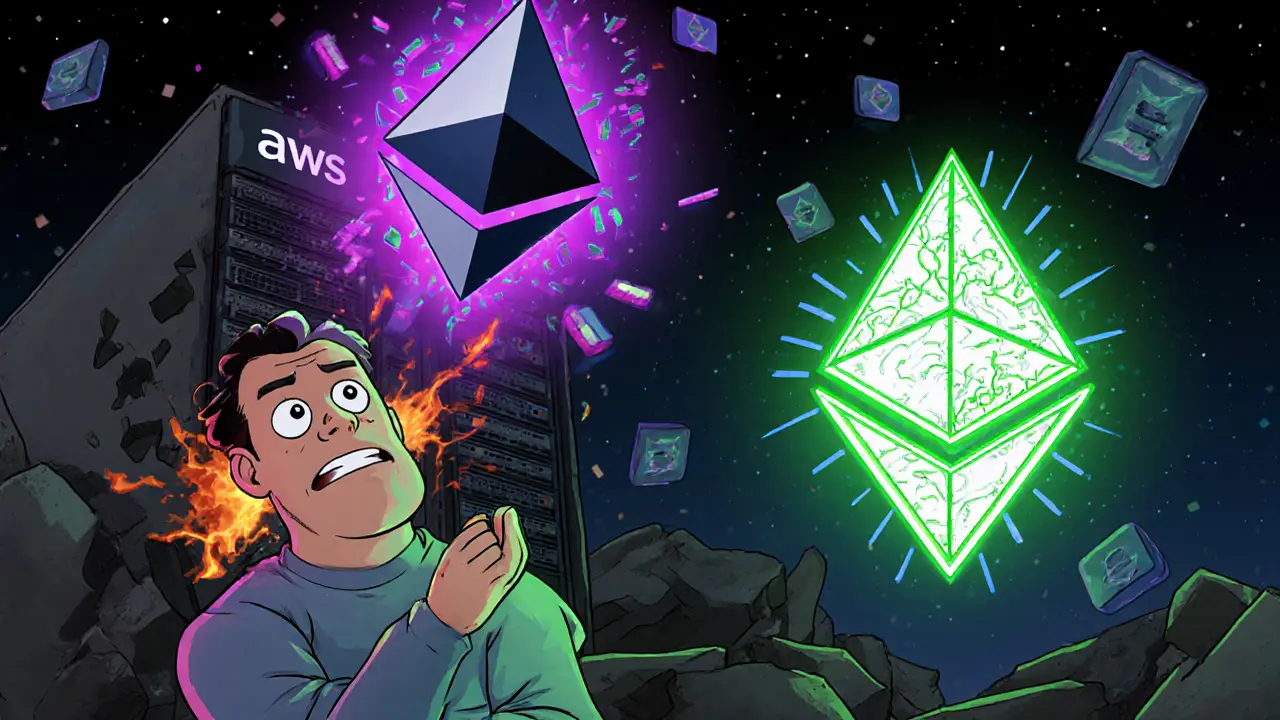
NFT standards, like ERC-721 and ERC-1155 on Ethereum, or the newer standards on Solana and Polygon, dictate how metadata is structured and where it’s stored. Also known as NFT protocols, these rules determine whether your NFT can be displayed across wallets, marketplaces, and games. Some projects store metadata directly on-chain—safe but expensive. Others use centralized servers like AWS or Cloudflare, which are fast but risky. Then there are decentralized options like IPFS and Arweave, which keep data alive even if the original team disappears. The difference isn’t just technical—it’s about survival. A Bored Ape with metadata on IPFS will outlast one relying on a startup’s server that went bankrupt last year.
NFT storage, the method used to hold the actual files behind the NFT, is where most projects fail. You can have the most beautiful art in the world, but if it’s hosted on a free hosting site that expires in 30 days, your NFT becomes a digital ghost. Projects that use Arweave pay once and store forever. Others use pinning services like Pinata, which require ongoing fees. And some—like the ones you see in scam airdrops—don’t even link to real files at all. The metadata might say "image.png," but the link leads to a 404 error. That’s not an NFT. That’s a placeholder with a price tag. When comparing NFTs, always check: Where’s the image stored? Is the metadata readable by major wallets? Does it include verifiable traits? Is the project using a decentralized system—or just hoping no one checks?
What you’ll find below are real-world examples of how NFT metadata works—or doesn’t. Some projects got it right. Others turned their NFTs into digital tombstones. You’ll see how metadata affects value, how scams hide behind fake attributes, and why the same NFT can be worth $100 on one platform and $0 on another. This isn’t theory. It’s what’s happening right now in 2025—and if you’re trading, collecting, or building NFTs, you need to know it.