Nigerian Banks and Crypto: What’s Really Happening in 2025
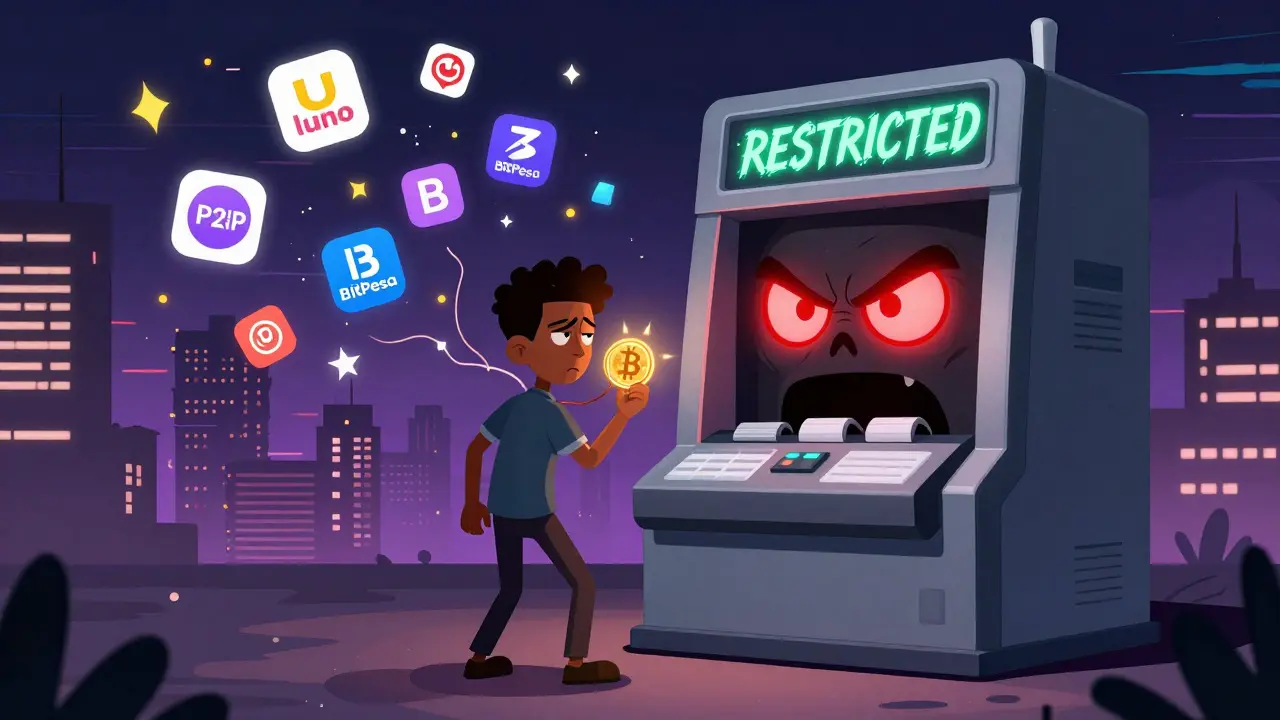
When it comes to Nigerian banks crypto, the relationship between traditional banking and cryptocurrency in Nigeria has gone from outright bans to a messy, inconsistent middle ground. Also known as crypto banking restrictions Nigeria, this tension shaped how millions of Nigerians access digital money—whether through P2P platforms, local exchanges, or hidden workarounds.
Back in 2021, the Central Bank of Nigeria shut down crypto-linked bank accounts and told financial institutions to cut off services to crypto users. That didn’t stop trading—it just pushed it underground. By 2025, the government passed the ISA 2025 Nigeria, the Investment and Securities Act update that officially recognized crypto assets as tradable property under Nigerian law. Also known as Nigerian crypto regulations, this wasn’t a full green light, but it ended the blanket ban. Now, licensed exchanges like crypto exchanges Nigeria, platforms that follow CBN and SEC guidelines and report user activity. Also known as regulated Nigerian crypto platforms, can operate legally—but only if they’re registered and verified.
Here’s the catch: most Nigerian banks still don’t want anything to do with crypto. Even if you’re trading on a licensed platform, depositing Naira or withdrawing cash often means using P2P apps like Paxful or Binance P2P. You’re not wiring money from your GTBank account to Binance—you’re meeting someone in a café with cash, or using a mobile wallet that accepts bank transfers from unlinked accounts. That’s why Nigerian traders rely on crypto trading Nigeria, a system built on peer-to-peer networks, mobile money, and informal liquidity pools. Also known as Nigerian crypto market, this unofficial infrastructure keeps the ecosystem alive despite banking resistance.
The real story isn’t about laws on paper—it’s about how people adapt. A 2024 survey by the Nigerian Blockchain Association found that over 32% of adults in Nigeria have used crypto in the past year, mostly to protect savings from inflation or send money abroad. But without direct bank integration, most still treat crypto like a side hustle, not a banking replacement. That’s why platforms like Xcalibra and Xion Finance—both mentioned in our posts—struggle to gain traction here. They’re built for global users, not the messy reality of Nigerian cash flows.
What you’ll find in these posts isn’t theory. It’s real-world breakdowns of what works, what’s fake, and who’s actually getting paid. From exchange reviews that call out scams targeting Nigerian users, to guides on how to navigate ISA 2025 compliance, these articles show you the tools, risks, and loopholes traders use every day. No fluff. No hype. Just what you need to know before you send your next Naira to a wallet.