Norway Crypto Tax: What You Need to Know in 2025
When you trade or sell cryptocurrency in Norway, a country that classifies crypto as a taxable asset rather than legal tender. Also known as Norwegian crypto regulations, this system treats digital assets like stocks or real estate—meaning you pay tax when you profit, not when you buy. Unlike the U.S. or U.K., Norway doesn’t tax crypto purchases or transfers between wallets. You only owe tax when you convert crypto to fiat, trade it for another coin, or use it to buy goods and services.
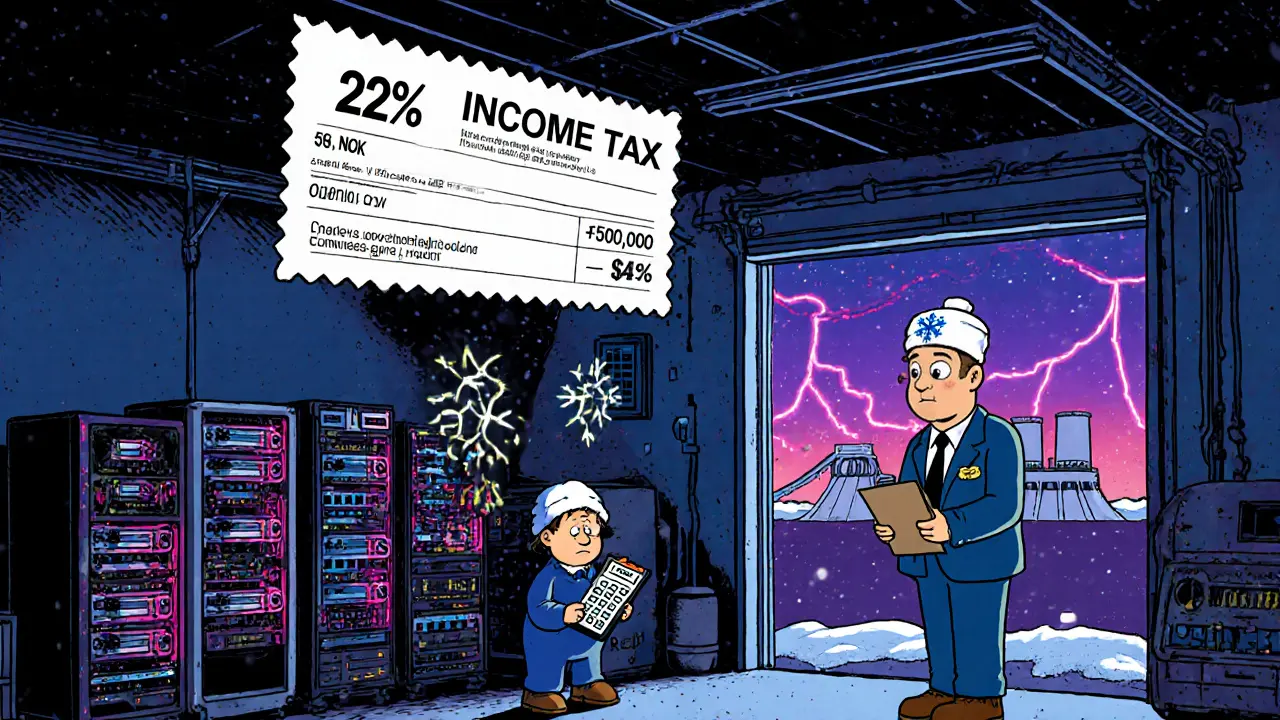
The Norwegian Tax Administration, the government body that enforces crypto reporting rules. Also known as Skatteetaten, it requires every resident to declare crypto transactions annually, even if no cash was received. If you hold crypto for less than a year and sell at a profit, it’s taxed as ordinary income—up to 38.2% depending on your bracket. If you hold longer than a year, gains are still taxable but may qualify for lower rates under capital gains rules. Losses can offset gains, but you can’t deduct them against other income. Many people miss this: even small trades, like swapping ETH for SOL, count as taxable events. You need records of every transaction—date, amount, value in NOK at the time, and purpose.
There’s no blanket exemption for DeFi, staking, or airdrops. If you earn tokens through yield farming or receive a free token from a project, the Norwegian Tax Administration values it at market price on the day you got it—and taxes it as income. That means if you got 10 $SCH tokens worth $2 each in a 2025 airdrop, you owe tax on $20, even if you never sold them. Same goes for staking rewards. No one’s checking your wallet live, but audits happen. If you’re caught underreporting, penalties can be steep.
Non-residents don’t pay Norway’s crypto tax unless they’re earning income there. But if you move to Norway and bring crypto with you, the clock starts ticking on day one. Some people try to avoid this by relocating to zero-tax countries—but Norway doesn’t let you escape easily. If you lived there for more than 183 days in a year, you’re taxed on global assets, including crypto held abroad.
What does this mean for you? Keep simple records. Use free tools to track your trades. Don’t ignore small transactions. And if you’re unsure, don’t guess—get help from someone who knows Norwegian tax law. The posts below cover real cases: how traders in Norway handle reporting, what happens when you forget to declare an airdrop, and how to legally reduce your crypto tax burden without leaving the country. You’ll find honest breakdowns of what works, what doesn’t, and what the Tax Administration actually cares about.