On-Chain NFT Metadata: What It Is, Why It Matters, and What You Can Actually Do With It
When you buy an NFT, you’re not just buying a picture—you’re buying a record on the blockchain. That record includes on-chain NFT metadata, the permanent, tamper-proof data stored directly inside the blockchain that describes what the NFT represents. Also known as on-chain attributes, this data includes things like the name, description, image link, and traits that make your NFT unique. Without it, your NFT is just a digital pointer with no meaning. Most people think NFTs are just JPEGs, but the real value lives in this hidden data layer—especially when it’s stored on-chain.
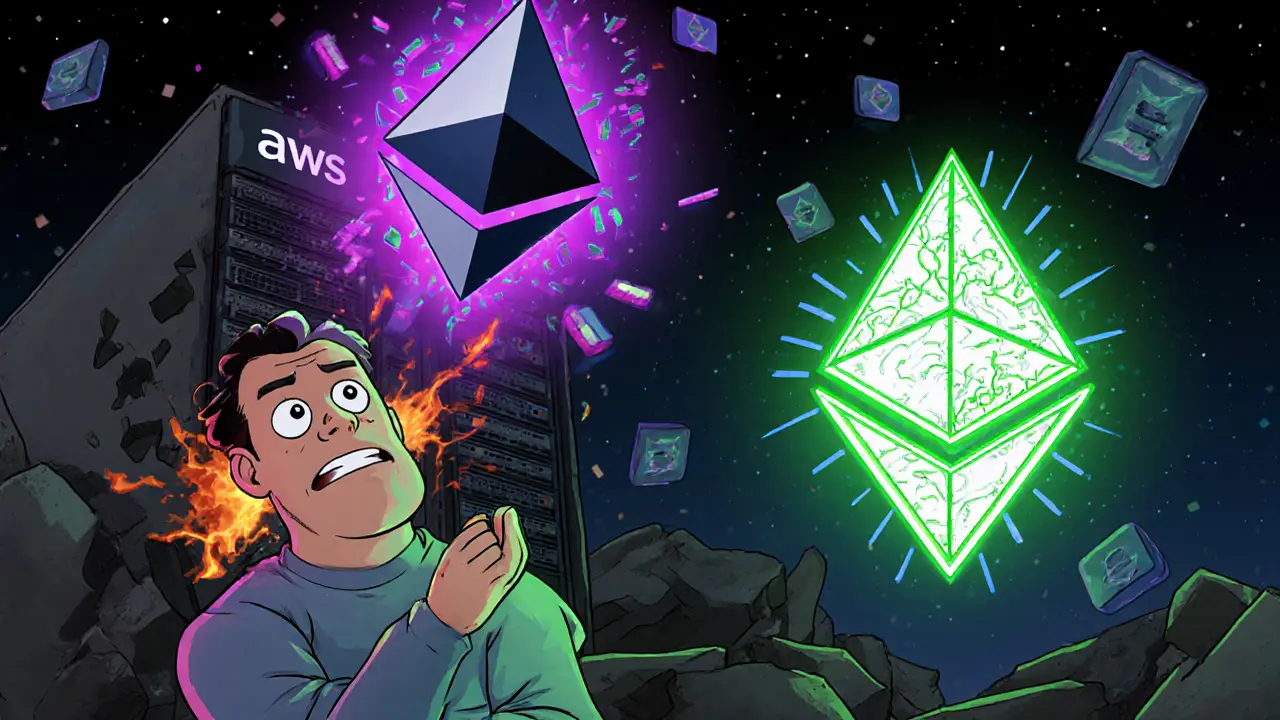
Here’s the catch: not all NFTs are built the same. Many NFTs store their metadata off-chain—in places like Amazon S3, IPFS, or centralized servers. That means if that server goes down, your NFT could disappear. On-chain metadata fixes that. It’s stored right in the transaction history of the blockchain, so it’s as permanent as Bitcoin itself. Projects like CryptoPunks and Art Blocks use on-chain metadata because they know long-term ownership matters. If you’re holding an NFT with off-chain metadata, you’re trusting a company’s server to stay up forever. With on-chain, you’re trusting math and code.
Why does this matter for you? If you’re collecting, trading, or building with NFTs, on-chain metadata gives you real control. It means your NFT’s traits, rarity, and history can’t be altered by a developer’s mistake or a company shutting down. It also lets smart contracts read your NFT’s data directly—so games, marketplaces, and DeFi apps can interact with your NFT without needing to fetch data from some random website. Think of it like having a birth certificate printed on steel instead of on a piece of paper you keep in your drawer.
But on-chain isn’t perfect. It costs more to store data on the blockchain, so you’ll see fewer complex images or videos stored this way. Most on-chain NFTs use code to generate visuals—like pixel art or algorithmic patterns—instead of uploading big files. That’s why you’ll see so many abstract or generative NFTs using this method. It’s a trade-off: less visual flexibility for total ownership security.
You’ll find plenty of NFT projects in the posts below that either use on-chain metadata or got burned by not using it. Some platforms pretend to offer "permanent" NFTs while hiding their data behind unreliable links. Others built entire games around NFTs that later vanished because the metadata wasn’t on-chain. The difference between a valuable NFT and a dead one often comes down to this one technical detail.
Whether you’re buying, selling, or just trying to understand what you own, knowing whether an NFT’s metadata is on-chain isn’t just technical—it’s financial. The posts below break down real examples: which projects got it right, which ones failed, and how to check for yourself. No jargon. No fluff. Just what you need to know before you click "buy."