Privacy Coins EU: What You Need to Know About Anonymous Crypto in Europe
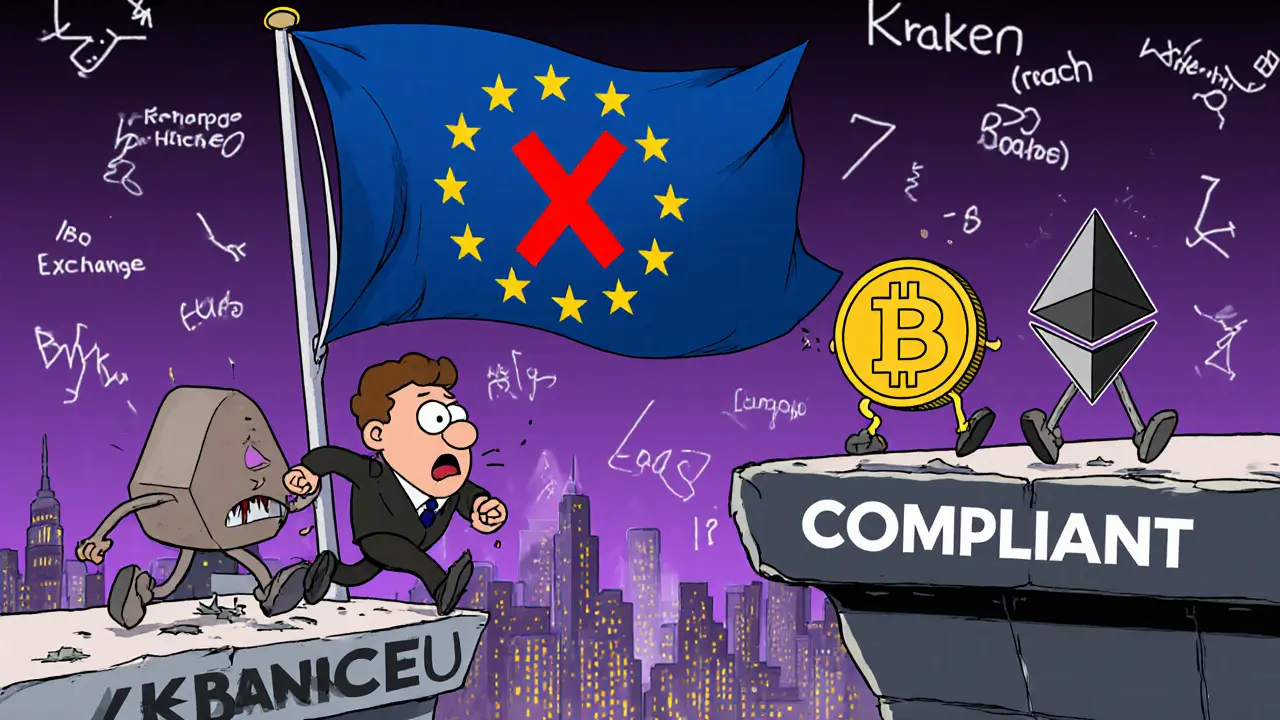
When you use a privacy coin, a cryptocurrency designed to hide transaction details like sender, receiver, and amount. Also known as anonymous coin, it lets you send value without exposing your financial history on a public ledger. In the EU, these coins aren’t illegal—but they’re heavily restricted. Banks, exchanges, and even wallet providers are forced to block them under anti-money laundering rules. That’s why you won’t find Monero or Zcash listed on Binance EU, Kraken Europe, or any major platform operating under EU oversight.
Why does this matter? Because if you’re in Germany, France, or the Netherlands and you want to keep your crypto activity private, you’re running into real-world barriers. The EU’s 6th Anti-Money Laundering Directive (AMLD6) treats privacy coins as high-risk assets. Exchanges must now collect and report user data for every transaction—even if the coin itself is built to prevent that. Monero, a privacy-focused blockchain using ring signatures and stealth addresses to obscure transaction trails is the most popular choice globally, but it’s effectively banned from EU-based platforms. Zcash, a coin that lets users choose between transparent and shielded transactions faces the same fate. Even if you buy these coins on a non-EU exchange, withdrawing them to a wallet linked to a European bank can trigger compliance flags.
Some users try to bypass this with mixers or VPNs, but those methods are risky. The EU is cracking down on mixing services too, and using them could put you on a watchlist. Meanwhile, regulators are pushing for centralized identity checks on all crypto transactions—no exceptions. That means the days of truly private crypto in Europe are fading fast. If you still want to use privacy coins, you’ll need to operate outside EU jurisdiction, use non-KYC wallets, or accept that your activity will be visible to authorities.
The posts below cover exactly what’s happening on the ground. You’ll find real reviews of exchanges that still support privacy coins (even if they’re not based in the EU), breakdowns of how EU rules affect daily trading, and warnings about scams that prey on people looking for anonymous crypto solutions. Some posts expose fake platforms pretending to offer Monero trading. Others explain how to move funds safely without triggering regulators. There’s no fluff—just what works, what doesn’t, and what’s changing in 2025.