Project Quantum: What It Is, Why It Matters, and What’s Really Happening
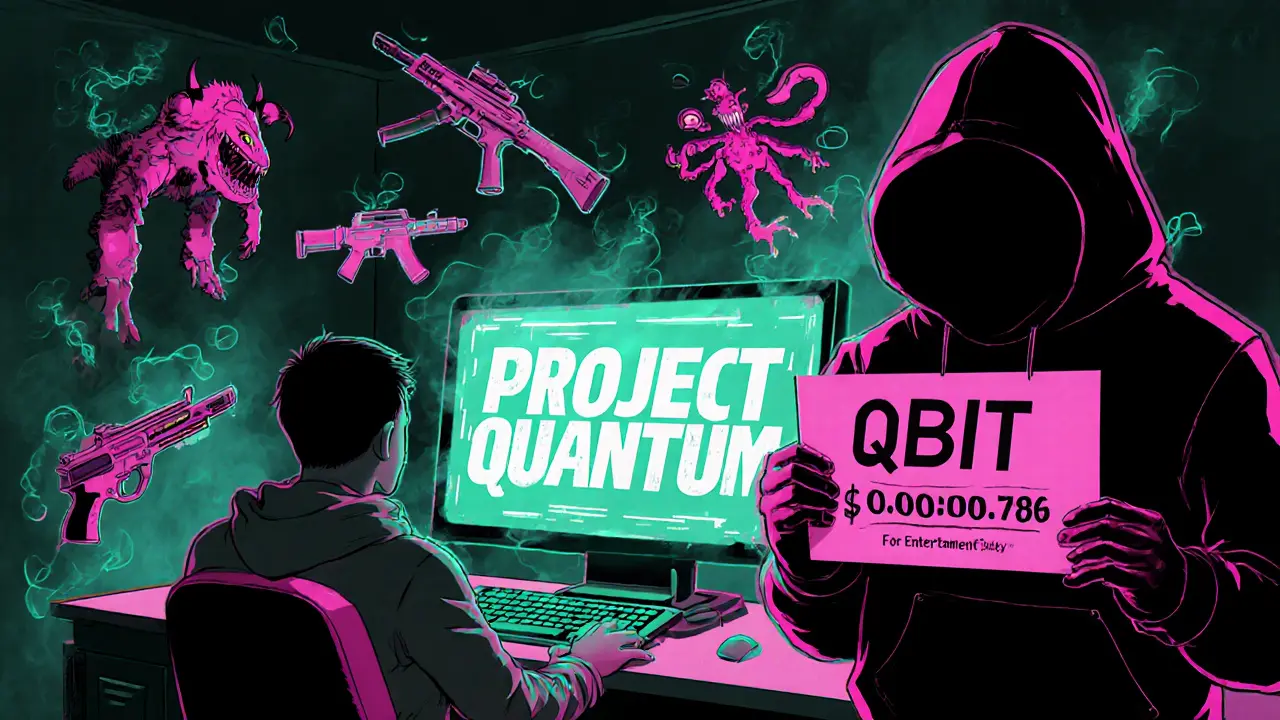
When people talk about Project Quantum, a rumored blockchain initiative tied to next-gen cryptography and decentralized finance. Also known as Quantum Chain, it’s not a coin, not a company, and not officially listed anywhere—but it keeps showing up in whispers, forums, and leaked docs. Unlike typical crypto projects with whitepapers and teams, Project Quantum feels more like a ghost in the machine: seen in screenshots, referenced in Discord threads, and rumored to be backed by anonymous developers working on quantum-resistant protocols. It’s not on CoinMarketCap. It doesn’t have a website. But people still ask: Is it real? And if so, what’s the catch?
Project Quantum relates to DeFi, a system of open financial tools built on blockchains that replace banks with code in ways most people don’t realize. If it exists, it’s likely trying to solve a problem that’s been ignored: what happens when quantum computers break today’s encryption? Bitcoin, Ethereum, and most wallets rely on elliptic curve cryptography. A powerful enough quantum computer could crack those keys in minutes. Project Quantum might be an early attempt to build a blockchain that uses post-quantum algorithms—like lattice-based or hash-based cryptography—to stay secure even in a future where quantum hacking is real. That’s not sci-fi. The NSA and NIST have been working on this since 2016. If Project Quantum is real, it’s not chasing hype—it’s chasing survival.
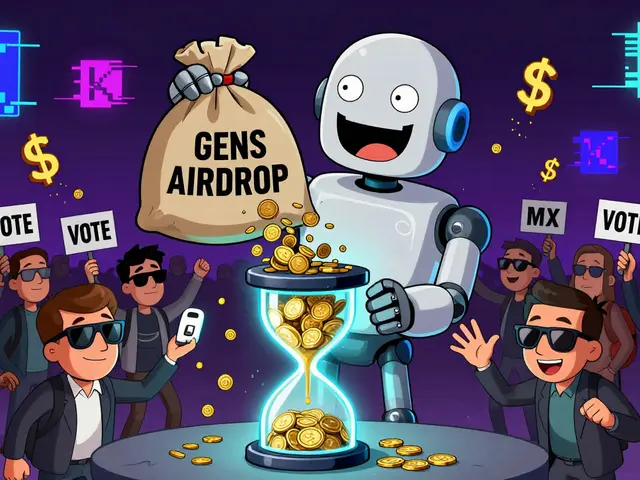
It also connects to airdrop, a distribution method where tokens are given for free to early adopters or community members culture. You’ve seen it before: a project drops tokens to wallets that held a certain coin, or participated in a testnet, or just signed up. But Project Quantum’s rumored airdrop? No one knows who’s running it. No official claim portal. No smart contract address you can verify. That’s a red flag. Most real airdrops leave a trail—on GitHub, on Twitter, on blockchain explorers. This one doesn’t. But here’s the thing: if you’re looking at Project Quantum because you want free tokens, you’re already in the wrong place. The real value isn’t in claiming a token you can’t trade—it’s in understanding why someone would build something this obscure, this risky, and this important.
What you’ll find below isn’t a list of Project Quantum tokens or fake claim sites. It’s a collection of real stories about crypto projects that looked like secrets, turned out to be scams, or vanished without a trace. You’ll read about failed DeFi tokens that promised the moon, airdrops that disappeared after launch, and exchanges that vanished with user funds. These aren’t just cautionary tales—they’re the same patterns you’ll see in any whisper about Project Quantum. If it sounds too mysterious to be real, it probably is. But if it’s real, you need to know what to look for before you jump in.