Sanctioned Countries and Crypto: What You Can and Can't Do in 2025
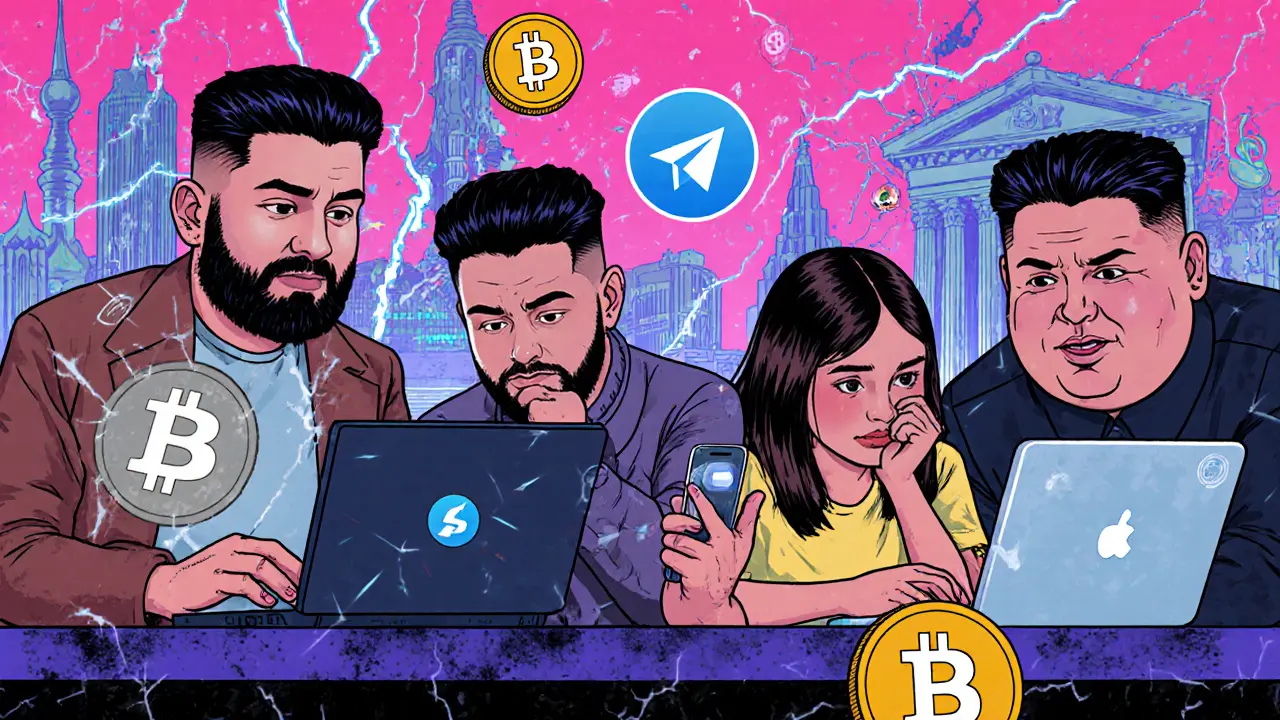
When you live in a sanctioned country, a nation under government-imposed financial restrictions by the U.S., EU, or UN. Also known as restricted jurisdiction, it means your access to global crypto platforms is often blocked, monitored, or outright banned. This isn’t about conspiracy—it’s about real laws. Countries like Venezuela, Iran, North Korea, and Syria face strict sanctions that directly impact how people buy, sell, or hold Bitcoin and other tokens. Even if you’re just trying to send money to family or avoid inflation, the system treats your crypto activity as a potential violation.
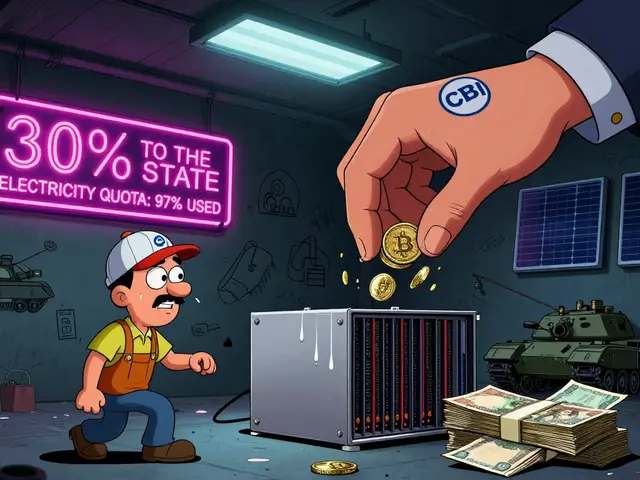
But here’s the twist: crypto isn’t always blocked because it’s illegal—it’s blocked because governments can’t control it. In Venezuela, a country where the national currency collapsed and the state now demands miners join a government-run pool, people still trade crypto to survive. Meanwhile, in Nigeria, where the central bank once banned banks from serving crypto firms but lifted the ban in 2025 with messy new rules, traders use VPNs to access Binance and Kraken. And in Vietnam, where crypto is legal as a virtual asset but no exchange is licensed and stablecoins are banned, people trade peer-to-peer with cash. These aren’t loopholes—they’re adaptations.
What you’ll find in the posts below aren’t generic warnings. They’re real stories from people who’ve navigated these systems. You’ll see how a Nigerian trader uses ISA 2025 rules to stay compliant, how a Venezuelan miner gets paid in crypto after months of delays, and why a Vietnamese user can’t use USDT even though they’re trading daily. You’ll also learn about scams targeting these communities—fake exchanges like CreekEx and Woof Finance that promise access but steal funds. And you’ll see how tools like VPNs and decentralized exchanges become lifelines, not just tech tricks.
This isn’t about avoiding rules. It’s about understanding them—so you don’t lose your money, your access, or your freedom. Whether you’re in a sanctioned country or just curious how crypto survives under pressure, the truth is simpler than you think: people find ways. The question is, are you ready to do it safely?