SEC Nigeria Crypto: Regulations, Risks, and What Traders Need to Know
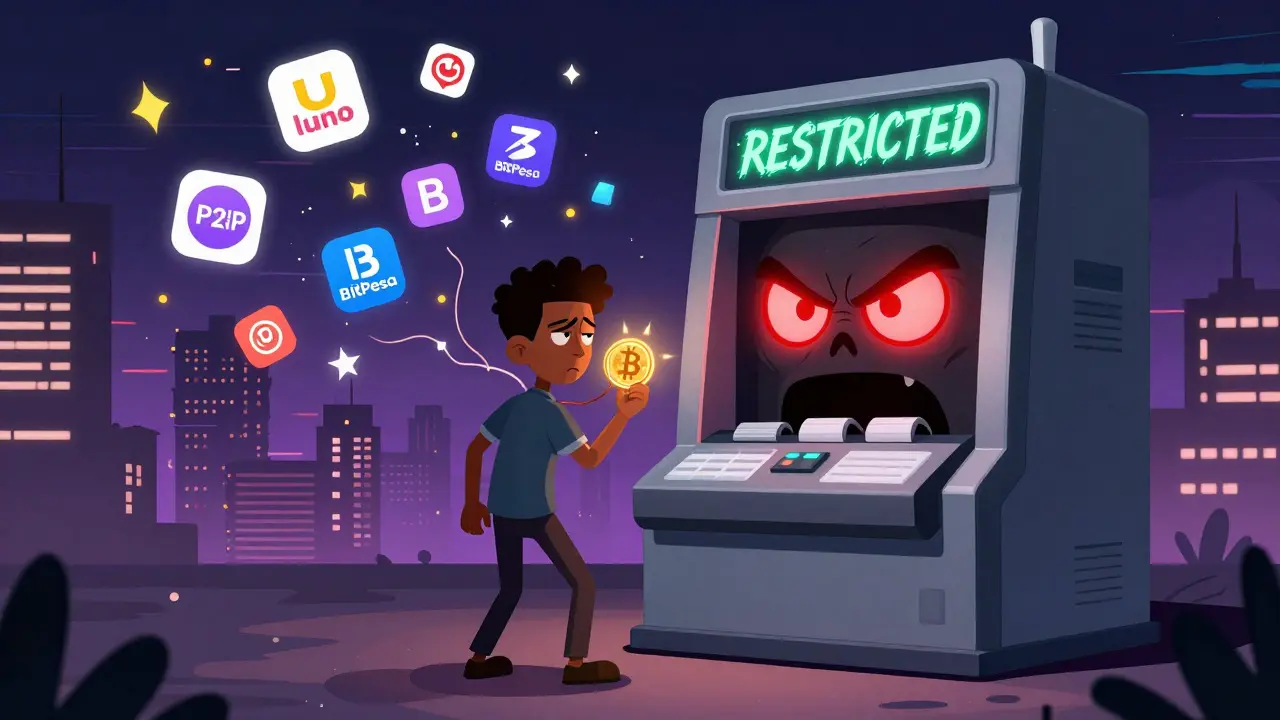
When it comes to SEC Nigeria crypto, the Securities and Exchange Commission of Nigeria’s official stance on digital assets and trading platforms. Also known as Nigerian crypto regulators, it has shifted from outright bans to a patchwork of licensing rules. In 2025, Nigeria lifted its formal crypto ban—but enforcement is still messy. Traders aren’t waiting for perfect laws. They’re navigating gray zones, fake exchanges, and sudden crackdowns. The SEC Nigeria crypto team doesn’t have a public list of approved platforms. Instead, they issue warnings. And those warnings? They’re often the only real signal you get before a platform vanishes with your money.
One major related entity is crypto exchange Nigeria, local and international platforms that serve Nigerian users under unclear legal status. Some, like Xcalibra, claim to be pursuing Swiss licenses to stay compliant. Others, like BTX Pro and Armoney, are outright scams that prey on people who don’t know the difference between a real exchange and a phishing site. Then there’s the issue of SEC Nigeria enforcement, the inconsistent application of rules that often targets small traders while big players slip through. You’ll see this in the posts below: a token gets flagged, users panic, and the SEC releases a vague statement. No fines. No arrests. Just confusion.
What ties all this together is the Nigerian crypto regulations, the evolving legal framework under the Investment and Securities Act (ISA) 2025. It says crypto is a financial asset—but only if you’re licensed. Problem is, no major exchange has a full license yet. So traders use offshore platforms, peer-to-peer apps, or unregulated DEXs. And when things go wrong? The SEC steps in—not to protect you, but to warn you. That’s the reality. You’re on your own unless you know the signs: no customer support, no public team, no trading volume. Those are red flags, not features.
Below, you’ll find real case studies: the XGT airdrop that never happened, the DMC airdrop that’s still vaporware, and the BTX Pro scam that stole thousands. You’ll see how Nigerian traders got burned by fake platforms pretending to be licensed. You’ll learn how to spot a scam before you deposit a naira. And you’ll find out which exchanges are actually trying to comply—and which ones are just waiting for the next crackdown to disappear.