SEC Philippines: Crypto Regulations, Enforcement, and What Traders Need to Know
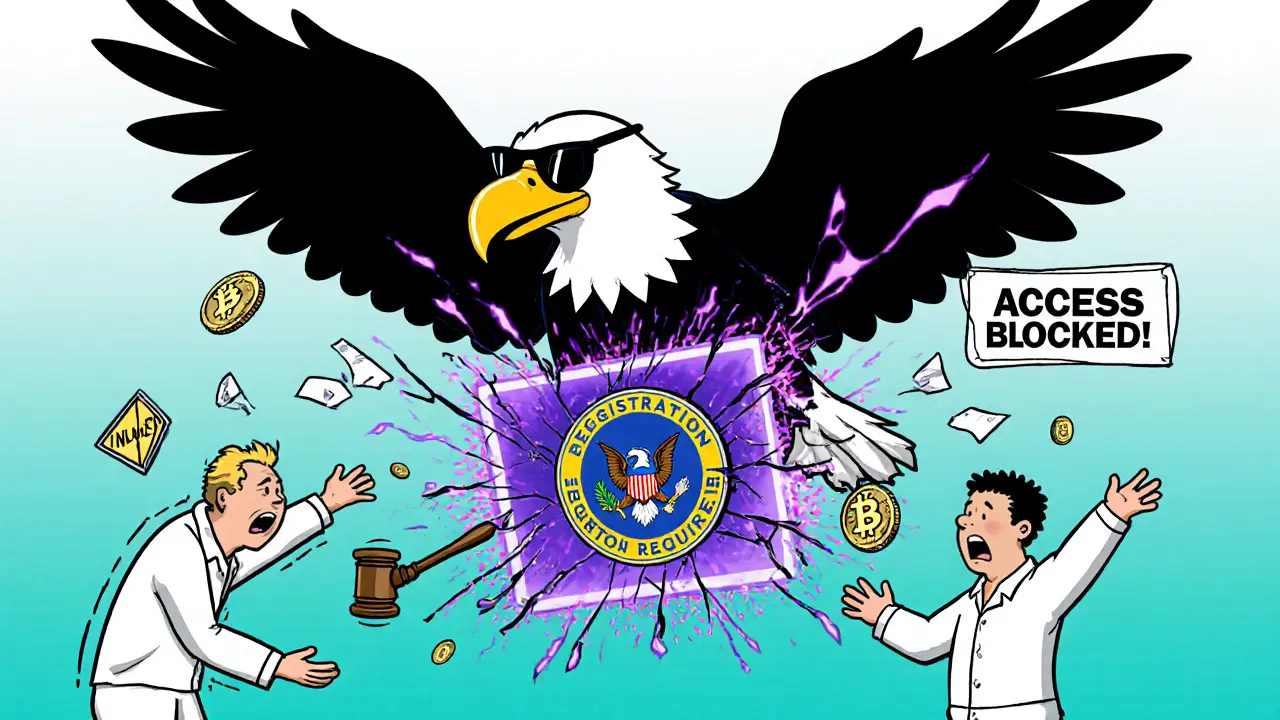
When it comes to SEC Philippines, the Securities and Exchange Commission of the Philippines, the government body responsible for overseeing financial markets including digital assets. Also known as Philippine SEC, it’s the main authority deciding what crypto projects can operate legally in the country. Since 2023, the SEC has moved from outright bans to a licensing framework, but enforcement remains patchy. Many traders still use offshore exchanges, unsure if they’re breaking the law—or just navigating a gray zone.
The crypto regulations Philippines, the set of rules issued by the SEC Philippines to classify, license, and monitor digital asset service providers require exchanges to prove they have local bank accounts, KYC systems, and anti-money laundering protocols. Only a handful of platforms like Coins.ph and Binance PH have cleared the process. Meanwhile, SEC crypto oversight, the active monitoring of token sales, staking services, and DeFi platforms by the Philippine SEC has led to warnings against unregistered projects like DSG and QBIT—many of which appear in your feed as "airdrops" but lack legal standing.
What’s missing? Clear rules on personal trading. The SEC doesn’t ban individuals from buying Bitcoin or Ethereum, but it doesn’t protect them either. If you lose money on a scam token promoted on Telegram, you’re on your own. That’s why so many Filipinos use VPNs to access Binance or KuCoin—just like Bangladeshis and Nigerians. The Philippine crypto laws, the legal framework governing virtual assets under the SEC Philippines, including licensing, taxation, and consumer protection are still evolving, and enforcement lags behind adoption. Retail traders are caught in the middle: eager to participate in DeFi, airdrops, and play-to-earn games, but unsure if their next trade could land them in legal trouble.
Below, you’ll find real reviews of exchanges that work in the Philippines, breakdowns of token scams disguised as opportunities, and updates on what the SEC is actually doing—versus what’s just hype. No fluff. No guesswork. Just what you need to trade safely under the current rules.