XGT Airdrop: What It Is, Who Got It, and Why It Matters
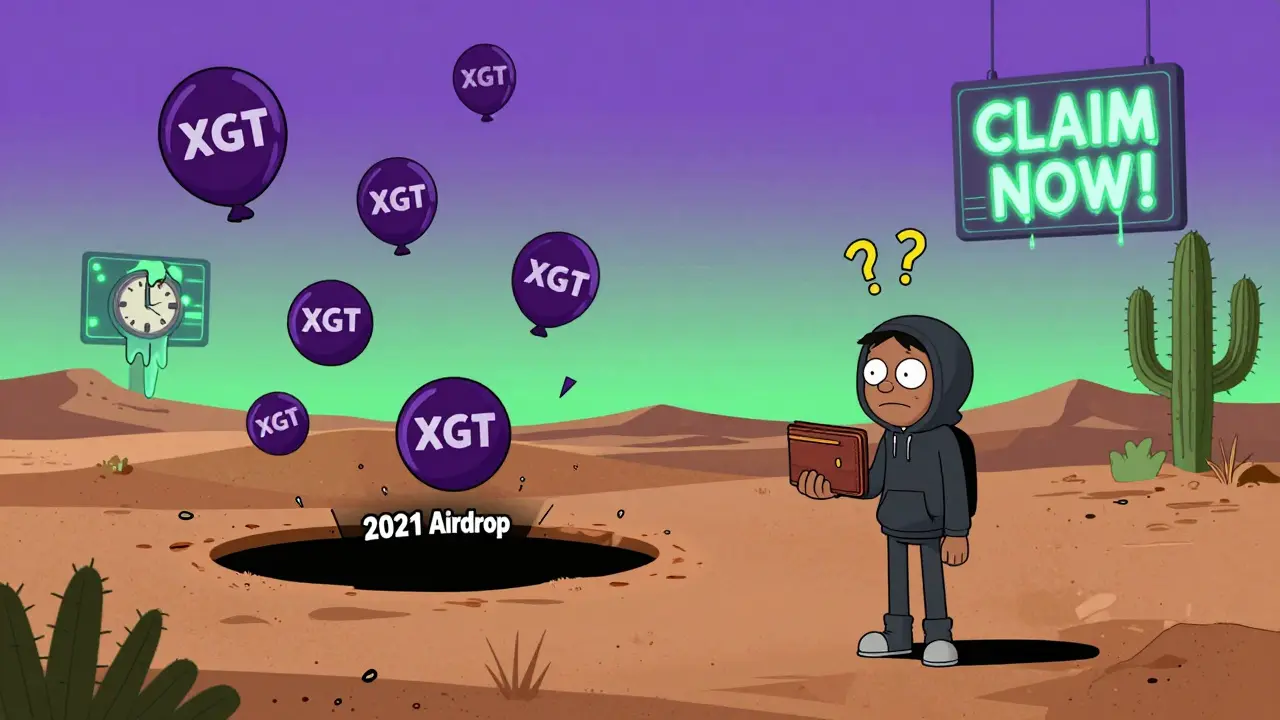
When you hear XGT airdrop, a distribution of free XGT tokens to wallet holders as a reward for early support or participation. It's not a giveaway—it's a strategic move to bootstrap adoption on a blockchain network. The XGT airdrop happened in 2024, targeting users who held specific tokens, interacted with the project’s testnet, or joined its community before launch. Unlike fake airdrops that vanish after collecting emails, this one was tied to real on-chain activity and verified wallet addresses.
XGT token, the native currency of the XG Network, built for decentralized identity and secure data sharing. It’s not a meme coin or a speculative gamble—it’s designed to power a real-world use case: letting users own and control their digital identity without relying on big tech. The airdrop was one of the first ways people could get access to XGT without buying it. Related to this are crypto airdrop, a distribution method used by blockchain projects to reward early adopters and build community, and blockchain rewards, incentives given to users for contributing to network growth, security, or testing. These aren’t just buzzwords—they’re the backbone of how new projects gain traction without venture capital. The XGT airdrop didn’t ask for your private key. It didn’t require you to send crypto first. It used smart contracts to automatically send tokens to wallets that met the criteria. That’s what separates real airdrops from scams. You can’t fake on-chain proof.
People who got XGT didn’t just win free tokens—they got early access to a network that’s still growing. Some used their tokens to stake, others traded them on decentralized exchanges, and a few joined governance votes to shape the project’s future. That’s the real value: being part of something before it’s mainstream. The posts below cover what happened after the airdrop, who benefited most, how to spot fake claims, and what other token distributions like this look like in 2025. You’ll find real examples, not hype. No fluff. Just what worked, what didn’t, and how to avoid getting burned next time.